When transfers go wrong

Why has my transfer failed?
Paysend makes it easy to send money across borders.
But sometimes transfers don’t go smoothly. Failed transfers and delays across the payment chain can be frustrating when you’re in a rush to move your money.
Nobody likes waiting around for funds to arrive so we’re going to take a look at some of the things that could be causing the holdup.
Human error
Accidentally entering incorrect card or bank account details can mean that your transfer won’t work, or goes to the wrong person. If you’ve used the wrong account details, then your best bet is to contact your own bank asap and explain the situation, as Paysend can’t provide any guarantees in these circumstances.
Sometimes it’s worth trying a test transfer of a small amount to check that you’ve got the right de-tails.
That’s why we always ask you to double check that the account name, numbers and card details before you hit send - it’ll save you stress when you’re sending money to friends and family.
Bank holdups
Bank holdups can happen at both ends even if the account or card details are correct. Sometimes the sending bank will cancel your transfer without notifying you. If you think this might have happened, the best approach is to contact your bank to ask for evidence that they have made the transfer. Sometimes the payment can be held up at the recipient’s end because their bank won’t accept the funds. When this occurs, the account holder will have to contact their bank.
Other common causes for failed payments are insufficient funds in your account or trying to send money with an expired debit card. In these cases, try the transfer again with sufficient funds and a valid card.
Exceeding transfer limits
Going over your transfer limits can cause your payment to fail. If you’re regularly sending funds abroad then it’s possible you’ve exceeded your transfer limits. If you’re not sure what your limits are, login to your account and you’ll be able to see your current transfer limits at the top of the page. In some cases transactions can go wrong because there are limits on how much can be debited to the recipient’s bank or card account.
If you’re regularly sending money abroad and need to increase your transfer limits, Paysend can increase them for you. All you need to do is provide supporting documents (such as ID and proof of address) and we’ll be able to update your account.
When transactions are blocked by our internal system
Paysend has a dedicated anti-fraud team working round the clock to keep your money safe. Sometimes our automated systems will pick up on irregularities and block a transaction. When this happens, the user will be suspended while we investigate. If this has happened to your account, then the best thing to do is get in touch with our customer support team to find out more.
Happy to help
Paysend has a dedicated support team working around the clock to help you out with your transfers. If you’re having issues with a payment, get in touch and they’ll be happy to answer any questions.
Latest Posts
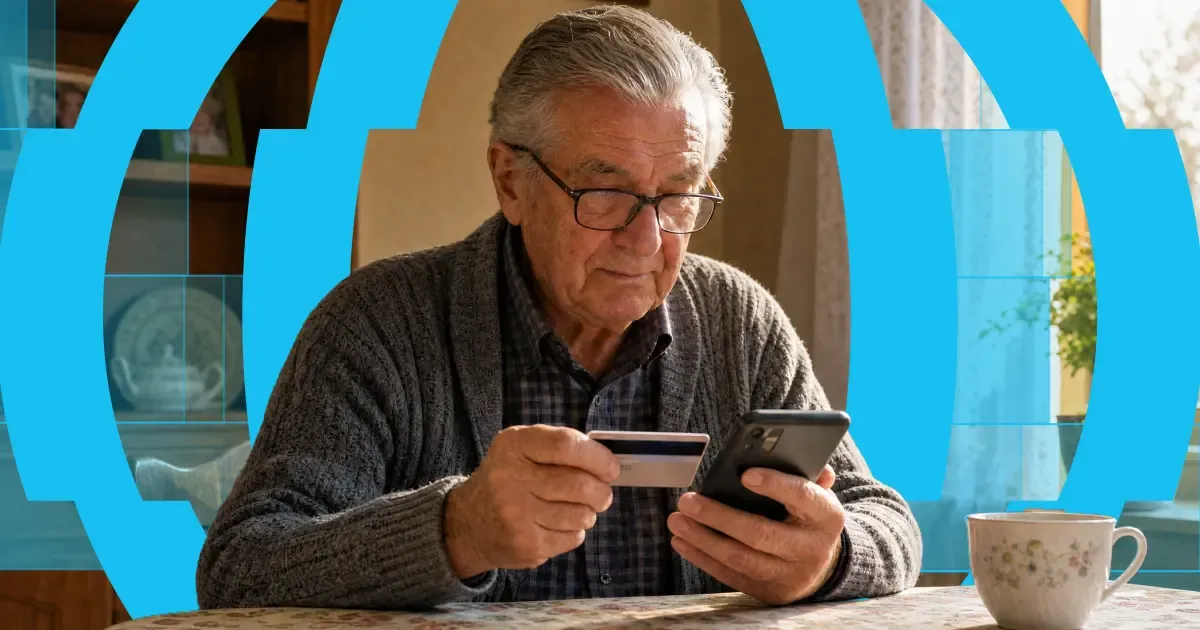
Here's the short answer: yes, you can use a credit card to get money into someone's bank account abroad. "Credit card to bank transfer" means exactly that — you fund the transfer with your credit card, and your recipient receives it in their bank account. Or on their card, in their wallet, or as cash to collect, depending on where they are.
The card and the bank account do different jobs. Your card pays for the transfer. A provider like Paysend then pays the money out through local systems on the other end. It's one flow, and it takes about a minute in the app.
One thing worth knowing before you start: a credit card is usually the most expensive way to fund a transfer. Some issuers treat it as a cash advance, and credit tends to carry higher payment fees than debit. You'll always see the full cost, exchange rate included, before you confirm anything. What follows is: the ways your money can arrive, what each one costs, how fast it gets there, and the cheaper routes worth checking first.

Back-to-school season can be one of the times of year you feel furthest from the people you love. It's also one of the most expensive – school supplies, uniforms, tuition, and everyday essentials all add up at once. Many people help cover these costs by sending money internationally to family abroad. To support that, new Paysend customers get a fee-free first transfer at a better exchange rate during the back-to-school period.
Whether you're helping pay for school or everyday expenses, an international transfer can get support to the people who need it, when they need it. Paysend lets customers send money to more than 170 countries through secure, straightforward payment methods — here's how to sign up for free and claim the offer.


