How to call the Philippines from the USA

Calling the Philippines from the US is easy once you know the correct dialing sequence – and there are plenty of free and low-cost ways to do it. Whether you're trying to stay in touch with family, check in on friends, or manage business from afar, all you need is the right combination of numbers or a good app.
To make a standard phone call, you’ll need:
011 (US exit code) + 63 (Philippines country code) + area code + local number.
But you’ve got options – so here’s how to stay connected.
1. Free ways to call the Philippines
If you're looking to save money, internet-based calls are your best bet. As long as both parties have access to Wi-Fi or mobile data, you can call for free with these apps:
- Viber – One of the most widely used messaging and calling apps in the Philippines. It supports free calls, messages, and even group chats.
- WhatsApp – A reliable option for calls and texts, especially if your contacts already use it.
- Facebook Messenger – Given Facebook's popularity in the Philippines, Messenger is another easy way to make a free voice or video call.
- Google Voice – Great if you want a US-based number to call from while using Wi-Fi.
All of these are excellent choices for making free calls to the Philippines, with the added bonus of video calling and file sharing.
2. Cheap ways to call landlines and mobiles in the Philippines
Not everyone has access to the internet all the time—so if you need to call a landline or a mobile number directly, here are some affordable options:
- Phone cards to call the Philippines – These prepaid cards are sold online and at convenience stores. They usually offer a specific number of minutes to use.
- VoIP services – Apps like Rebtel, Dingtone, Skype, and Google Voice offer very competitive international rates. You can top up credit as you go and only pay for the minutes you use.
- Mobile provider international plans – US networks like T-Mobile, Verizon and AT&T often offer international calling packages. Just be sure to check the per-minute rates or add-ons that include the Philippines.
Some services even offer free trial minutes or discounted rates for your first call—perfect for trying them out without a big upfront cost.
3. The correct dialing format for the Philippines
If you’re calling a mobile or landline number directly from a US phone, you’ll need to enter the numbers in this format:
- 011 (US exit code)
- 63 (Philippines country code)
- area or mobile code
- local phone number
Example 1: Calling a landline
To call a landline in Manila (area code 2) with the number 1234567:
011 63 2 123 4567
Example 2: Calling a mobile number
To call a Globe mobile number (e.g. 09171234567), remove the first ‘0’ and dial:
011 63 917 123 4567
Mobile codes in the Philippines typically start with:
- 917 / 927 – Globe
- 918 / 928 – Smart
- 905 / 915 – TNT
Always drop the initial ‘0’ when calling internationally.
4. Supporting loved ones? Send more than just a call
Phone calls keep you connected – but sometimes, your support needs to go further. With Paysend, you can send money directly from the US to the Philippines in just a few taps. Whether it’s for school fees, groceries, birthdays or bills, Paysend helps you support what matters most.
- Send to GCash, PayMaya, bank accounts or Visa® debit cards
- Transparent rates and low fees
- Fast delivery - often within minutes*
*We will send your money in real-time but it can take up to three days depending on the bank account used.
It’s a modern way to stay close, even from thousands of miles away.
Final tip: Time zones matter
The Philippines is 12–13 hours ahead of US Eastern Time, depending on daylight saving. So if you're calling in the morning US time, it’s late at night over there – plan accordingly to avoid waking someone up!
In short, there are free and low-cost ways to call the Philippines from the US, whether you’re reaching out via app, landline or mobile. Just remember the correct format: 011 + 63 + area/mobile code + number, and you’ll stay connected without the stress.
Neueste Beiträge
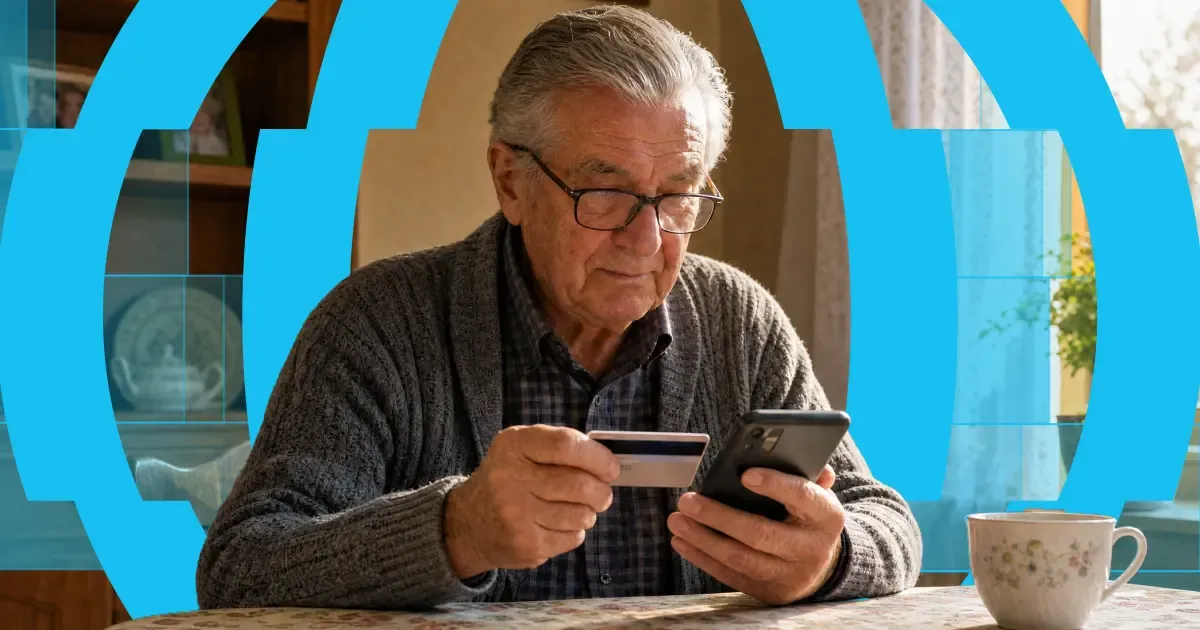
Here's the short answer: yes, you can use a credit card to get money into someone's bank account abroad. "Credit card to bank transfer" means exactly that — you fund the transfer with your credit card, and your recipient receives it in their bank account. Or on their card, in their wallet, or as cash to collect, depending on where they are.
The card and the bank account do different jobs. Your card pays for the transfer. A provider like Paysend then pays the money out through local systems on the other end. It's one flow, and it takes about a minute in the app.
One thing worth knowing before you start: a credit card is usually the most expensive way to fund a transfer. Some issuers treat it as a cash advance, and credit tends to carry higher payment fees than debit. You'll always see the full cost, exchange rate included, before you confirm anything. What follows is: the ways your money can arrive, what each one costs, how fast it gets there, and the cheaper routes worth checking first.

Jeden Monat schicken Tausende Menschen, die in Tschechien arbeiten, einen Teil ihres Gehalts nach Hause – viele von ihnen sind Ukrainer, die Familie jenseits der Grenze unterstützen. Und der klassische Weg macht es schwerer, als es sein müsste: Banküberweisungen, die IBAN und SWIFT-Codes verlangen, Gebühren, die erst sichtbar werden, wenn das Geld schon weg ist, und tagelanges Warten, während zu Hause jemand darauf angewiesen ist.
Pavel Štich hilft seinen Lesern seit Jahren genau dabei, dieses Problem zu lösen. Er ist Mitgründer und Chefredakteur für Finanzen bei Moneyo.cz, einer unabhängigen tschechischen Plattform, die Geldtransferdienste, Aktienbroker und alternative Investments vergleicht – und Paysend-Botschafter, was bedeutet: Er testet selbst, was er empfiehlt, erklärt es verständlich und bietet seinen Lesern exklusive Vorteile. Wir haben ihn gefragt, wie Moneyo entstanden ist, wer die Plattform liest und warum er sich für Paysend entschieden hat.


