Can You Use US Money in Aruba?

Travelling to Aruba and wondering if you need to exchange your dollars before you land? Here’s the simple answer: yes, you can use US money in Aruba almost everywhere.
Why are US dollars accepted in Aruba?
Although the island’s official currency is the Aruban Florin (AWG), the US dollar plays such a big role in everyday life that it’s practically a second currency. That’s because:
- Aruba’s economy is heavily linked to tourism from the United States.
- The florin is pegged to the dollar at a fixed rate (about Afl. 1.79 = USD 1.00).
- Many businesses price goods in both florins and dollars to keep things simple for visitors.
So whether you’re paying for a taxi, buying groceries, or settling your hotel bill, USD is almost always accepted.
Will you ever need Aruban Florins?
In short, sometimes. For most tourist-focused purchases, dollars are fine. But:
- Small local shops and food stalls might prefer florins.
- You could receive change back in florins even if you paid in dollars.
- Public buses and smaller services are easier to pay in local currency.
Tip: ATMs in Aruba dispense both US dollars and florins, so you can decide which works best for you.
Everyday money tips for Aruba
- Bring smaller bills: Large USD notes aren’t always easy to break.
- Check the price label: Many restaurants and stores show prices in both USD and AWG.
- Card-friendly island: Credit and debit cards are widely accepted, so cash isn’t always necessary.
- Exchange isn’t urgent: No need to hunt for exchange desks before your trip — your dollars will be fine.
Enjoy your holiday
You don’t need to worry about converting all your cash before visiting Aruba. US dollars are widely accepted, and the fixed exchange rate makes it straightforward to switch between dollars and florins when needed.
If you’re supporting family in Aruba, Paysend makes it easy to send money straight to cards and bank accounts – so your loved ones can spend in dollars or florins without extra hassle.
The educational materials on this site are provided for informational purposes only and do not reflect the opinions of Central Bank of Kansas City, Member FDIC. Educational materials may contain links to content on third-party websites, which are provided for your convenience; please note that linked sites may have a privacy and security policy different from our own, and we cannot attest to the accuracy of information.
The Central Bank of Kansas City does not guarantee nor expressly endorse any particular business, product, service, or third-party content.
Neueste Beiträge
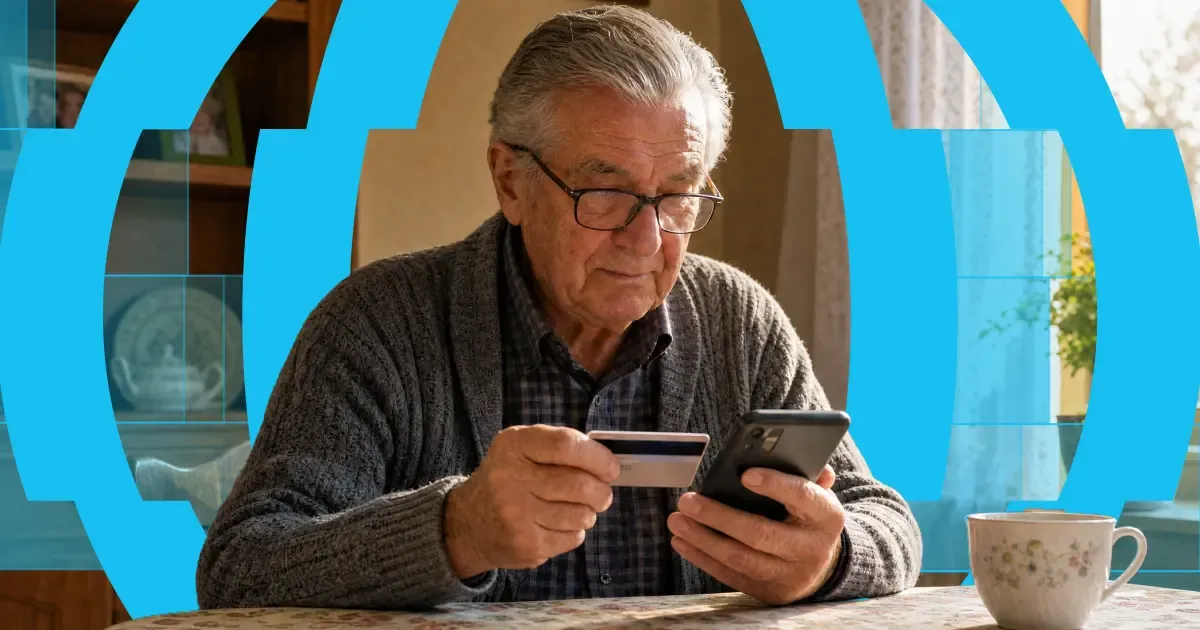
Here's the short answer: yes, you can use a credit card to get money into someone's bank account abroad. "Credit card to bank transfer" means exactly that — you fund the transfer with your credit card, and your recipient receives it in their bank account. Or on their card, in their wallet, or as cash to collect, depending on where they are.
The card and the bank account do different jobs. Your card pays for the transfer. A provider like Paysend then pays the money out through local systems on the other end. It's one flow, and it takes about a minute in the app.
One thing worth knowing before you start: a credit card is usually the most expensive way to fund a transfer. Some issuers treat it as a cash advance, and credit tends to carry higher payment fees than debit. You'll always see the full cost, exchange rate included, before you confirm anything. What follows is: the ways your money can arrive, what each one costs, how fast it gets there, and the cheaper routes worth checking first.

Jeden Monat schicken Tausende Menschen, die in Tschechien arbeiten, einen Teil ihres Gehalts nach Hause – viele von ihnen sind Ukrainer, die Familie jenseits der Grenze unterstützen. Und der klassische Weg macht es schwerer, als es sein müsste: Banküberweisungen, die IBAN und SWIFT-Codes verlangen, Gebühren, die erst sichtbar werden, wenn das Geld schon weg ist, und tagelanges Warten, während zu Hause jemand darauf angewiesen ist.
Pavel Štich hilft seinen Lesern seit Jahren genau dabei, dieses Problem zu lösen. Er ist Mitgründer und Chefredakteur für Finanzen bei Moneyo.cz, einer unabhängigen tschechischen Plattform, die Geldtransferdienste, Aktienbroker und alternative Investments vergleicht – und Paysend-Botschafter, was bedeutet: Er testet selbst, was er empfiehlt, erklärt es verständlich und bietet seinen Lesern exklusive Vorteile. Wir haben ihn gefragt, wie Moneyo entstanden ist, wer die Plattform liest und warum er sich für Paysend entschieden hat.


