Your second chance to win up to £400, £250 or £175 with Paysend!

Share Paysend. Win big – again!
Invite friends to Paysend for a chance to win up to £400, £250 or £175. T&Cs apply.
Keep an eye on your inbox and our social media – we’ll be announcing the October winners very soon.
Missed out last time? Here’s your second chance. The Paysend Giveaway continues this November, giving you another opportunity to win up to £400, £250 or £175 GBP (or equivalent) in bonus rewards.
How to enter
From November 1 to November 30, 2025, invite your friends and family to join Paysend. Every successful invite – when your friend sends their first transfer – gives you another entry into the draw.
What’s up for grabs
🥇 £400 GBP (or local equivalent)
🥈 £250 GBP (or local equivalent)
🥉 £175 GBP (or local equivalent)
The more you share, the more chances you have to win
Invite as many friends as you like — each successful referral counts as another entry.
And even if you don’t win one of the top prizes, you’ll still earn £1.50 for each of your friend’s first 12 transfers (up to £18 total) through our ongoing Invite a Friend program.
Disclaimer:
Open to residents of EEA and UK, aged 18+. Starts 1st November 2025, ends 30th November 2025. For full Ts & Cs visit: https://paysend.com/marketing-tc. Promoter: Paysend Group Limited.
Neueste Beiträge
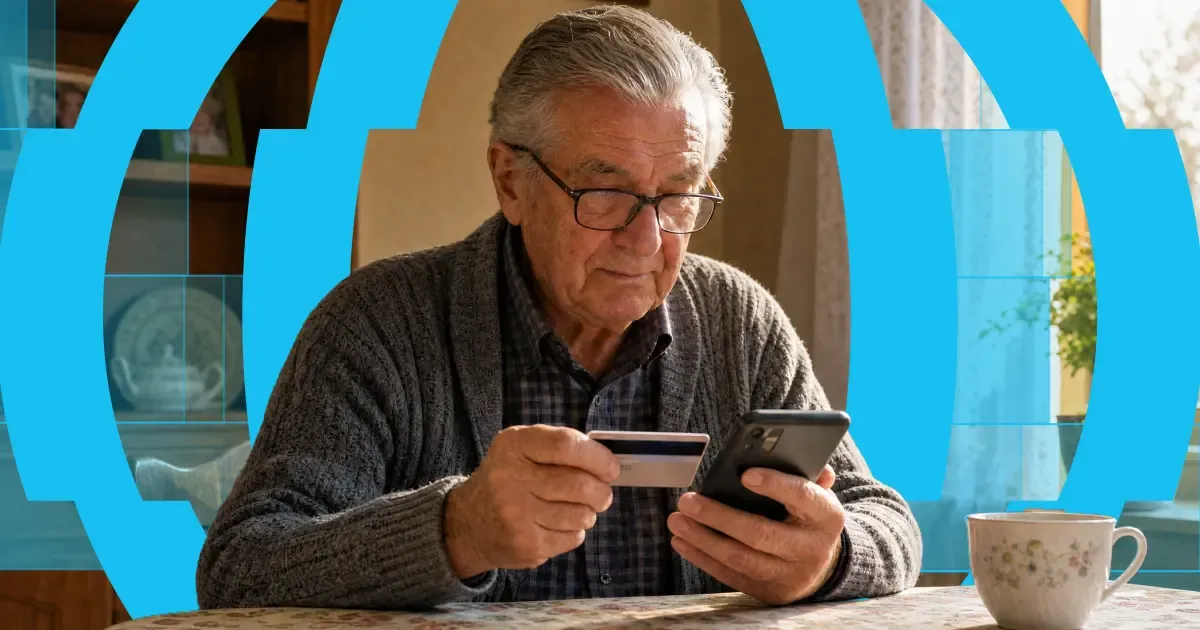
Here's the short answer: yes, you can use a credit card to get money into someone's bank account abroad. "Credit card to bank transfer" means exactly that — you fund the transfer with your credit card, and your recipient receives it in their bank account. Or on their card, in their wallet, or as cash to collect, depending on where they are.
The card and the bank account do different jobs. Your card pays for the transfer. A provider like Paysend then pays the money out through local systems on the other end. It's one flow, and it takes about a minute in the app.
One thing worth knowing before you start: a credit card is usually the most expensive way to fund a transfer. Some issuers treat it as a cash advance, and credit tends to carry higher payment fees than debit. You'll always see the full cost, exchange rate included, before you confirm anything. What follows is: the ways your money can arrive, what each one costs, how fast it gets there, and the cheaper routes worth checking first.

Jeden Monat schicken Tausende Menschen, die in Tschechien arbeiten, einen Teil ihres Gehalts nach Hause – viele von ihnen sind Ukrainer, die Familie jenseits der Grenze unterstützen. Und der klassische Weg macht es schwerer, als es sein müsste: Banküberweisungen, die IBAN und SWIFT-Codes verlangen, Gebühren, die erst sichtbar werden, wenn das Geld schon weg ist, und tagelanges Warten, während zu Hause jemand darauf angewiesen ist.
Pavel Štich hilft seinen Lesern seit Jahren genau dabei, dieses Problem zu lösen. Er ist Mitgründer und Chefredakteur für Finanzen bei Moneyo.cz, einer unabhängigen tschechischen Plattform, die Geldtransferdienste, Aktienbroker und alternative Investments vergleicht – und Paysend-Botschafter, was bedeutet: Er testet selbst, was er empfiehlt, erklärt es verständlich und bietet seinen Lesern exklusive Vorteile. Wir haben ihn gefragt, wie Moneyo entstanden ist, wer die Plattform liest und warum er sich für Paysend entschieden hat.


