Your 2020 guide to money transfers

Sending money abroad can be frustrating. After working hard earning money to send home to your friends and family, the last thing you want is high fees and poor exchange rates when you make the transfer.
Choosing the right money transfer method will save you lots of time and money, so you should do your research beforehand to make sure you find the solution that works best for you!
Here are the main methods for sending money internationally:
Wire transfer
This involves going into a physical location - normally either a bank, post office or remittance outlet and paying your money to a cashier to make the transfer for you.
Benefits:
- You can send money to someone without a bank account
- The cashier can guide you through the process if you’re unsure
Drawbacks:
- Both you and the recipient need to go in-store to send/receive the money
- High transfer fees from commission and poor exchange rates
- Lengthy forms need to be filled in by both sender and recipient
- Bank processing times can be long, so your transfer may be slow
Online money transfer platforms
There are a number of online methods of money transfer which can be done by yourself, from home. They are done using your internet browser or smartphone app.
Benefits:
- Much cheaper - flat, low fees and good exchange rates
- You can do them at any time, and you avoid queues
- Money is sent faster as bank processing times are bypassed
Drawbacks:
- Need to check that platforms are FCA-regulated to ensure top security
- Require the recipient to have a bank/card account
Digital wallet transfers
These are carried out by uploading money to a mobile-based app, before sending it on to another wallet or bank account.
Benefits:
- Can send money on-the-go from your smartphone
- You often only need the recipient’s mobile number or email address to send
- Cheap money transfers available with low or zero commission
- Secure platforms which keep your money safe
Drawbacks:
- Some wallets, such as PayPal, will charge a significant fee for sending money abroad
- Smartphones are required which have enough capability for digital wallets
Sending money with Paysend
Paysend Global Transfers is an online money transfer platform through which users send money via their web browser or the Paysend smartphone app. Money transfers with Paysend cost just £1, $2 or €1.5, and use competitive exchange rates. Money is sent from the user’s Paysend account instantly (delivery is determined by the recipient’s bank).
How can the recipient receive my money?
Paysend is different from other money transfer companies because in most countries users can send money directly to cards as well as to bank accounts. This gives all Paysend users extra choice and flexibility for their money transfers.
The costs of sending money abroad
Paysend Global Transfers uses competitive exchange rates and low, flat fees of just £1, $2 or €1.5 per international money transfer. This can help you save lots of money when compared with traditional money transfer methods, because many high-street banks and remittance outlets charge extra hidden fees.
Hidden fees can include commissions (usually a percentage of the amount transferred) and weak exchange rates. Many banks profit on transfers by giving customers a worse exchange rate than they’d get on the open market. Annoying, right?!
Choosing a cost-effective money transfer provider is important so that your money will have as much impact as possible when it reaches its destination. The lower the cost of the transfer, the more money will be available to your friends and family when they receive it!
Paysend is on a mission to create a world without borders. Our Global Transfers platform makes it easy for users to send money abroad quickly, cheaply and securely. All of our money transfers enjoy excellent exchange rates and no hidden fees.
To get started, head to the App Store or Google Play and download the Paysend app.
Neueste Beiträge
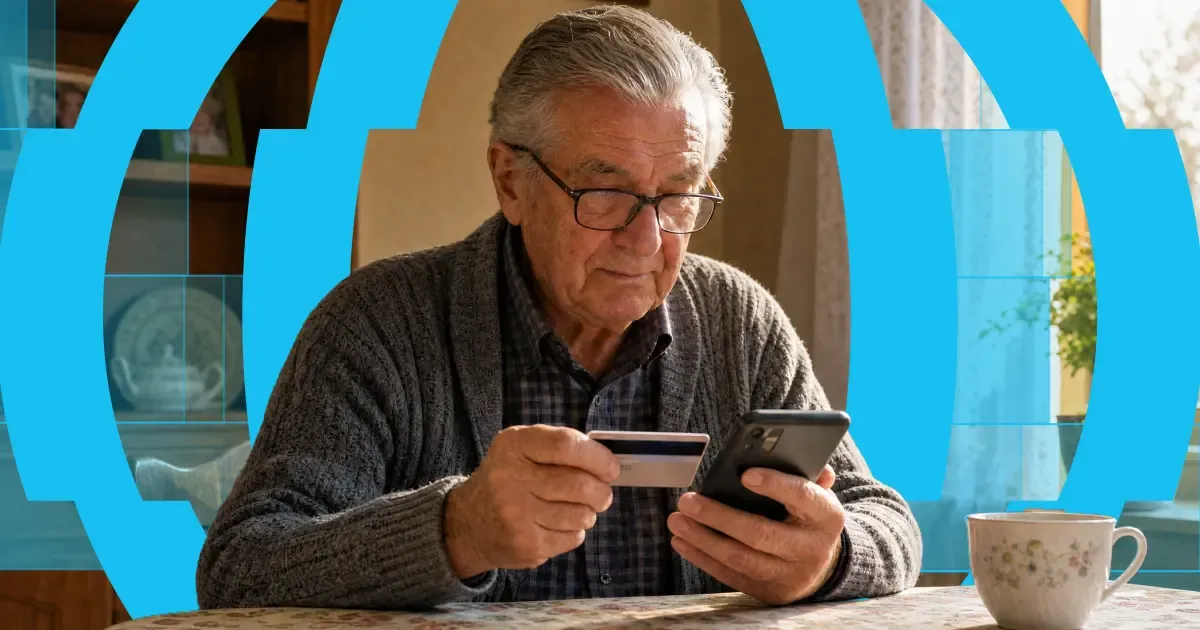
Here's the short answer: yes, you can use a credit card to get money into someone's bank account abroad. "Credit card to bank transfer" means exactly that — you fund the transfer with your credit card, and your recipient receives it in their bank account. Or on their card, in their wallet, or as cash to collect, depending on where they are.
The card and the bank account do different jobs. Your card pays for the transfer. A provider like Paysend then pays the money out through local systems on the other end. It's one flow, and it takes about a minute in the app.
One thing worth knowing before you start: a credit card is usually the most expensive way to fund a transfer. Some issuers treat it as a cash advance, and credit tends to carry higher payment fees than debit. You'll always see the full cost, exchange rate included, before you confirm anything. What follows is: the ways your money can arrive, what each one costs, how fast it gets there, and the cheaper routes worth checking first.

Jeden Monat schicken Tausende Menschen, die in Tschechien arbeiten, einen Teil ihres Gehalts nach Hause – viele von ihnen sind Ukrainer, die Familie jenseits der Grenze unterstützen. Und der klassische Weg macht es schwerer, als es sein müsste: Banküberweisungen, die IBAN und SWIFT-Codes verlangen, Gebühren, die erst sichtbar werden, wenn das Geld schon weg ist, und tagelanges Warten, während zu Hause jemand darauf angewiesen ist.
Pavel Štich hilft seinen Lesern seit Jahren genau dabei, dieses Problem zu lösen. Er ist Mitgründer und Chefredakteur für Finanzen bei Moneyo.cz, einer unabhängigen tschechischen Plattform, die Geldtransferdienste, Aktienbroker und alternative Investments vergleicht – und Paysend-Botschafter, was bedeutet: Er testet selbst, was er empfiehlt, erklärt es verständlich und bietet seinen Lesern exklusive Vorteile. Wir haben ihn gefragt, wie Moneyo entstanden ist, wer die Plattform liest und warum er sich für Paysend entschieden hat.


