How US Businesses Can Unlock Growth in Latin America Through Smarter Payments

Hi, I’m Rick, and I lead Paysend Enterprise’s Commercial Team across North and South America.
If you’re a small or medium-sized business in the US, chances are you’ve looked south and seen the opportunity. Central and South America represent some of the fastest-growing e-commerce and digital economies in the world. But if you’ve ever tried to expand there, you know that payments are often the sticking point.
The opportunity is real.
Latin America’s digital payments revenue is forecast to triple by 2027, and over 90% of small businesses now accept digital payments. E-commerce sales are expected to exceed $260 billion by 2028. On top of that, remittances flowing from the US into Mexico, Colombia, and beyond continue to grow at nearly double-digit rates each year.
At Paysend, our mission is to bring simple money transfer to all, including the underserved. By breaking barriers in cross-border payments, we help businesses unlock the full potential of these dynamic markets.
But here’s the challenge.
Payments across borders are fragmented. Every country has its own preferred methods — Brazil has Pix, Mexico relies heavily on card rails, Colombia has local wallets. Add in currency risk, fees, and compliance hurdles, and what should be a growth story can quickly become a headache.
These are the main pain points in cross-border money transfer — and addressing them is at the core of what we do.
That’s where we step in.
At Paysend, we’re building the world’s largest digital payment network, connecting US enterprises directly into Visa Direct, Mastercard Send, and local schemes, so whether you’re paying a supplier in Bogotá, a freelancer in São Paulo, or a partner in Mexico City, the funds can land quickly and securely, often straight to their card. One API, multiple markets, instant access.
Not long ago, I spoke with the CEO of a U.S. gaming marketplace that was working with sellers in Latin America that sell their digital gaming assets globally. Transactions were coming in, but every payout to their digital content sellers in Colombia caused headaches - long settlement times full of bank fees and endless reconciliation friction. One seller even told him, “I love working with you, but I can’t afford to wait this long for my money.”
That’s when they came to Paysend. With Paysend, they are able to pay those same sellers in minutes - not days - straight to their local cards and accounts. Suddenly, their sellers had cash flow, their brand had trust, and they could scale with confidence. The CEO told me, “Once payments stopped being the bottleneck, growth finally felt possible.”
Think about the possibilities:
- An online marketplace in Texas paying its artisan partners in Peru within minutes.
- A US SaaS platform expanding into Brazil, disbursing affiliate earnings quickly and cost-effectively.
- A small exporter in Florida who can now settle with Colombian vendors in local currency.
When payments work, markets open. And when markets open, small businesses grow — creating a win for everyone.
At Paysend, we’re committed to addressing cross-border payment challenges through innovation, transparency, and speed — giving businesses the tools they need to scale globally.
Ready to grow?
If you’re ready to explore Latin America, let’s talk about how smarter payouts can power your next stage of growth.
Explore Paysend Enterprise
Latest Posts
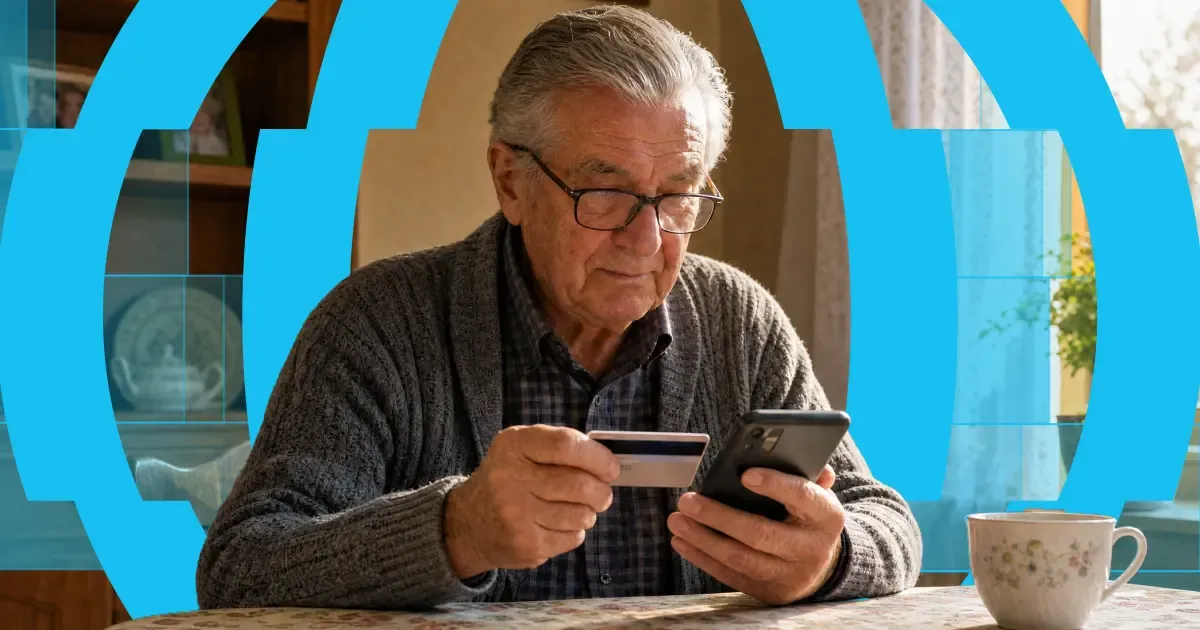
Here's the short answer: yes, you can use a credit card to get money into someone's bank account abroad. "Credit card to bank transfer" means exactly that — you fund the transfer with your credit card, and your recipient receives it in their bank account. Or on their card, in their wallet, or as cash to collect, depending on where they are.
The card and the bank account do different jobs. Your card pays for the transfer. A provider like Paysend then pays the money out through local systems on the other end. It's one flow, and it takes about a minute in the app.
One thing worth knowing before you start: a credit card is usually the most expensive way to fund a transfer. Some issuers treat it as a cash advance, and credit tends to carry higher payment fees than debit. You'll always see the full cost, exchange rate included, before you confirm anything. What follows is: the ways your money can arrive, what each one costs, how fast it gets there, and the cheaper routes worth checking first.

Back-to-school season can be one of the times of year you feel furthest from the people you love. It's also one of the most expensive – school supplies, uniforms, tuition, and everyday essentials all add up at once. Many people help cover these costs by sending money internationally to family abroad. To support that, new Paysend customers get a fee-free first transfer at a better exchange rate during the back-to-school period.
Whether you're helping pay for school or everyday expenses, an international transfer can get support to the people who need it, when they need it. Paysend lets customers send money to more than 170 countries through secure, straightforward payment methods — here's how to sign up for free and claim the offer.


