Paysend Embed: the widget powering seamless cross-border payouts
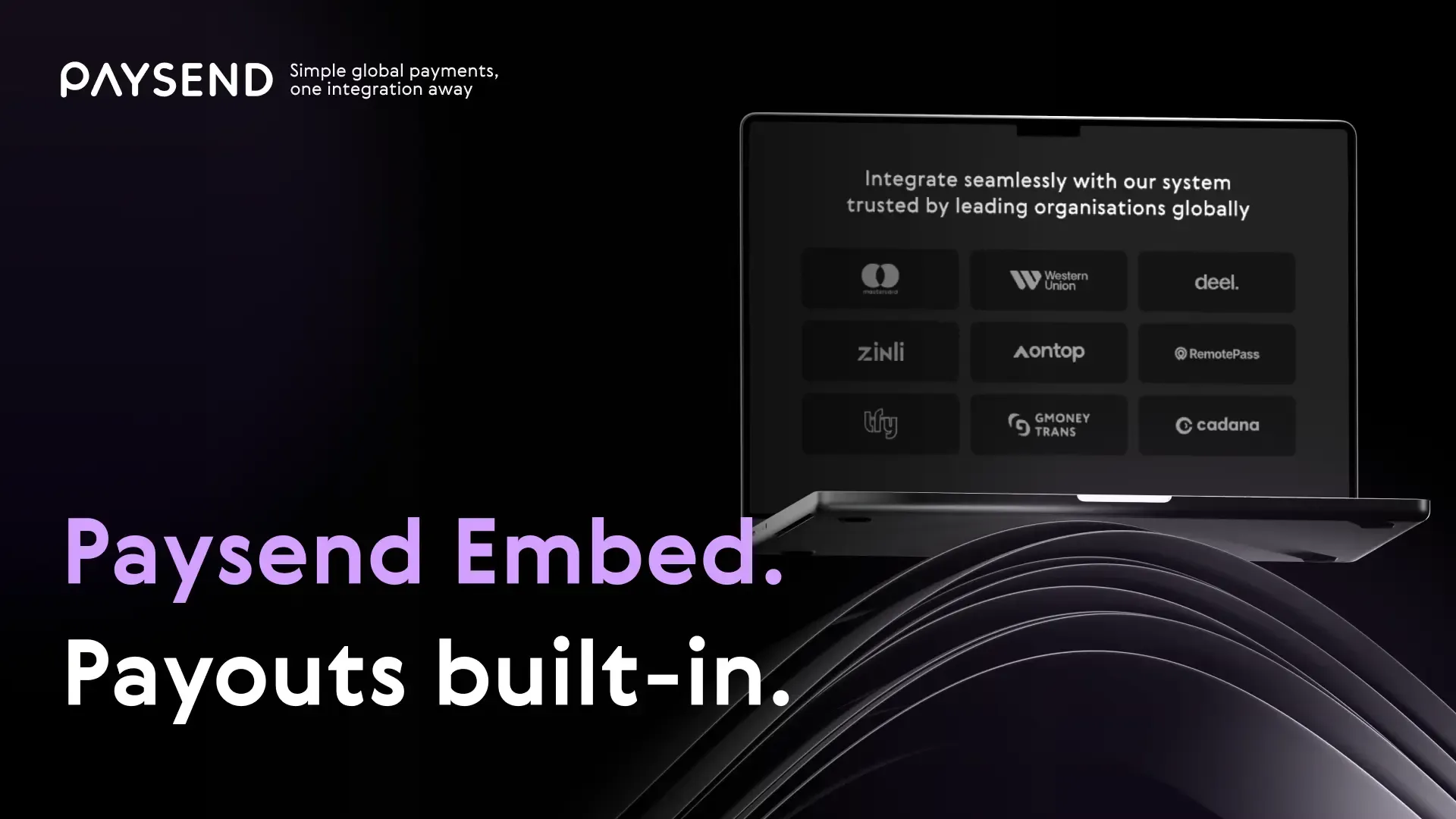
Behind every smooth international transaction is powerful infrastructure. With Paysend Embed, licensed institutions, fintechs, and digital platforms can integrate instant, compliant payouts into their apps, bringing their users closer to a truly borderless experience.
As part of Paysend’s mission to build the world’s largest digital payment network, Embed helps partners break barriers in cross-border money movement. It’s designed for teams that want to stay in control of their user experience, while Paysend powers the secure, compliant movement of funds behind the scenes.
Built for licensed institutions
For banks, regulated financial institutions, and licensed entities, Embed offers a white-label-ready widget that fits seamlessly into existing digital ecosystems. You maintain full control of your customer experience while Paysend handles global delivery, compliance, and infrastructure.
Key features:
- Native widget for app and web integration
- Tier 1 licensing and infrastructure
- Fast go-to-market
- Enterprise-level scalability
Built for fintechs
For startups and scaleups ready to expand across borders, Embed accelerates growth. With one integration, fintechs can embed international payouts directly into their products, unlocking new functionality, new markets, and new revenue streams in days, not months.
Key features:
- Fully embeddable widget
- Access to 100+ global corridors
- Licensed and compliant rails
- Rapid deployment
Built for the creator and gig economy
Modern platforms are global by default, and their users expect to get paid the same way. Embed empowers gig and creator platforms to deliver real-time* payouts inside their own ecosystems, giving freelancers, creators, and contractors faster access to their earnings.
Key features:
- Multi-currency, multi-market support
- Mobile-first widget integration
- Real-time payouts to card, wallet, or bank
- Scalable for high-volume businesses
Breaking barriers in global payouts
Paysend Embed addresses the biggest pain points in cross-border money transfer – compliance, licensing, and infrastructure – so partners can focus on innovation. It’s part of our mission to bring simple, secure money transfer to all, including the underserved, while giving businesses the tools to scale globally with confidence.
*Please note: Your money will be sent in real time; however, transfer delivery times may vary based on recipient bank processing, compliance checks, or other factors.
Latest Posts
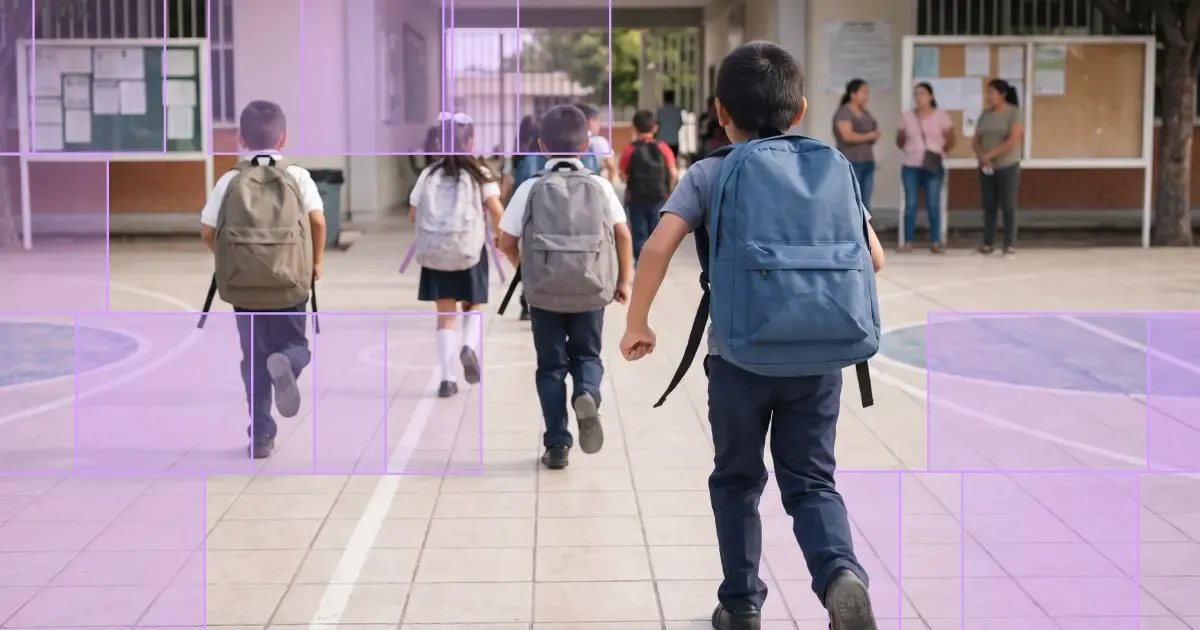
Back-to-school season can be one of the times of year you feel furthest from the people you love. It's also one of the most expensive – school supplies, uniforms, tuition, and everyday essentials all add up at once. Many people help cover these costs by sending money internationally to family abroad. To support that, new Paysend customers get a fee-free first transfer at a better exchange rate during the back-to-school period.
Whether you're helping pay for school or everyday expenses, an international transfer can get support to the people who need it, when they need it. Paysend lets customers send money to more than 170 countries through secure, straightforward payment methods — here's how to sign up for free and claim the offer.

Every month, thousands of people working in the Czech Republic send part of their payday home — many of them Ukrainians supporting family across the border. And the traditional route makes it harder than it should be: bank wires that ask for IBANs and SWIFT codes, fees that only show up after the money's gone, and days of waiting while someone at home is counting on it.
Pavel Štich has spent years helping his readers solve exactly that. He's Co-Founder and Lead Financial Editor at Moneyo.cz, an independent Czech platform that compares money transfer services, stock brokers, and alternative investments — and a Paysend Ambassador, which means he tests what he recommends, explains it plainly, and brings his readers reader-only perks. We asked him how Moneyo started, who reads it, and why he chose Paysend.


