How Paysend is already meeting worldwide remittance affordability goals

Over the past few years, digital remittances served as a lifeline to stay financially connected with loved ones living abroad during the COVID-19 pandemic. Now, despite moving into an era where people are more likely to travel and get together with friends and family, remittances are still expected to rise.
Digital transfer options are continuing to grow in popularity as they offer a convenient way to send money to loved ones living internationally. In fact, the remittance market is expected to grow nearly 5% this year.
In addition to convenience, cost is also a factor that people often consider when choosing between different services. So, why has the price of sending a remittance risen and what can be done to mitigate cost for you and your loved ones?
Remittances are growing, but cost and fees don’t have to
The global average cost of a remittance in recent years was a shocking 6.5%. Despite many digital remittance companies touting low transaction prices, people are still subject to spending more on money transfer costs due to hidden fees. Historically, there has been a lack of cost transparency within our industry that has resulted in people paying high fees for remittances.
There are several factors that hike up remittance prices – exchange rates that fluctuate, transfer fees, receival fees and more. These charges, often not accounted for at the beginning of a transfer setup, have caused billions of people to spend more money to make international transfers and payments than initially intended.
That’s why the United Nations set a worldwide mobility goal to make digital money transfers fees less than 3% by 2030. Experts believe that with greater price transparency throughout the entire transfer process, we can achieve lower remittances costs globally.
Paysend promises to make money transfers affordable for all
Here at Paysend, we understand the needs of our customers and aim to make digital money transfers accessible (and affordable) for all. Despite having several years left, we’ve already pushed to achieve the UN’s goal as we charge a flat $2 per transfer with no hidden fees.
We also make it easier for customers to view how much money will be spent on exchange rates using our Exchange Calculator.
“Paysend helped me and my family a lot by offering a low transfer fee and great service - very simple and convenient,” said a customer that transfers money to Uzbekistan.
Looking for a way to send money abroad without the confusion of hidden fees and unnecessary upcharges? Download the Paysend Global Transfers app* from the App Store or Google Play today.
*Standard data rates from your wireless service provider may apply.
Latest Posts
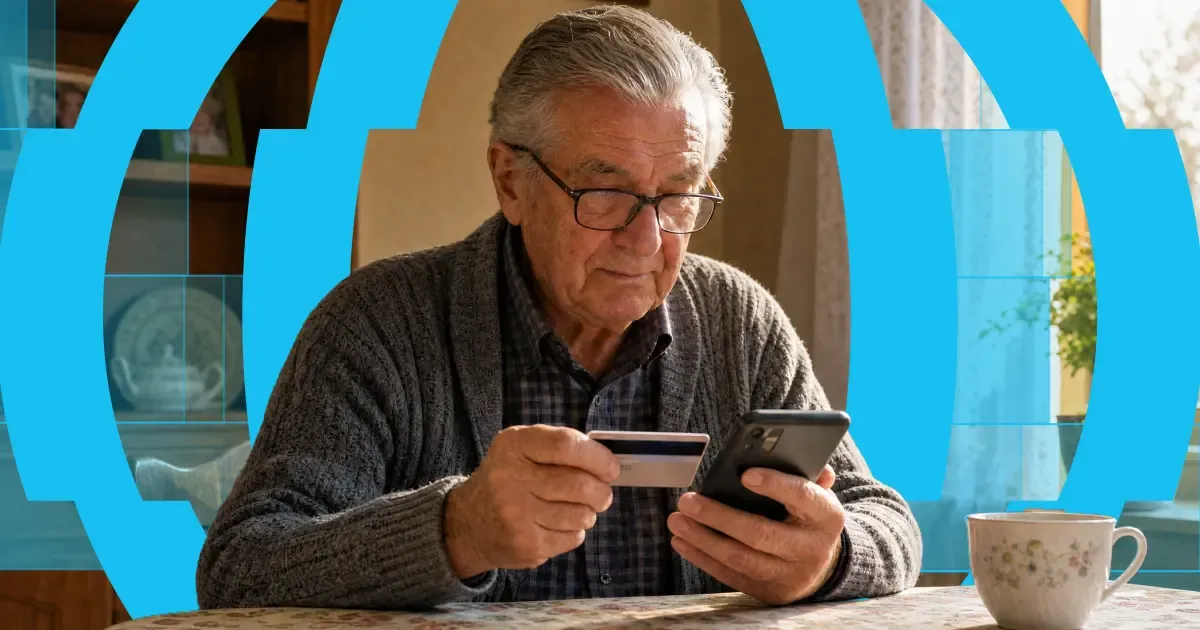
Here's the short answer: yes, you can use a credit card to get money into someone's bank account abroad. "Credit card to bank transfer" means exactly that — you fund the transfer with your credit card, and your recipient receives it in their bank account. Or on their card, in their wallet, or as cash to collect, depending on where they are.
The card and the bank account do different jobs. Your card pays for the transfer. A provider like Paysend then pays the money out through local systems on the other end. It's one flow, and it takes about a minute in the app.
One thing worth knowing before you start: a credit card is usually the most expensive way to fund a transfer. Some issuers treat it as a cash advance, and credit tends to carry higher payment fees than debit. You'll always see the full cost, exchange rate included, before you confirm anything. What follows is: the ways your money can arrive, what each one costs, how fast it gets there, and the cheaper routes worth checking first.

Back-to-school season can be one of the times of year you feel furthest from the people you love. It's also one of the most expensive – school supplies, uniforms, tuition, and everyday essentials all add up at once. Many people help cover these costs by sending money internationally to family abroad. To support that, new Paysend customers get a fee-free first transfer at a better exchange rate during the back-to-school period.
Whether you're helping pay for school or everyday expenses, an international transfer can get support to the people who need it, when they need it. Paysend lets customers send money to more than 170 countries through secure, straightforward payment methods — here's how to sign up for free and claim the offer.


