The Gig Economy Is Here to Stay — But Can Payments Keep Up?
Hello, I’m Danny, and I head up EMEA for Paysend Enterprise’s Commercial Team.
If there’s one trend that’s reshaping work in our regions, it’s the gig economy. From food delivery riders in London, to freelance designers in Berlin, to taskers in Lagos, flexible, on-demand work is changing how millions earn a living.
The numbers tell the story.
Europe’s gig economy is growing at more than 15% a year. In Africa, mobile-first platforms are exploding as smartphone adoption rises. Millions of people are now relying on platform work, often across borders, as a primary income source.
But here’s the catch.
Getting paid is still a pain point. Workers want fast, flexible payouts, not waiting a week or more. They want options that fit their lives: some prefer money sent straight to their bank card, others use mobile wallets. And for the platforms themselves, handling this diversity across borders, currencies, and regulations is a constant challenge.
That’s where Paysend helps.
We specialise in instant, cross-border payouts. Through Visa Direct, Mastercard Send, and local schemes, we make it possible for platforms to pay workers directly to their card or wallet, often within minutes, 24/7. No need for multiple local bank accounts, no endless integrations. Just one partnership that scales with you.
Think about the impact:
A delivery rider in Madrid cashing out earnings instantly after a shift.
A gig worker in Nairobi receives wages directly to their mobile wallet, without delay.
A creative freelancer in Paris getting paid the same day by an international client.
When workers are paid quickly and reliably, they stay engaged. And when platforms can simplify their payout model, they scale faster and with fewer headaches.
The gig economy isn’t slowing down, and neither should your payments. Let’s re-think how payouts can power the future of work.
Últimos artículos
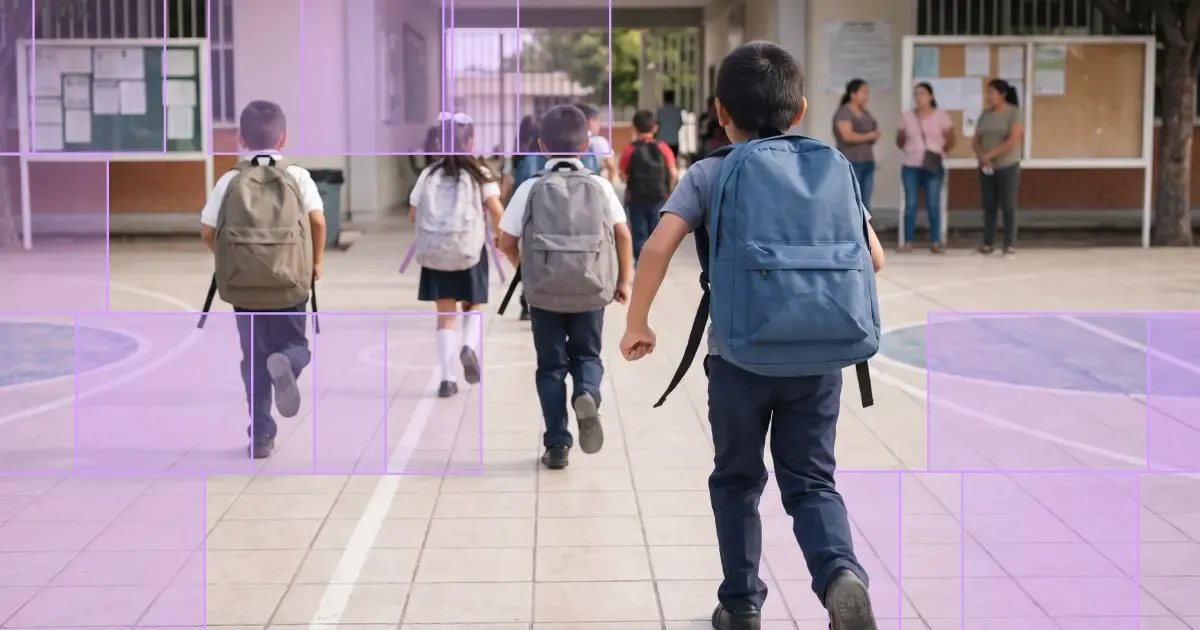
La vuelta al cole es una de esas épocas del año en las que más se siente la distancia de los seres queridos. También es una de las más costosas: material escolar, uniformes, matrículas y gastos cotidianos suelen concentrarse en unas pocas semanas. Muchas personas ayudan a sus familiares en el extranjero a cubrir estos gastos enviándoles dinero. Para ayudar con estos costes, los nuevos clientes de Paysend pueden hacer su primera transferencia sin comisiones y con un tipo de cambio más favorable durante el periodo de vuelta al cole.
Tanto si ayudas a pagar los estudios como si necesitas cubrir gastos del día a día, una transferencia internacional te permite apoyar a tus seres queridos justo cuando más lo necesitan. Con Paysend puedes enviar dinero a más de 170 países mediante métodos de pago seguros y cómodos. A continuación, te explicamos cómo registrarte gratis y aprovechar la oferta.

Cada mes, miles de personas que trabajan en la República Checa envían parte de su sueldo a casa; muchos de ellos son ucranianos que apoyan a sus familias en Ucrania. Y el método tradicional complica lo que debería ser sencillo: transferencias bancarias que requieren IBAN y códigos SWIFT, comisiones cuyo importe solo se conoce después de enviar el dinero y días de espera mientras sus familias cuentan con ese dinero.
Pavel Štich lleva años ayudando a sus lectores a resolver justamente ese problema. Es cofundador y redactor jefe de la sección de finanzas de Moneyo.cz, una plataforma checa independiente que compara servicios de transferencia de dinero, brókeres bursátiles e inversiones alternativas, y Embajador de Paysend. Esto significa que prueba personalmente todo lo que recomienda, lo explica con claridad y ofrece a sus lectores ventajas exclusivas. Le preguntamos cómo empezó Moneyo, quiénes lo leen y por qué eligió Paysend.


