“Remittance” defined, and the power of digital money transfer platforms revealed

According to Merriam Webster, “remittance” is defined as a transmittal of money to a distant place like another country. This transmission of money may be done through traditional money management methods such as a bank or through modern solutions like a digital money transfer platform.
As we continue into the new year, the remittance market is expected to expand despite a slight decrease in the amount transferred due to the COVID-19 pandemic. In fact, in 2022, experts project remittances to grow at nearly 5%.
The power of a remittance
Whether for paying bills in a foreign country or supporting organizations abroad, a remittance may be sent for several reasons, but more often than not, money is sent to financially care for loved ones living internationally. For instance, over the past two-years, remittances were used as a lifeline to stay connected to loved ones during the pandemic when travel restrictions were implemented across the globe.
Moving forward, the act of transferring money to friends and family living abroad is anticipated to increase as businesses financially recover and people recuperate and plan for a financially healthier 2022.
What’s more, transferring money abroad has never been more convenient. Through digital methods, people are granted more transparency, visibility and power over when and how they want to send money. Remittances are especially beneficial in less developed countries where economic inequality has left many less-financially sound. As a result, remittances to low- and middle-income countries are projected to grow.
Why choose Paysend’s remittance platform
Paysend’s digital money transfer platform makes sending money home to a loved one:
- Easy. Instead of having to commute from your home to a bank, remittance outlet, etc. to then wait in line to speak to a cashier to transfer money, Paysend users can send money right from the palm of their hands anywhere, anytime.
- Fast. Transferring money through a bank may sometimes take more time due to slower processing times. With Paysend, transfers usually arrive to a recipient in close to real-time.
- Affordable. Paysend charges a flat fee of just $2 when transferring money internationally from the US.
Want an easy way to send a remittance to your friends or family living internationally? Download the Paysend Global Transfers app* from the App Store or Google Play today!
*Standard data rates from your wireless service provider may apply.
Últimos artículos
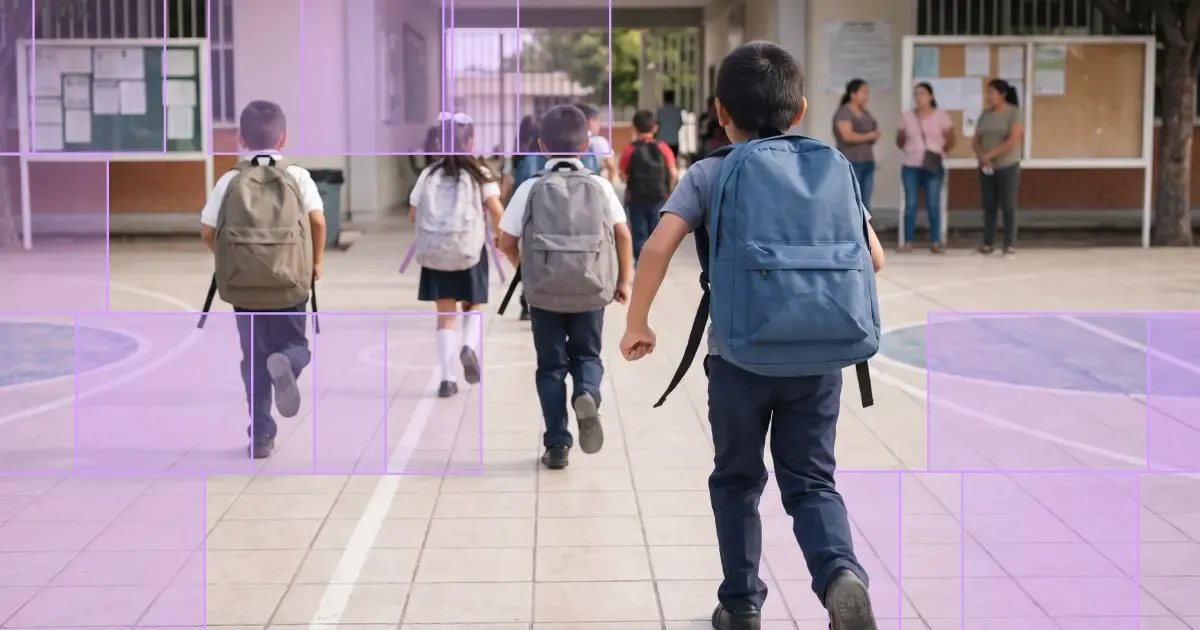
La vuelta al cole es una de esas épocas del año en las que más se siente la distancia de los seres queridos. También es una de las más costosas: material escolar, uniformes, matrículas y gastos cotidianos suelen concentrarse en unas pocas semanas. Muchas personas ayudan a sus familiares en el extranjero a cubrir estos gastos enviándoles dinero. Para ayudar con estos costes, los nuevos clientes de Paysend pueden hacer su primera transferencia sin comisiones y con un tipo de cambio más favorable durante el periodo de vuelta al cole.
Tanto si ayudas a pagar los estudios como si necesitas cubrir gastos del día a día, una transferencia internacional te permite apoyar a tus seres queridos justo cuando más lo necesitan. Con Paysend puedes enviar dinero a más de 170 países mediante métodos de pago seguros y cómodos. A continuación, te explicamos cómo registrarte gratis y aprovechar la oferta.

Cada mes, miles de personas que trabajan en la República Checa envían parte de su sueldo a casa; muchos de ellos son ucranianos que apoyan a sus familias en Ucrania. Y el método tradicional complica lo que debería ser sencillo: transferencias bancarias que requieren IBAN y códigos SWIFT, comisiones cuyo importe solo se conoce después de enviar el dinero y días de espera mientras sus familias cuentan con ese dinero.
Pavel Štich lleva años ayudando a sus lectores a resolver justamente ese problema. Es cofundador y redactor jefe de la sección de finanzas de Moneyo.cz, una plataforma checa independiente que compara servicios de transferencia de dinero, brókeres bursátiles e inversiones alternativas, y Embajador de Paysend. Esto significa que prueba personalmente todo lo que recomienda, lo explica con claridad y ofrece a sus lectores ventajas exclusivas. Le preguntamos cómo empezó Moneyo, quiénes lo leen y por qué eligió Paysend.


