Year-End Wrap-Up — 2025 in Numbers: Celebrating Growth

2025 was a milestone year for Paysend — a year defined by scale, innovation, and the incredible stories of the people and businesses who trust us to move money across borders.
This year we saw global payouts reach new highs, expanded our corridors, partnered with game-changing platforms, and helped more people send money home instantly and affordably.
But behind the numbers are human stories — the real heartbeat of Paysend.
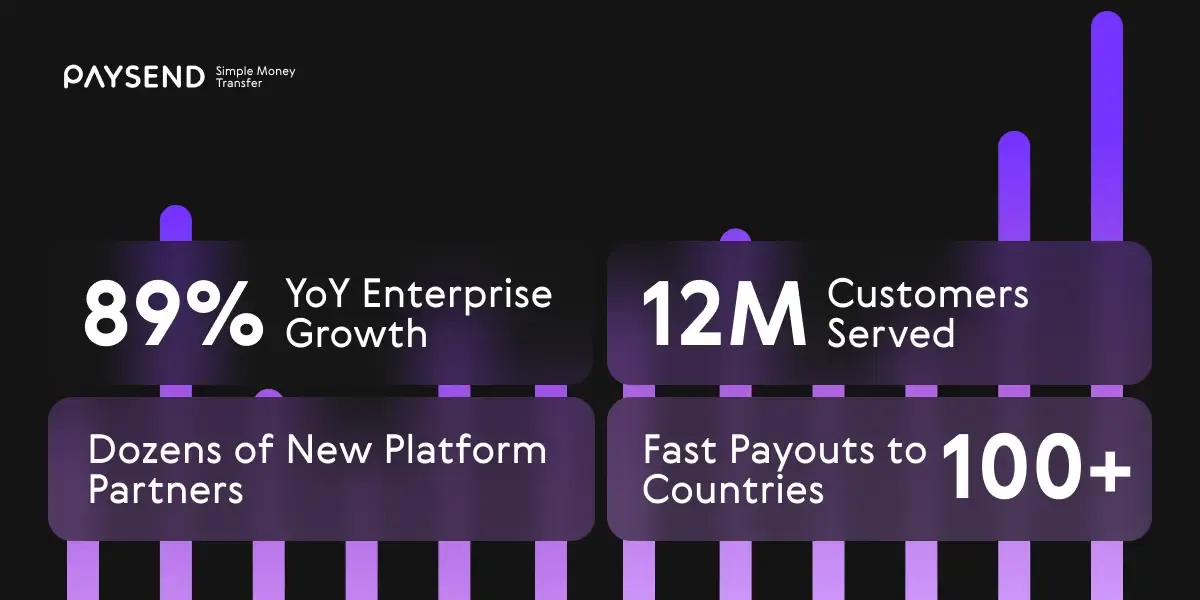
2025 in Numbers
- 89% YoY growth across our Enterprise business
- Dozens of new platform partners onboarded across payroll, fintech, marketplaces, and embedded finance
- 12M+ global customers moving money with more speed, transparency, and convenience than ever before
- Instant payouts* to 100+ countries, enabling families to stay connected in real time
*We’ll send your money in real-time, but it could take up to 3 business days depending on your recipient’s bank processing time.
End-of-Year Appreciation
As we wrap up 2025, we want to say thank you to every customer, partner, sender, and recipient.
Here’s to an even stronger 2026 — with more connections, more innovation, and more lives changed.
The materials on this blog are provided for informational purposes only and do not reflect the opinions of Central Bank of Kansas City, Member FDIC. Blog posts may contain links to content on third-party websites, which are provided for your convenience; please note that linked sites may have a privacy and security policy different from our own, and we cannot attest to the accuracy of information. The Central Bank of Kansas City does not guarantee nor expressly endorse any particular business, product, service, or third-party content.
Derniers messages
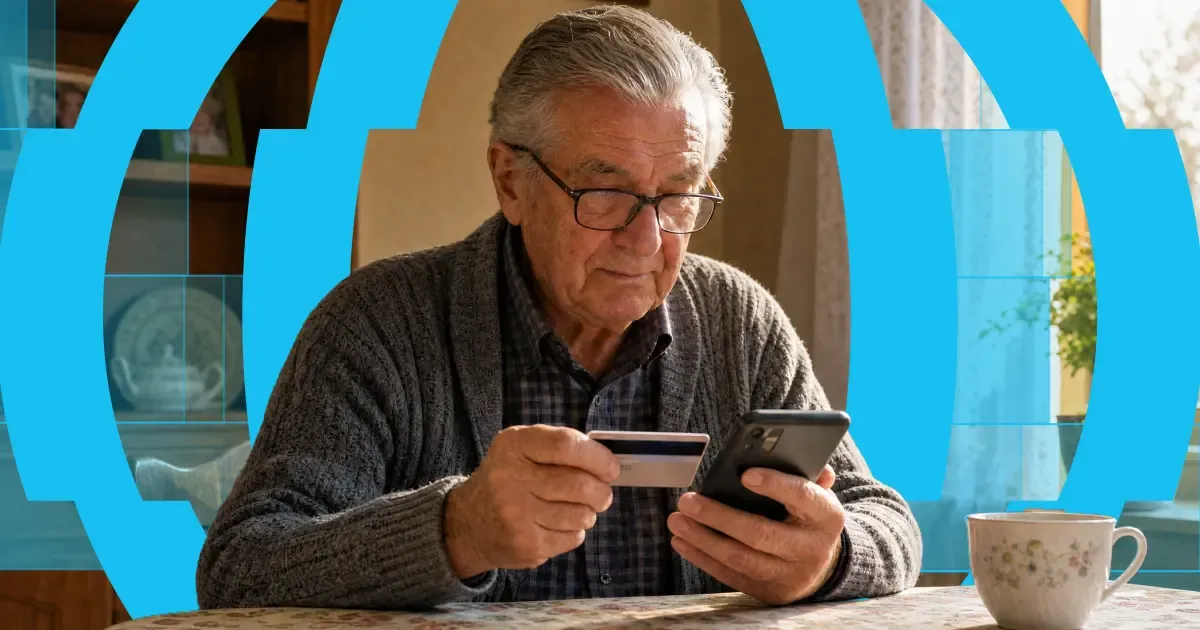
Here's the short answer: yes, you can use a credit card to get money into someone's bank account abroad. "Credit card to bank transfer" means exactly that — you fund the transfer with your credit card, and your recipient receives it in their bank account. Or on their card, in their wallet, or as cash to collect, depending on where they are.
The card and the bank account do different jobs. Your card pays for the transfer. A provider like Paysend then pays the money out through local systems on the other end. It's one flow, and it takes about a minute in the app.
One thing worth knowing before you start: a credit card is usually the most expensive way to fund a transfer. Some issuers treat it as a cash advance, and credit tends to carry higher payment fees than debit. You'll always see the full cost, exchange rate included, before you confirm anything. What follows is: the ways your money can arrive, what each one costs, how fast it gets there, and the cheaper routes worth checking first.

Chaque mois, des milliers de personnes travaillant en République tchèque envoient une partie de leur salaire chez elles — beaucoup sont des Ukrainiens qui soutiennent leur famille de l'autre côté de la frontière. Et la méthode traditionnelle complique ce qui devrait être simple : des virements bancaires qui exigent IBAN et codes SWIFT, des frais qui n'apparaissent qu'une fois l'argent parti, et des jours d'attente pendant que quelqu'un, chez soi, compte sur ce transfert.
Pavel Štich aide ses lecteurs à résoudre exactement ce problème depuis des années. Il est cofondateur et rédacteur en chef finance de Moneyo.cz, une plateforme tchèque indépendante qui compare les services de transfert d'argent, les courtiers en bourse et les investissements alternatifs — et Ambassadeur Paysend, ce qui signifie qu'il teste lui-même ce qu'il recommande, l'explique simplement, et fait bénéficier ses lecteurs d'avantages exclusifs. Nous lui avons demandé comment Moneyo a démarré, qui le lit, et pourquoi il a choisi Paysend.


