How to Say “Start” in Spanish — And When to Use It

If you’re learning Spanish or preparing for a trip to a Spanish-speaking country, one word you’ll want to get to grips with early on is “start.”
So let’s begin there:
The most common translation for “start” in Spanish is empezar.
It’s a verb that means “to start” or “to begin.” For example:
Vamos a empezar la clase. “We’re going to start the class.”
You might also see comenzar, which is a near synonym and used in much the same way. Depending on the country or region, one may be more common than the other – empezar is generally more widely used in everyday speech, while comenzar can sound slightly more formal or poetic.
Empezar vs Comenzar — What’s the difference?
Both verbs are regular (except empezar is a stem-changer in the present tense: empiezo, empiezas…) and mean essentially the same thing. In most contexts, they’re interchangeable:
- ¿A qué hora empieza la película? – What time does the movie start?
- La conferencia comenzará a las nueve. – The conference will start at nine.
You can think of it like the English difference between “start” and “commence” — same meaning, slightly different tone.
Other ways to say “Start” in Spanish
Depending on what you’re starting – an object, a machine, or an event – Spanish gives you a few other words too:
- Arrancar – to start a machine, engine or car
Arranca el coche. – Start the car. - Iniciar – to initiate something (formal, tech-related or procedural)
Inicia sesión aquí. – Start the session / Log in here. - Poner en marcha – to set something in motion (can be used figuratively)
Vamos a poner en marcha el proyecto. — Let’s get the project started.
Everyday situations where you’ll use “Start”
Whether you're planning a holiday in Spain, moving to Mexico, or just brushing up for a conversation class, here are a few real-life uses of "start":
- At school or work
¿Cuándo empieza la reunión? – When does the meeting start? - At the gym
Empecé una nueva rutina de ejercicios. – I started a new workout routine. - While travelling
El tour comienza a las 10 de la mañana. – The tour starts at 10 a.m. - With friends or family
Vamos a empezar la cena. – Let’s start dinner.
Bonus: How to say “I’m starting to…” in Spanish
If you want to express something like “I’m starting to learn Spanish” — easy! Use “empezar a infinitive”:
- Estoy empezando a aprender español. – I’m starting to learn Spanish.
- Empecé a trabajar aquí el año pasado. – I started working here last year.
Whether you’re starting a journey, a new habit, or a new chapter abroad, empezar is one of the most useful verbs you can add to your Spanish toolkit.
To recap:
- The main word for “start” is empezar
- Comenzar is also common, and slightly more formal
- You can also use arrancar (for cars), iniciar (for digital or formal processes), and poner en marcha (to get something going)
Keep learning, and start your Spanish the right way – with the right words.
Sending money? Do it with Paysend, and download the app for free.
Related posts:
Derniers messages

Chaque mois, des milliers de personnes travaillant en République tchèque envoient une partie de leur salaire chez elles — beaucoup sont des Ukrainiens qui soutiennent leur famille de l'autre côté de la frontière. Et la méthode traditionnelle complique ce qui devrait être simple : des virements bancaires qui exigent IBAN et codes SWIFT, des frais qui n'apparaissent qu'une fois l'argent parti, et des jours d'attente pendant que quelqu'un, chez soi, compte sur ce transfert.
Pavel Štich aide ses lecteurs à résoudre exactement ce problème depuis des années. Il est cofondateur et rédacteur en chef finance de Moneyo.cz, une plateforme tchèque indépendante qui compare les services de transfert d'argent, les courtiers en bourse et les investissements alternatifs — et Ambassadeur Paysend, ce qui signifie qu'il teste lui-même ce qu'il recommande, l'explique simplement, et fait bénéficier ses lecteurs d'avantages exclusifs. Nous lui avons demandé comment Moneyo a démarré, qui le lit, et pourquoi il a choisi Paysend.
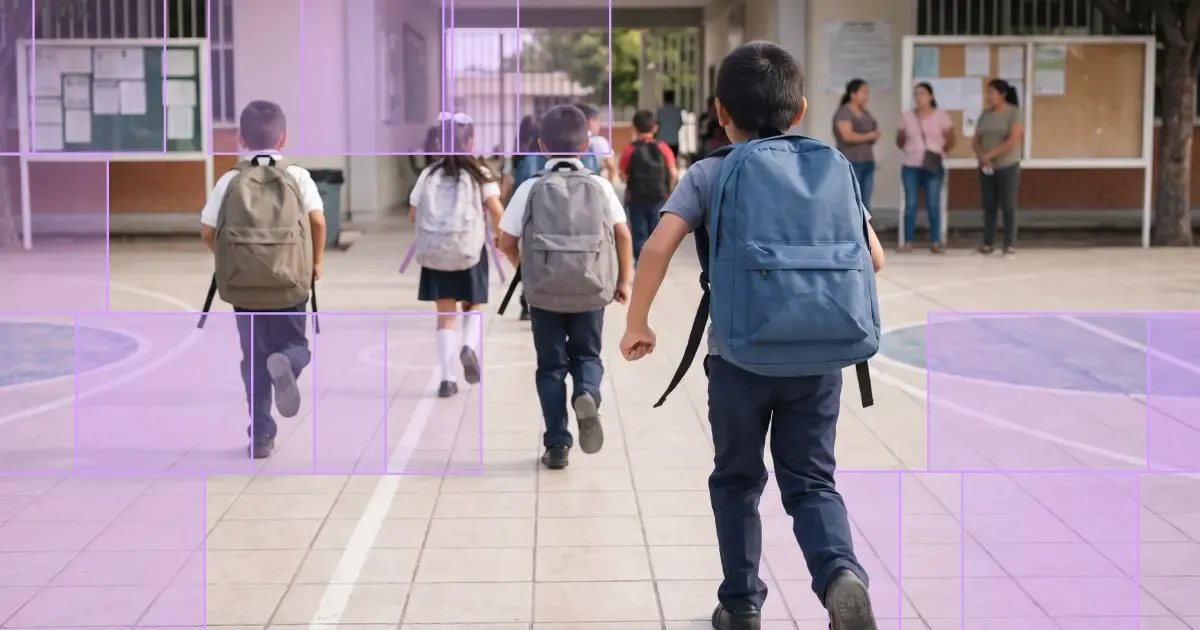
La rentrée scolaire est souvent l'une des périodes de l'année où l'éloignement avec ses proches se fait le plus sentir. C'est aussi l'une des plus coûteuses : fournitures scolaires, uniformes, frais de scolarité et dépenses du quotidien s'accumulent souvent en même temps. Pour aider leur famille à faire face à ces dépenses, de nombreuses personnes envoient de l'argent à leurs proches à l'étranger. Pour les accompagner pendant cette période, les nouveaux clients Paysend bénéficient d'un premier transfert sans frais, avec un taux de change plus avantageux, pendant la période de rentrée scolaire.
Que vous aidiez à payer les frais de scolarité ou les dépenses du quotidien, un transfert international vous permet de soutenir vos proches au moment où ils en ont le plus besoin. Avec Paysend, vous pouvez envoyer de l'argent dans plus de 170 pays grâce à des moyens de paiement simples et sécurisés. Voici comment vous inscrire gratuitement et profiter de l'offre.


