The International Day of Family Remittances

The International Day of Family Remittances (IDFR) is celebrated every year on 16 June.
A family remittance is the money sent by migrant workers to support their families and loved ones back home.
According to the International Organization for Migration (IOM) there are 258 million international migrants globally (or 3.4% of the global population) who live outside their countries of birth.
They often send money back home to provide their families with health, nutrition, education opportunities. Remittances to low- and middle-income countries are expected to reach $550 billion in 2019, according to the World Bank’s latest Migration and Development Brief.
Remittance companies
Banks continue to handle the majority of remittances. However in recent years online money services and fintech companies are emerging as mobile technologies make it easier and faster to send money worldwide and allow to reduce the costs.
But despite the changes, costs remain very high. According to the World Bank’s Remittance Prices Worldwide database in Q1 2019, the Global Average cost for sending $200 remained at 7 percent, roughly the same level as in previous quarters (figure 1.5)
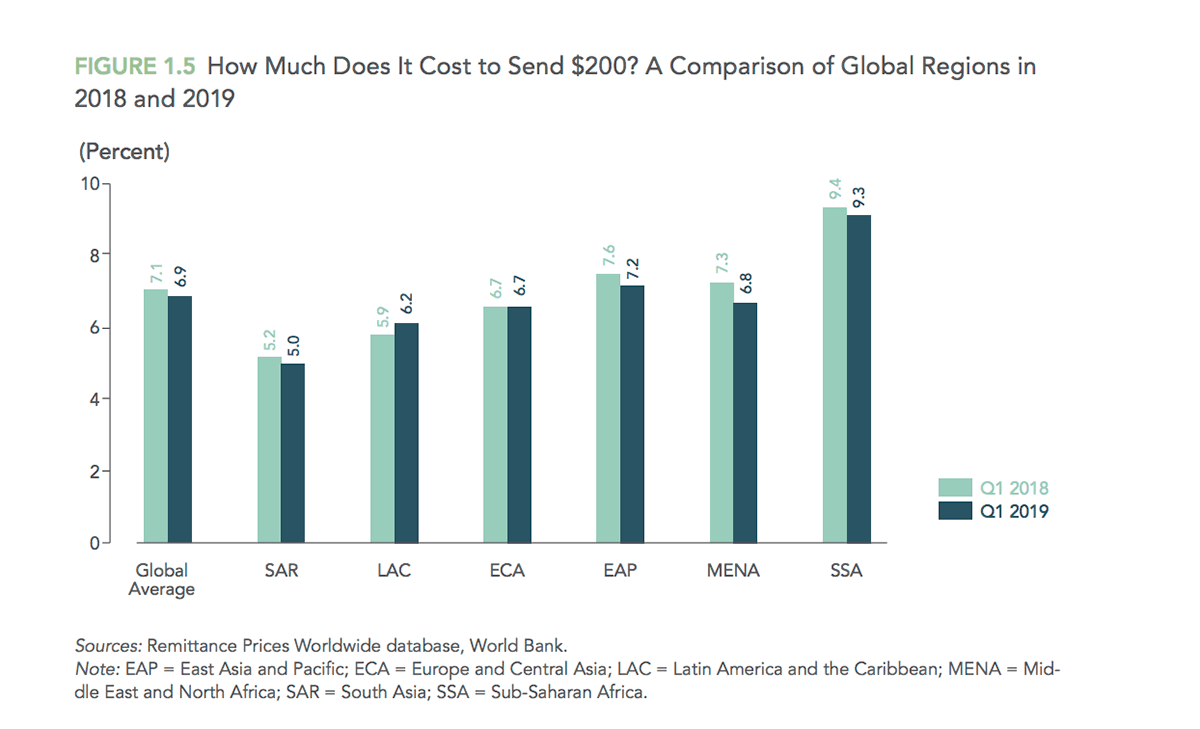
Banks are the most expensive remittance channels, charging an average fee of 10.2 percent in the first quarter of 2019. Post offices are the next most expensive, at over 7 percent.
In this case online money transfer services like Paysend can be the most convenient method of sending and receiving remittances.
Paysend, as the only global card-to-card money transfer network that currently operates in over 70 countries worldwide allow customers to transfer funds to any card overseas at a fixed price, using real exchange rate with no traditional fees.
For migrants and their families it’s time and cost-saving to send money with Paysend. Rather than spending a lot of time traveling to the bank, they can spend their time more effectively. With Paysend migrants can make a transfer from any location, at any time on the website or in the mobile app and check the total cost of sending. PaySend customers will also benefit from PaySend’s ability to send money at a fixed low price without any hidden fees or charges.
Online money services reduce security concerns associated with carrying cash
Using traditional methods, senders and recipients have to take the risk of carrying cash to or from the bank, making them susceptible to theft.
Sending and receiving remittances via Paysend allow to minimise these cash-handling risks.
At Paysend the recipients are able to see the incoming transfer and be able to immediately direct it to any Visa, MasterCard, UnionPay card or a bank account of their choice or withdraw cash at any ATM worldwide.
As part of the remittance industry, we are happy to support the observance of this day.
Here at Paysend we see on a daily basis just how vital that money is to individuals and families. We’re determined to make international money transfer cheaper, faster and simpler, and bring families closer together and help them stay connected across continents.
Thank you to all our customers who trust us with their hard-earned money to deliver it safely to their families.
Derniers messages
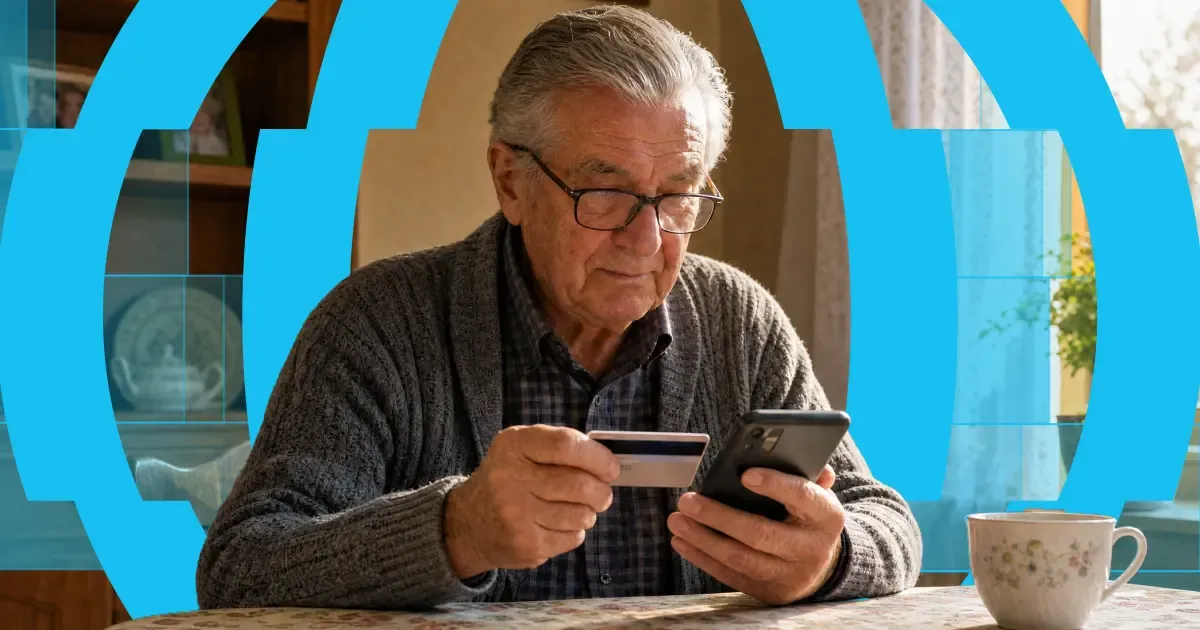
Here's the short answer: yes, you can use a credit card to get money into someone's bank account abroad. "Credit card to bank transfer" means exactly that — you fund the transfer with your credit card, and your recipient receives it in their bank account. Or on their card, in their wallet, or as cash to collect, depending on where they are.
The card and the bank account do different jobs. Your card pays for the transfer. A provider like Paysend then pays the money out through local systems on the other end. It's one flow, and it takes about a minute in the app.
One thing worth knowing before you start: a credit card is usually the most expensive way to fund a transfer. Some issuers treat it as a cash advance, and credit tends to carry higher payment fees than debit. You'll always see the full cost, exchange rate included, before you confirm anything. What follows is: the ways your money can arrive, what each one costs, how fast it gets there, and the cheaper routes worth checking first.

Chaque mois, des milliers de personnes travaillant en République tchèque envoient une partie de leur salaire chez elles — beaucoup sont des Ukrainiens qui soutiennent leur famille de l'autre côté de la frontière. Et la méthode traditionnelle complique ce qui devrait être simple : des virements bancaires qui exigent IBAN et codes SWIFT, des frais qui n'apparaissent qu'une fois l'argent parti, et des jours d'attente pendant que quelqu'un, chez soi, compte sur ce transfert.
Pavel Štich aide ses lecteurs à résoudre exactement ce problème depuis des années. Il est cofondateur et rédacteur en chef finance de Moneyo.cz, une plateforme tchèque indépendante qui compare les services de transfert d'argent, les courtiers en bourse et les investissements alternatifs — et Ambassadeur Paysend, ce qui signifie qu'il teste lui-même ce qu'il recommande, l'explique simplement, et fait bénéficier ses lecteurs d'avantages exclusifs. Nous lui avons demandé comment Moneyo a démarré, qui le lit, et pourquoi il a choisi Paysend.


