Driving in France as an American
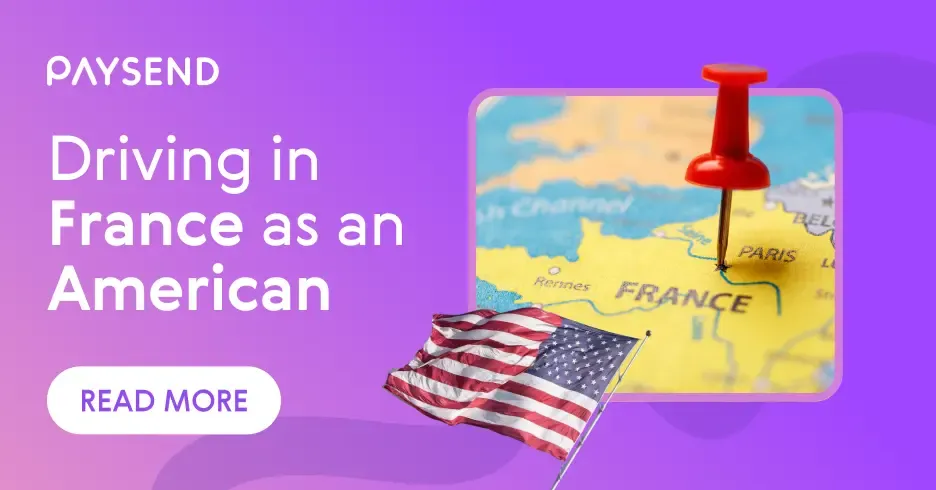
Planning a road trip through France? Driving in France as an American is a great way to explore charming villages, coastal routes, and wine country at your own pace. In this blog, you’ll find out what documents you need, how driving in France compares to the US, and what to know if you’re renting a car during your stay.
Do Americans Need an International Driving Permit in France?
Yes. If you’re visiting France as a tourist, you can drive using your valid US driver’s license along with an International Driving Permit (IDP). The IDP is a translation of your US license and is required by French authorities to legally drive. You can get one easily through AAA before traveling.
Documents Required for Driving in France
Essential documents include your US driver’s license, your IDP, passport, car registration papers, and proof of insurance. Failure to carry these can result in fines if stopped by the police.
Driving in France vs the US: Key Differences
In France, you drive on the right side of the road, just like in the US. However, speed limits are in kilometers per hour (e.g., 130 km/h on motorways). Many highways have toll booths (péages), so keep euros or a card ready. Drink-driving laws are stricter in France, with a blood alcohol limit of 0.05%, compared to 0.08% in most US states. Roundabouts are common, and drivers often need to give priority to the right in city streets, whereas US roads usually have clearer yield signage.
Renting a Car in France as an American
If you’re renting a car, the minimum age is usually 21, but drivers under 25 may face additional fees. You’ll need your US license, IDP, passport, and a credit card in the driver’s name. Basic insurance is typically included, but check the deductible amount. Fuel options include diesel and petrol, so confirm which your rental uses before filling up.
Tips for Driving in France
Book automatic cars in advance since manual transmissions are more common. Check your planned route for toll roads. Understand road signs such as “Rappel” (speed limit reminder) and “Sortie” (exit). Watch for speed cameras, especially near villages. For parking, blue zones require a parking disc, so check local rules to avoid fines.
Driving in France as an American is straightforward when you’re prepared with the correct documents and know the road rules. Whether you’re exploring Provence, Normandy’s coast, or the French Alps, a road trip lets you see more and travel on your own schedule.
Need to send money to France? From paying property deposits to supporting family abroad, Paysend offers fast, secure transfers with competitive exchange rates and no hidden fees.
The educational materials on this site are provided for informational purposes only and do not reflect the opinions of Central Bank of Kansas City, Member FDIC. Educational materials may contain links to content on third-party websites which are provided for your convenience; please note that linked sites may have a privacy and security policy different from our own, and we cannot attest to the accuracy of information. The Central Bank of Kansas City does not guarantee nor expressly endorse any particular business, product, service, or third-party content.
Derniers messages
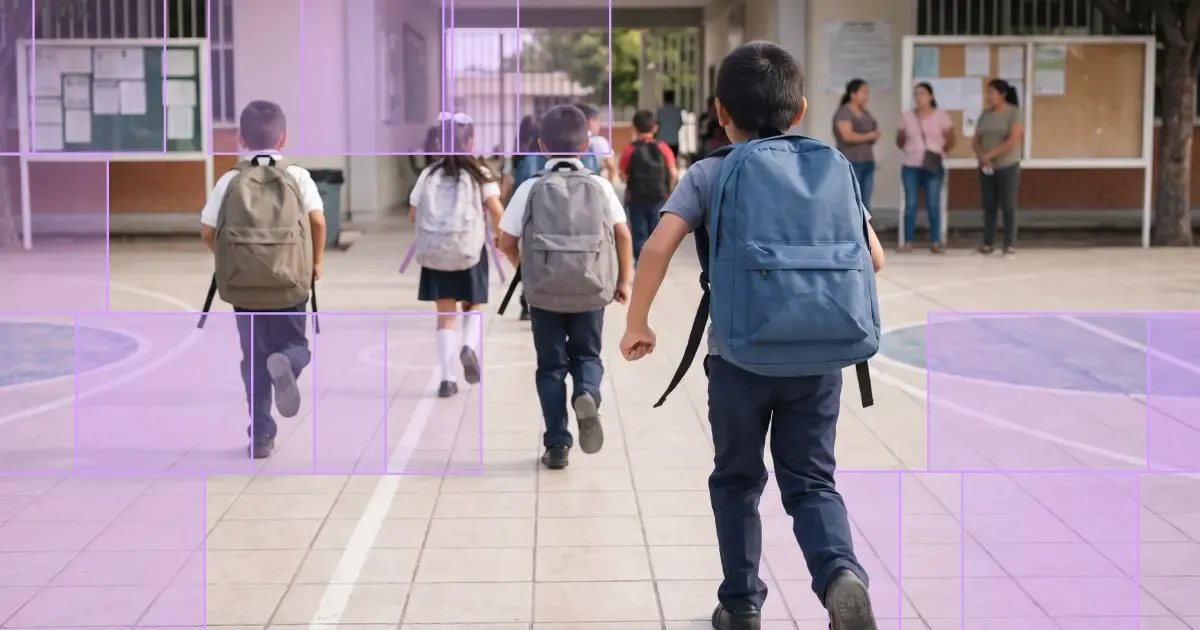
La rentrée scolaire est souvent l'une des périodes de l'année où l'éloignement avec ses proches se fait le plus sentir. C'est aussi l'une des plus coûteuses : fournitures scolaires, uniformes, frais de scolarité et dépenses du quotidien s'accumulent souvent en même temps. Pour aider leur famille à faire face à ces dépenses, de nombreuses personnes envoient de l'argent à leurs proches à l'étranger. Pour les accompagner pendant cette période, les nouveaux clients Paysend bénéficient d'un premier transfert sans frais, avec un taux de change plus avantageux, pendant la période de rentrée scolaire.
Que vous aidiez à payer les frais de scolarité ou les dépenses du quotidien, un transfert international vous permet de soutenir vos proches au moment où ils en ont le plus besoin. Avec Paysend, vous pouvez envoyer de l'argent dans plus de 170 pays grâce à des moyens de paiement simples et sécurisés. Voici comment vous inscrire gratuitement et profiter de l'offre.

Chaque mois, des milliers de personnes travaillant en République tchèque envoient une partie de leur salaire chez elles — beaucoup sont des Ukrainiens qui soutiennent leur famille de l'autre côté de la frontière. Et la méthode traditionnelle complique ce qui devrait être simple : des virements bancaires qui exigent IBAN et codes SWIFT, des frais qui n'apparaissent qu'une fois l'argent parti, et des jours d'attente pendant que quelqu'un, chez soi, compte sur ce transfert.
Pavel Štich aide ses lecteurs à résoudre exactement ce problème depuis des années. Il est cofondateur et rédacteur en chef finance de Moneyo.cz, une plateforme tchèque indépendante qui compare les services de transfert d'argent, les courtiers en bourse et les investissements alternatifs — et Ambassadeur Paysend, ce qui signifie qu'il teste lui-même ce qu'il recommande, l'explique simplement, et fait bénéficier ses lecteurs d'avantages exclusifs. Nous lui avons demandé comment Moneyo a démarré, qui le lit, et pourquoi il a choisi Paysend.


