A guide on how to pay overseas suppliers for SMEs

For small and medium-sized enterprises (SMEs), venturing into the global marketplace can be both exciting and daunting. One of the key challenges faced by SMEs engaged in international trade is figuring out the most efficient and secure way to pay overseas suppliers. In this blog post, we'll explore some essential strategies and tips to help SMEs navigate the complexities of international payments and establish successful relationships with their overseas partners.
1. Understand the Payment Options
Before diving into international transactions, it's crucial to understand the various payment methods available. Common methods include wire transfers, letters of credit, online payment platforms, and open account transactions. Each method has its pros and cons, so SMEs must carefully evaluate which option aligns with their business needs, budget, and risk tolerance.
2. Conduct Due Diligence
Thoroughly research and vet your overseas suppliers. Check their reputation, reliability, and track record in fulfilling orders. Obtain and verify their business credentials and seek references if necessary. Establishing trust with your suppliers is vital for smooth transactions.
3. Negotiate Favorable Terms
Negotiate clear payment terms with your suppliers before finalizing any deals. Discuss aspects such as payment currency, delivery schedules, discounts for early payments, and penalties for late payments. Clearly defined terms prevent misunderstandings and disputes down the line.
4. Consider Online Payment Platforms
Utilize secure online payment platforms like PayPal, Wise or Paysend. These platforms offer fast, convenient, and cost-effective ways to pay overseas suppliers. Paysend provides competitive exchange rates and low transaction fees, making them an attractive option for SMEs with limited budgets.
5. Explore Trade Financing Options
Investigate trade financing solutions offered by financial institutions. Export credit insurance, invoice financing, and letters of credit can provide SMEs with the necessary financial support and mitigate risks associated with international transactions. These options can help bridge the gap between the delivery of goods and receipt of payment.
6. Monitor Exchange Rates
Fluctuations in exchange rates can significantly impact the cost of international transactions. Keep an eye on currency exchange rates and consider hedging options to minimize the risk of adverse rate movements. Planning ahead and staying informed can help SMEs make informed decisions about when to make payments.
7. Stay Compliant with Regulations
International trade involves navigating complex regulations and compliance requirements. Familiarize yourself with import/export regulations, tax obligations, and any sanctions imposed on specific countries. Non-compliance can lead to delays, fines, or even legal consequences, which can harm your business reputation and finances.
Paying overseas suppliers is a crucial aspect of SMEs' international business endeavors. By understanding the available payment options, conducting due diligence, negotiating favorable terms, leveraging online payment platforms, exploring trade financing solutions, monitoring exchange rates, and staying compliant with regulations, SMEs can streamline their international payment processes and establish successful partnerships with suppliers worldwide.
Discover more about Paysend Business and how to unlock your international payments. Book a demo and get started today.
Latest Posts
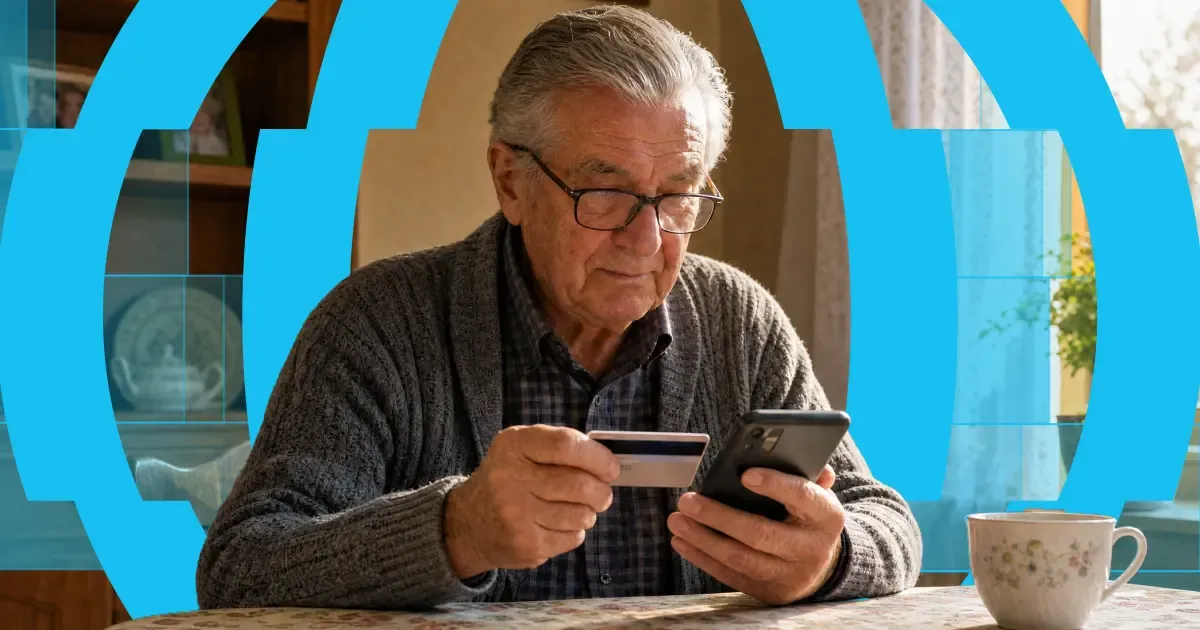
Here's the short answer: yes, you can use a credit card to get money into someone's bank account abroad. "Credit card to bank transfer" means exactly that — you fund the transfer with your credit card, and your recipient receives it in their bank account. Or on their card, in their wallet, or as cash to collect, depending on where they are.
The card and the bank account do different jobs. Your card pays for the transfer. A provider like Paysend then pays the money out through local systems on the other end. It's one flow, and it takes about a minute in the app.
One thing worth knowing before you start: a credit card is usually the most expensive way to fund a transfer. Some issuers treat it as a cash advance, and credit tends to carry higher payment fees than debit. You'll always see the full cost, exchange rate included, before you confirm anything. What follows is: the ways your money can arrive, what each one costs, how fast it gets there, and the cheaper routes worth checking first.

Every month, thousands of people working in the Czech Republic send part of their payday home — many of them Ukrainians supporting family across the border. And the traditional route makes it harder than it should be: bank wires that ask for IBANs and SWIFT codes, fees that only show up after the money's gone, and days of waiting while someone at home is counting on it.
Pavel Štich has spent years helping his readers solve exactly that. He's Co-Founder and Lead Financial Editor at Moneyo.cz, an independent Czech platform that compares money transfer services, stock brokers, and alternative investments — and a Paysend Ambassador, which means he tests what he recommends, explains it plainly, and brings his readers reader-only perks. We asked him how Moneyo started, who reads it, and why he chose Paysend.


