How to Say ‘How Many’ in Spanish (and Other Useful Question Words)

If you’re learning Spanish and want to ask questions about quantity, one of the most useful phrases to know is “¿Cuántos?”, which means “how many?” in Spanish. It’s the go-to word when asking about countable things – like how many people, how many apples, or how many days.
But there’s more to mastering questions in Spanish than just cuántos. In this guide, we’ll explore how to say how many, how much, and a few other essential question words that’ll help you navigate conversations, travel confidently, or just keep up in class.
How to Say “How Many” in Spanish
The Spanish phrase for how many is:
- ¿Cuántos? – when referring to masculine plural nouns
- ¿Cuántas? – when referring to feminine plural nouns
Spanish is a gendered language, so the ending changes depending on the noun you’re talking about.
Examples:
- ¿Cuántos hermanos tienes? – How many brothers do you have?
- ¿Cuántas maletas llevas? – How many suitcases are you taking?
Remember: cuántos and cuántas are only used for countable items – things you can number.
How to Say “How Much” in Spanish
To ask how much in Spanish, use:
- ¿Cuánto? – masculine singular
- ¿Cuánta? – feminine singular
These are used for uncountable nouns, like money, time, or water.
Examples:
- ¿Cuánto cuesta? – How much does it cost?
- ¿Cuánta agua bebes? – How much water do you drink?
If you’re ever unsure, just think: can I count it easily? If not, it’s probably cuánto.
Other related question words in Spanish
To round out your Spanish question skills, here are a few more helpful terms:
- ¿Qué? – What?
- ¿Quién? / ¿Quiénes? – Who? / Who (plural)?
- ¿Cuándo? – When?
- ¿Dónde? – Where?
- ¿Por qué? – Why?
- ¿Cómo? – How?
Each one can help you build more complete questions, like:
- ¿Cómo se dice…? – How do you say…?
- ¿Dónde está el banco? – Where is the bank?
Real-Life Use: Travelling or Sending Money Abroad
If you’re planning a trip to a Spanish-speaking country, or you regularly support family abroad, these basic phrases come in handy. Whether you're checking prices, asking how many days something takes, or talking about how much money to send, phrases like cuántos and cuánto are essential.
For example:
- ¿Cuánto dinero quieres enviar? – How much money do you want to send?
- ¿Cuántos días tardará la transferencia? – How many days will the transfer take?
Quick Reference: “How” Words in Spanish
| English | Spanish | When to Use |
| How many? | ¿Cuántos/Cuántas? | Countable nouns (e.g. apples, bags) |
| How much? | ¿Cuánto/Cuánta? | Uncountable nouns (e.g. water, time) |
| How? | ¿Cómo? | For manner, condition (e.g. How are you?) |
Whether you’re learning Spanish for travel, family, or daily life abroad, knowing how to ask questions – especially about quantities – is a must. Now that you know how to say how many and how much in Spanish, you’re one step closer to having confident, practical conversations.
Want to practise? Try building your own questions with cuánto and cuántos – and start noticing how often they come up in daily situations.
Sending money too? Do it with Paysend, and download the app for free.
Check out our related blogs:
Latest Posts
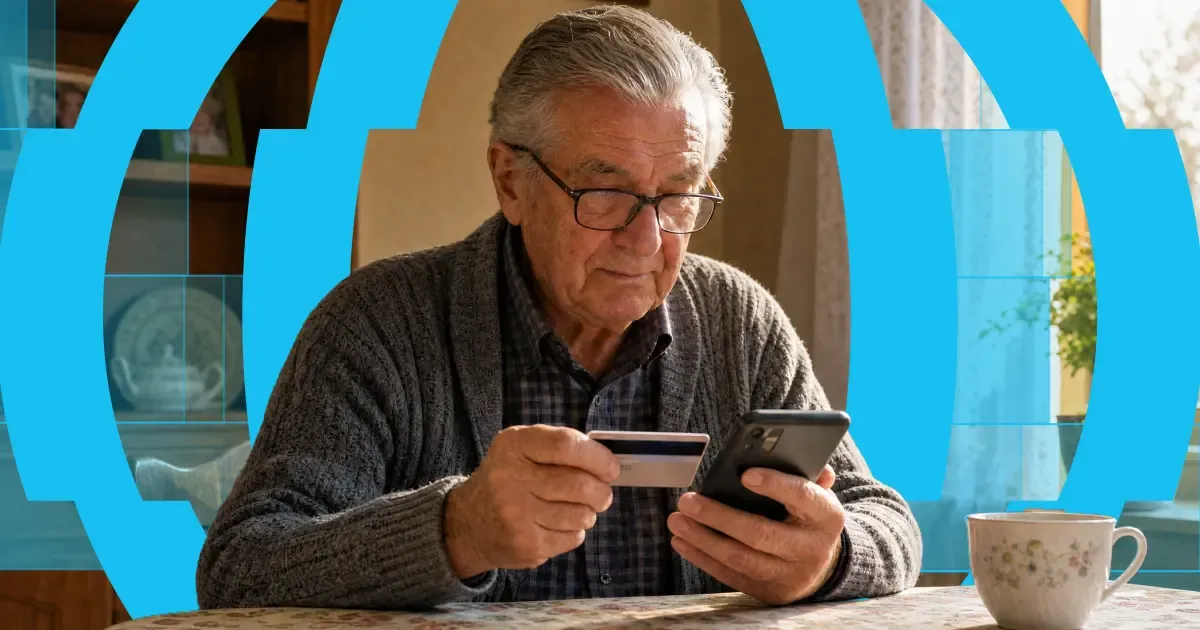
Here's the short answer: yes, you can use a credit card to get money into someone's bank account abroad. "Credit card to bank transfer" means exactly that — you fund the transfer with your credit card, and your recipient receives it in their bank account. Or on their card, in their wallet, or as cash to collect, depending on where they are.
The card and the bank account do different jobs. Your card pays for the transfer. A provider like Paysend then pays the money out through local systems on the other end. It's one flow, and it takes about a minute in the app.
One thing worth knowing before you start: a credit card is usually the most expensive way to fund a transfer. Some issuers treat it as a cash advance, and credit tends to carry higher payment fees than debit. You'll always see the full cost, exchange rate included, before you confirm anything. What follows is: the ways your money can arrive, what each one costs, how fast it gets there, and the cheaper routes worth checking first.

Every month, thousands of people working in the Czech Republic send part of their payday home — many of them Ukrainians supporting family across the border. And the traditional route makes it harder than it should be: bank wires that ask for IBANs and SWIFT codes, fees that only show up after the money's gone, and days of waiting while someone at home is counting on it.
Pavel Štich has spent years helping his readers solve exactly that. He's Co-Founder and Lead Financial Editor at Moneyo.cz, an independent Czech platform that compares money transfer services, stock brokers, and alternative investments — and a Paysend Ambassador, which means he tests what he recommends, explains it plainly, and brings his readers reader-only perks. We asked him how Moneyo started, who reads it, and why he chose Paysend.


