Paysend launches transfers to Humo accounts

We’re delighted to announce that we’ve launched money transfers to Humo accounts in Uzbekistan!
Humo is a national current account provider created in 2019 to create greater flexibility in how Uzbek people can hold and spend their money. People sending money to Uzbekistan with Paysend Global Transfers can now make card-to-card transfers to Humo accounts as well as Uzcard accounts.
Sending money to a Humo card account with Paysend costs just £1 or €1.5 (or equivalent amount), no matter how much money you want to send. We use competitive exchange rates and display the amount that will be received before you hit ‘send’, so you’ll always know exactly how much will arrive at the receiving end. We want to make your money transfers as transparent as possible!
Paysend first launched money transfers to Uzbekistan in November 2019, and since the launch, tens of thousands of Paysend users from over 40 countries have used the platform to send money to Uzbekistan.
Head to the Paysend Global Transfers app now to send money to a Humo account, or visit our homepage to find out exactly how much your recipient will receive in Uzbekistan!
Publikasi Terbaru
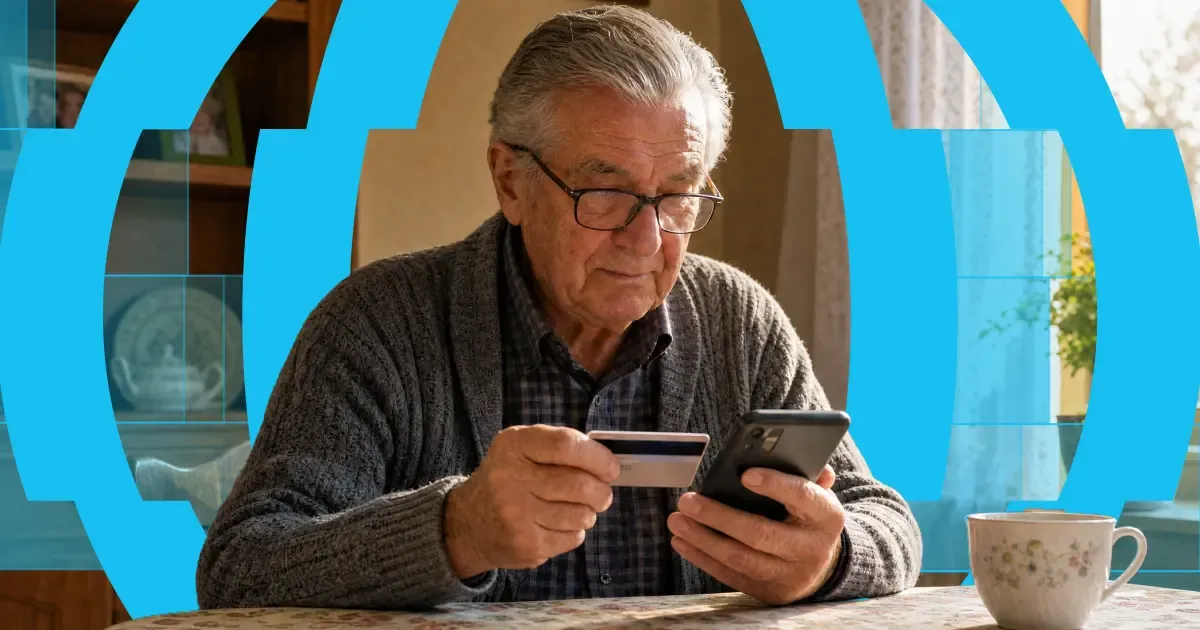
Here's the short answer: yes, you can use a credit card to get money into someone's bank account abroad. "Credit card to bank transfer" means exactly that — you fund the transfer with your credit card, and your recipient receives it in their bank account. Or on their card, in their wallet, or as cash to collect, depending on where they are.
The card and the bank account do different jobs. Your card pays for the transfer. A provider like Paysend then pays the money out through local systems on the other end. It's one flow, and it takes about a minute in the app.
One thing worth knowing before you start: a credit card is usually the most expensive way to fund a transfer. Some issuers treat it as a cash advance, and credit tends to carry higher payment fees than debit. You'll always see the full cost, exchange rate included, before you confirm anything. What follows is: the ways your money can arrive, what each one costs, how fast it gets there, and the cheaper routes worth checking first.

Every month, thousands of people working in the Czech Republic send part of their payday home — many of them Ukrainians supporting family across the border. And the traditional route makes it harder than it should be: bank wires that ask for IBANs and SWIFT codes, fees that only show up after the money's gone, and days of waiting while someone at home is counting on it.
Pavel Štich has spent years helping his readers solve exactly that. He's Co-Founder and Lead Financial Editor at Moneyo.cz, an independent Czech platform that compares money transfer services, stock brokers, and alternative investments — and a Paysend Ambassador, which means he tests what he recommends, explains it plainly, and brings his readers reader-only perks. We asked him how Moneyo started, who reads it, and why he chose Paysend.


