How to set up a business bank account

Setting up a business bank account is an important step for start-up founders, sole traders and other small businesses who have decided to set up on their own.
Business bank accounts are an important way of bringing all of your business finances together in a single, visible place, meanwhile streamlining your time and efforts and leaving you with more time for doing what you do best. And whether that’s running the world’s next biggest start-up or simply fixing someone’s dodgy pipes, setting up a simple and clear business bank account will change your business for the better.
Here are 3 essential tips when you decide to set up a business bank account:
1. Know your business requirements and goals
Before choosing which banking provider is best for you, you need to conduct a full assessment of your business, and work out which of your activities can be improved and streamlined by a banking provider. Then, you can figure out exactly what you need from your business banking account when you start looking.
2. Find the right banking provider for you
There are a huge number of business banking options available to you, offering varying degrees of service. You need to find one that integrates seamlessly into your business activities, offering the right level of flexibility, simplicity and expertise. For example, if you regularly make international payments, you should find a business banking company that specialises in low-cost international money transfers.
3. Make sure you have the right documentation
Setting up your business bank account should be a fast, simple and painless process, and you should be ready to go in no time. To ensure a speedy on-boarding process, make sure you have all the right documentation at hand.
Here’s a quick overview of the information you might need:
- Tax ID
- Official ID for all company directors
- Proof of address – recent bank statement, or utility bill, or council tax statement
- Company details (eg business address, contact details, name, company type, Companies House registration number)
- Estimated annual turnover
What should you expect from your business bank account?
With so many banking options available to your small business, there are some basic standards which you should expect from your banking provider. These include:
- Minimal fees
- Cheap international transfers
- Free business debit cards
- Clear and simple banking software
- Quick account set up
Paysend Business is a brand-new business banking platform specially designed for small businesses and sole traders who want flexible, simple and secure bank accounts to help them run their businesses. Starting a business account with Paysend takes minutes, and removes the slow and stressful process of setting up with a traditional and out-dated bank.
Paysend’s mission is to build a business world without borders. We’ve developed a future-proof mobile banking solution that helps ambitious and innovative businesses to take on the world. Join Paysend Business today and turn your brand from local to global.
Publikasi Terbaru
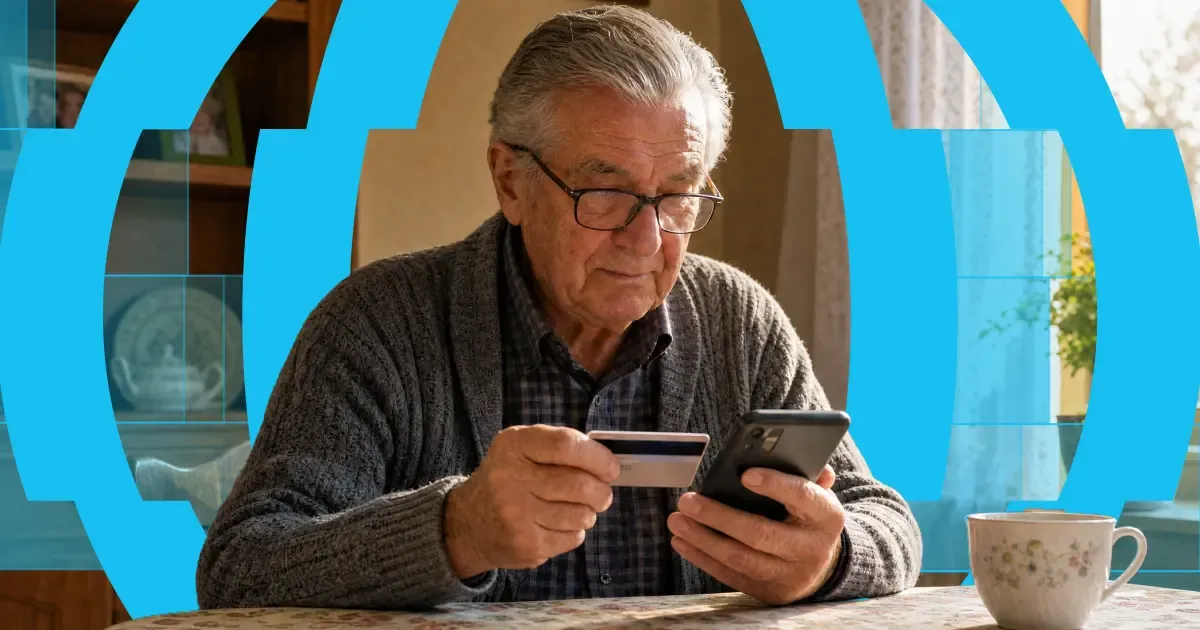
Here's the short answer: yes, you can use a credit card to get money into someone's bank account abroad. "Credit card to bank transfer" means exactly that — you fund the transfer with your credit card, and your recipient receives it in their bank account. Or on their card, in their wallet, or as cash to collect, depending on where they are.
The card and the bank account do different jobs. Your card pays for the transfer. A provider like Paysend then pays the money out through local systems on the other end. It's one flow, and it takes about a minute in the app.
One thing worth knowing before you start: a credit card is usually the most expensive way to fund a transfer. Some issuers treat it as a cash advance, and credit tends to carry higher payment fees than debit. You'll always see the full cost, exchange rate included, before you confirm anything. What follows is: the ways your money can arrive, what each one costs, how fast it gets there, and the cheaper routes worth checking first.

Back-to-school season can be one of the times of year you feel furthest from the people you love. It's also one of the most expensive – school supplies, uniforms, tuition, and everyday essentials all add up at once. Many people help cover these costs by sending money internationally to family abroad. To support that, new Paysend customers get a fee-free first transfer at a better exchange rate during the back-to-school period.
Whether you're helping pay for school or everyday expenses, an international transfer can get support to the people who need it, when they need it. Paysend lets customers send money to more than 170 countries through secure, straightforward payment methods — here's how to sign up for free and claim the offer.


