Preserving Culture in a Modern World: How the Philippines’ Indigenous Communities Keep Traditions Alive
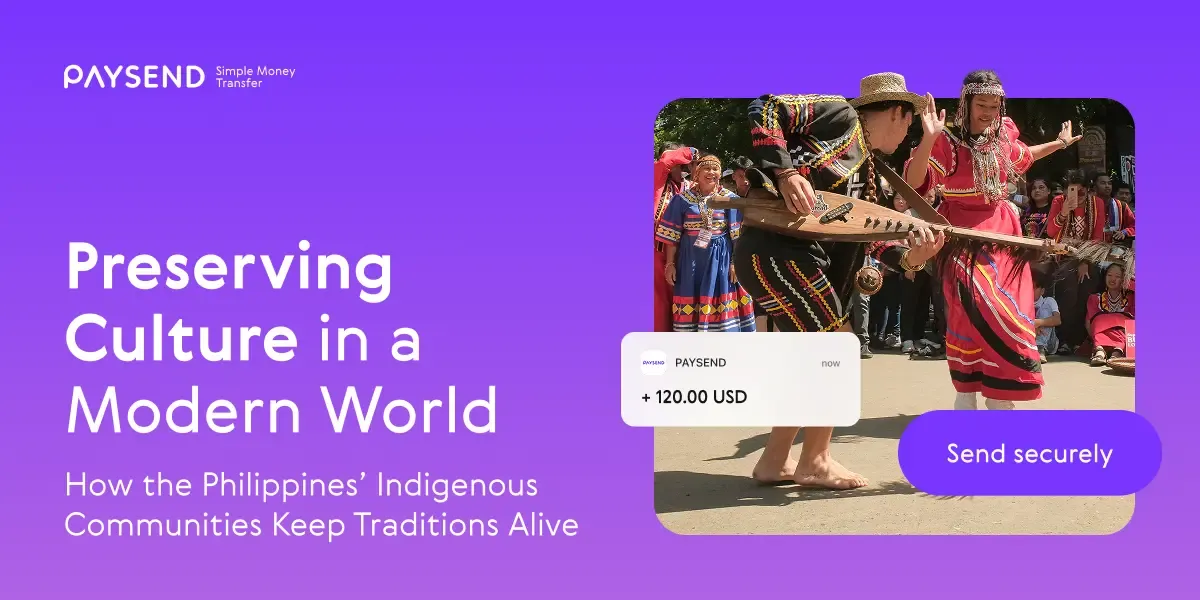
Every October, the Philippines celebrates National Indigenous Peoples’ Month, a time to honor the country’s original storytellers, builders and guardians of the land.
Across islands and generations, more than 100 Indigenous communities continue to keep centuries-old traditions alive, from weaving and farming to music, rituals and storytelling. In the mountains of the Cordilleras and the forests of Mindanao, you’ll find practices that have endured for generations. The Ifugao still tend to their ancient rice terraces, the T’boli weave T’nalak from dreams, and the Manobo pass on songs that tell the stories of their ancestors.
But in a world moving faster than ever, these communities face a challenge: how to protect what’s sacred while embracing what’s new.
Connection as a lifeline
For many families, connection goes beyond culture — it’s about staying close, even across distance.
Parents working abroad send money home to fund schooling, healthcare and local businesses that keep these traditions strong. Each transfer is more than a transaction; it’s a thread that ties communities together across oceans.
This is where Paysend plays a small but meaningful role. By making it simple, secure and fast to send money home, we help families support not just daily life but the legacy of their culture.
In many areas with limited digital connectivity, people prefer receiving money in cash. To accommodate the needs of the users, Paysend recently launched fast, easy cash payouts from the US to the Philippines.
Paysend is also pleased to share an important update: transfers of up to ₱50,000 to the Philippines are now delivered within seconds*
*Your money will be sent in real time; however, transfer delivery times may vary based on recipient bank processing, compliance checks, or other factors.
Honoring the past, empowering the future
National Indigenous Peoples’ Month reminds us that progress doesn’t mean leaving the past behind. It means building a world where tradition and technology move forward together.
From ancient crafts to digital tools, each story, skill and song deserves a place in tomorrow’s Philippines.
At Paysend, we believe inclusion means everyone, in every community, should have access to opportunity, connection and the power to grow on their own terms. This October, we celebrate the strength, creativity and pride of the Philippines’ Indigenous peoples — rooted in heritage, rising with purpose.
Ultimi post
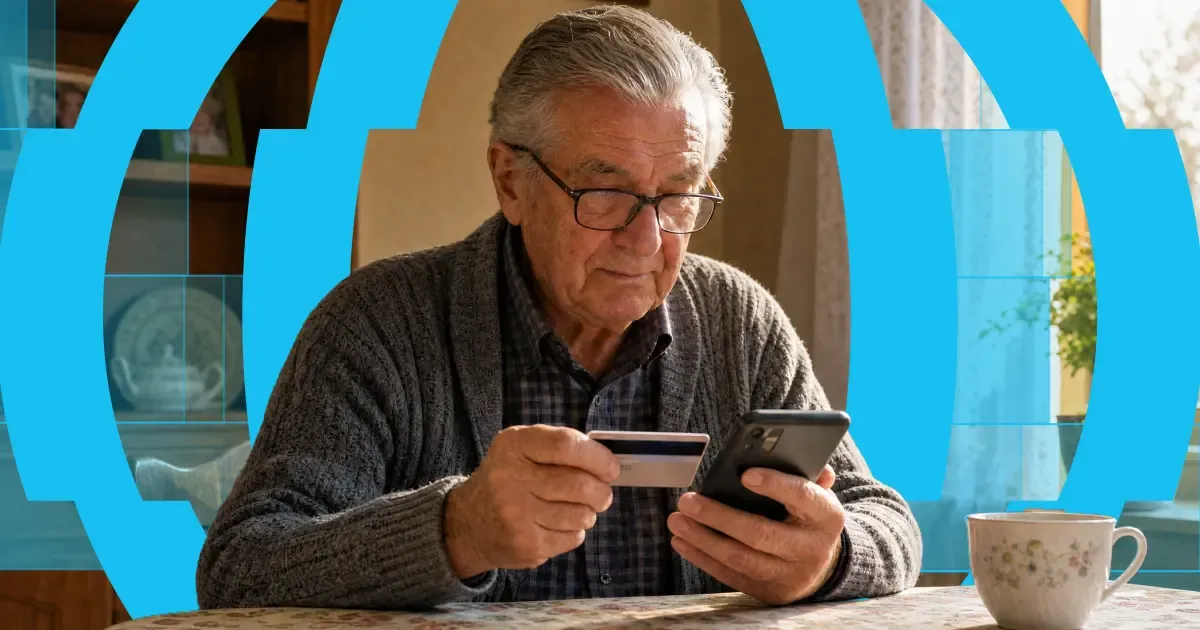
Here's the short answer: yes, you can use a credit card to get money into someone's bank account abroad. "Credit card to bank transfer" means exactly that — you fund the transfer with your credit card, and your recipient receives it in their bank account. Or on their card, in their wallet, or as cash to collect, depending on where they are.
The card and the bank account do different jobs. Your card pays for the transfer. A provider like Paysend then pays the money out through local systems on the other end. It's one flow, and it takes about a minute in the app.
One thing worth knowing before you start: a credit card is usually the most expensive way to fund a transfer. Some issuers treat it as a cash advance, and credit tends to carry higher payment fees than debit. You'll always see the full cost, exchange rate included, before you confirm anything. What follows is: the ways your money can arrive, what each one costs, how fast it gets there, and the cheaper routes worth checking first.
Ogni mese, migliaia di persone che lavorano nella Repubblica Ceca inviano una parte del proprio stipendio a casa; molti di loro sono cittadini ucraini che sostengono le proprie famiglie dall'altra parte del confine. E i metodi tradizionali rendono più complicato ciò che dovrebbe essere semplice: bonifici bancari che richiedono IBAN e codici SWIFT, commissioni che diventano visibili solo dopo l'invio del denaro e giorni di attesa mentre a casa qualcuno fa affidamento su quel trasferimento.
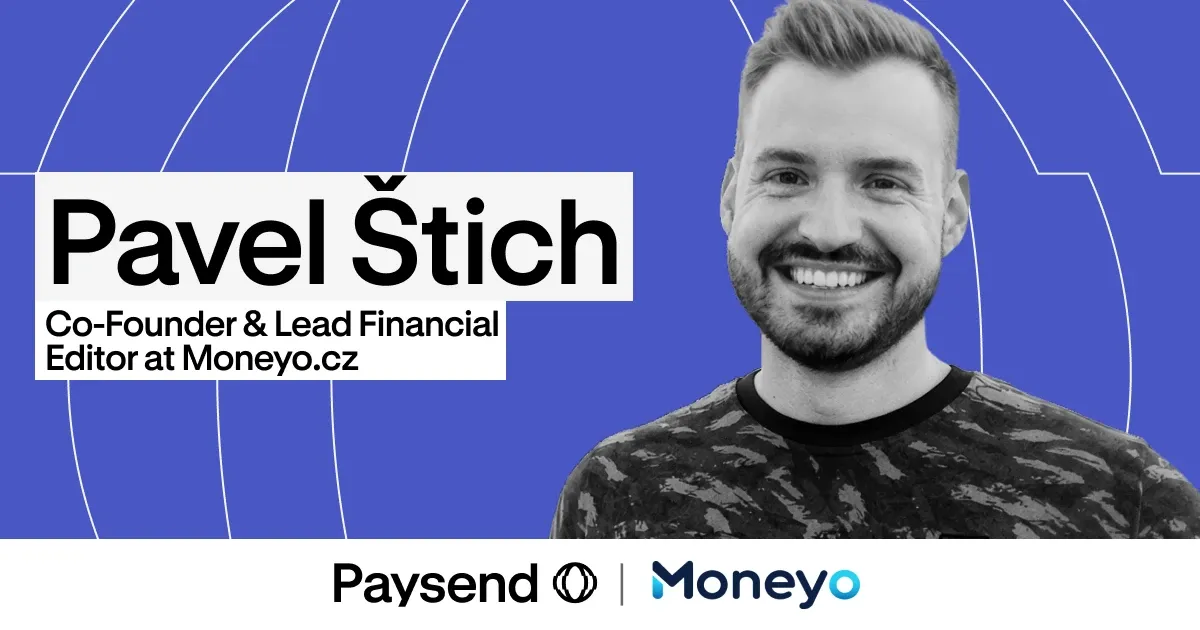
Pavel Štich aiuta da anni i suoi lettori a risolvere proprio questo problema. È cofondatore e caporedattore finanziario di Moneyo.cz, una piattaforma finanziaria ceca indipendente che mette a confronto servizi di trasferimento di denaro, broker e investimenti alternativi, oltre a essere Ambasciatore Paysend. Questo significa che prova personalmente ciò che consiglia, lo spiega in modo semplice e offre ai suoi lettori vantaggi esclusivi. Gli abbiamo chiesto come è nato Moneyo, chi sono i suoi lettori e perché ha scelto Paysend.


