How to Say Thankful in Spanish (and Other Ways to Say Thank You)

If you’ve ever found yourself in a Spanish-speaking country or chatting with Spanish-speaking friends, one word you’ll definitely want to know is “thankful.” So, let’s get straight to it:
The word for “thankful” in Spanish is agradecido (for men) or agradecida (for women). Estoy muy agradecido/a means “I’m very thankful.”
Gratitude is one of the most powerful human emotions — and learning how to express it in another language is a great way to connect with people on a deeper level. Whether you're a traveller, an expat or someone sending support across borders, knowing how to say “thankful” and “thank you” in Spanish adds a personal and respectful touch to your conversations.
In this blog, we’ll cover:
- How to say “thank you” in Spanish (plus a few useful variations)
- When to use each phrase
- Related expressions to show appreciation like a native speaker
How Do You Say “Thank You” in Spanish?
Let’s start with the basics. You probably already know:
- Gracias – Thank you
It’s the go-to word for almost every situation. But Spanish offers plenty of ways to expand on your gratitude, depending on how formal or enthusiastic you want to be:
- Muchas gracias – Thank you very much
- Mil gracias – A thousand thanks
- Muchísimas gracias – Thanks a million
- Gracias de todo corazón – Thank you from the bottom of my heart
- Estoy muy agradecido/a – I’m very thankful
- Te lo agradezco mucho – I really appreciate it
Travel Tip: Gratitude Goes a Long Way
If you’re travelling to countries like Spain, Mexico, Colombia or Argentina, speaking even a little Spanish shows appreciation and respect for local culture. Thanking your Airbnb host, a helpful taxi driver, or a local shop owner in their language creates a more authentic and meaningful connection.
Even if your Spanish isn’t perfect, saying gracias or agradecido/a can brighten someone’s day.
Other Helpful Gratitude Phrases in Spanish
Here are a few more ways to express and respond to gratitude:
To express appreciation:
- Lo aprecio – I appreciate it
- Estoy agradecido/a por… – I’m thankful for…
To respond when someone thanks you:
- De nada – You’re welcome
- Con gusto – With pleasure
- No hay de qué – Don’t mention it
- Es un placer – It’s a pleasure
Whether you’re on holiday, living abroad, or simply learning the language, expressing gratitude in Spanish is simple, heartfelt, and always appreciated. Start with agradecido/agradecida, then build up your vocabulary with the phrases we’ve covered here.
Sending money? Do it with Paysend, and download the app for free.
Want to go further? Check out our other helpful guides:
Ultimi post
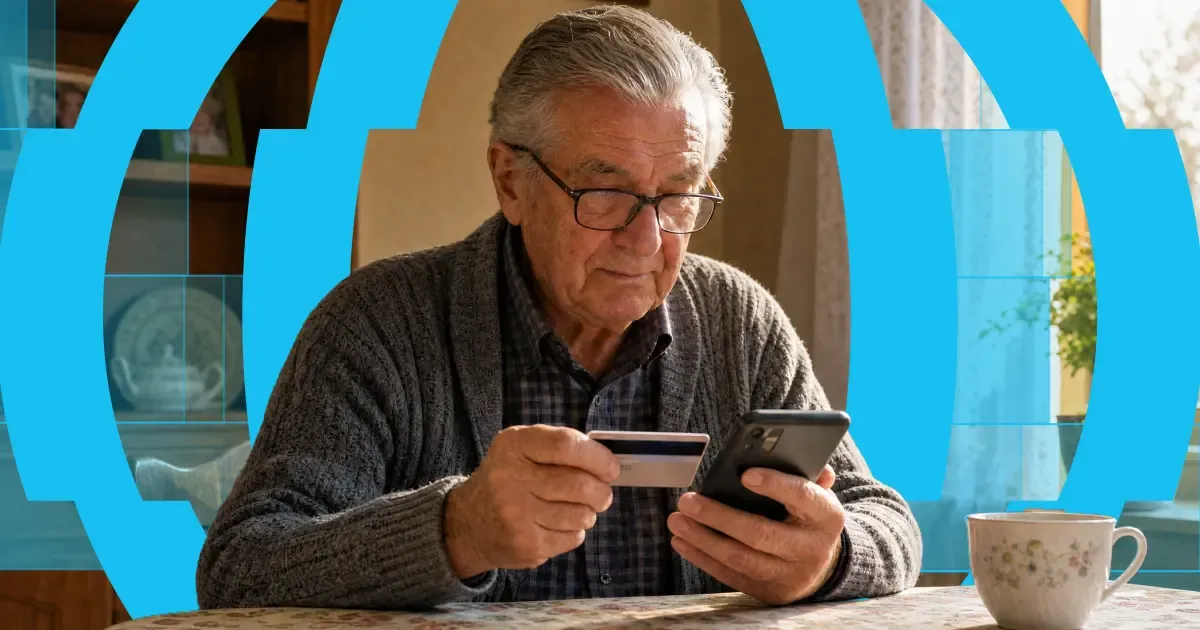
Here's the short answer: yes, you can use a credit card to get money into someone's bank account abroad. "Credit card to bank transfer" means exactly that — you fund the transfer with your credit card, and your recipient receives it in their bank account. Or on their card, in their wallet, or as cash to collect, depending on where they are.
The card and the bank account do different jobs. Your card pays for the transfer. A provider like Paysend then pays the money out through local systems on the other end. It's one flow, and it takes about a minute in the app.
One thing worth knowing before you start: a credit card is usually the most expensive way to fund a transfer. Some issuers treat it as a cash advance, and credit tends to carry higher payment fees than debit. You'll always see the full cost, exchange rate included, before you confirm anything. What follows is: the ways your money can arrive, what each one costs, how fast it gets there, and the cheaper routes worth checking first.

Ogni mese, migliaia di persone che lavorano nella Repubblica Ceca inviano una parte del proprio stipendio a casa; molti di loro sono cittadini ucraini che sostengono le proprie famiglie dall'altra parte del confine. E i metodi tradizionali rendono più complicato ciò che dovrebbe essere semplice: bonifici bancari che richiedono IBAN e codici SWIFT, commissioni che diventano visibili solo dopo l'invio del denaro e giorni di attesa mentre a casa qualcuno fa affidamento su quel trasferimento.
Pavel Štich aiuta da anni i suoi lettori a risolvere proprio questo problema. È cofondatore e caporedattore finanziario di Moneyo.cz, una piattaforma finanziaria ceca indipendente che mette a confronto servizi di trasferimento di denaro, broker e investimenti alternativi, oltre a essere Ambasciatore Paysend. Questo significa che prova personalmente ciò che consiglia, lo spiega in modo semplice e offre ai suoi lettori vantaggi esclusivi. Gli abbiamo chiesto come è nato Moneyo, chi sono i suoi lettori e perché ha scelto Paysend.


