Send money via Regular Bank Transfers using SEPA

Good news, if you are seeking a simple method of supporting loved ones internationally outside of the Eurozone for less, you are in luck! Paysend is here to help you send money quickly and affordably all over the globe.
Experience the freedom to move funds to a bank account, card or e-wallet fee-free via a SEPA, helping you send and save more at the click of a button.
So what is a SEPA bank transfer?
Traditionally a SEPA (Single Euro Payments Area) is a European payments network that enables you to send and receive payments in euros (€) between two cross-border bank accounts in the Eurozone, making it as easy and affordable as making a domestic bank transfer.
With Paysend’s international bank transfers, customers can move money via a SEPA just as quickly and affordably all over the world!
How to make international bank transfers via SEPA
When selecting to send money via a bank transfer Paysend automatically creates a temporary account for the corresponding banking partner.
By providing an invoice with a temporary SEPA account number, customers can transfer funds from a payment method of their choosing to this account, available for three business days, allowing your recipient to receive the funds automatically hassle-free.
Customers must transfer the exact amount they want their recipient to receive. The temporary account will reject any bank transfers contrary to the predetermined value.
Should you initiate a SEPA transfer of €500 and instead send €501 from your bank account, the SEPA transfer would cancel.
The transfer status will be visible on your profile.
To complete an international bank transfer via a Regular Bank Transfer, follow these three simple steps:
- Select the bank transfer funding option online or via the app
- Enter the recipient bank details and the amount you wish to send. We will then provide you with a receipt for the transfer.
- After receiving an invoice, send the exact amount from your bank to the temporary account listed.
- To help you get familiar, here is an example of an international bank transfer:
1. Select the Regular bank transfer funding option online or via the app

2.Enter the amount you wish to send and your recipient’s bank details. We will provide you with a receipt for the transfer and the corresponding IBAN to transfer funds.

3.After receiving an invoice and the login details, send the exact amount from your bank to the temporary account listed.

4.Receive confirmation of the transfer.

Ultimi post
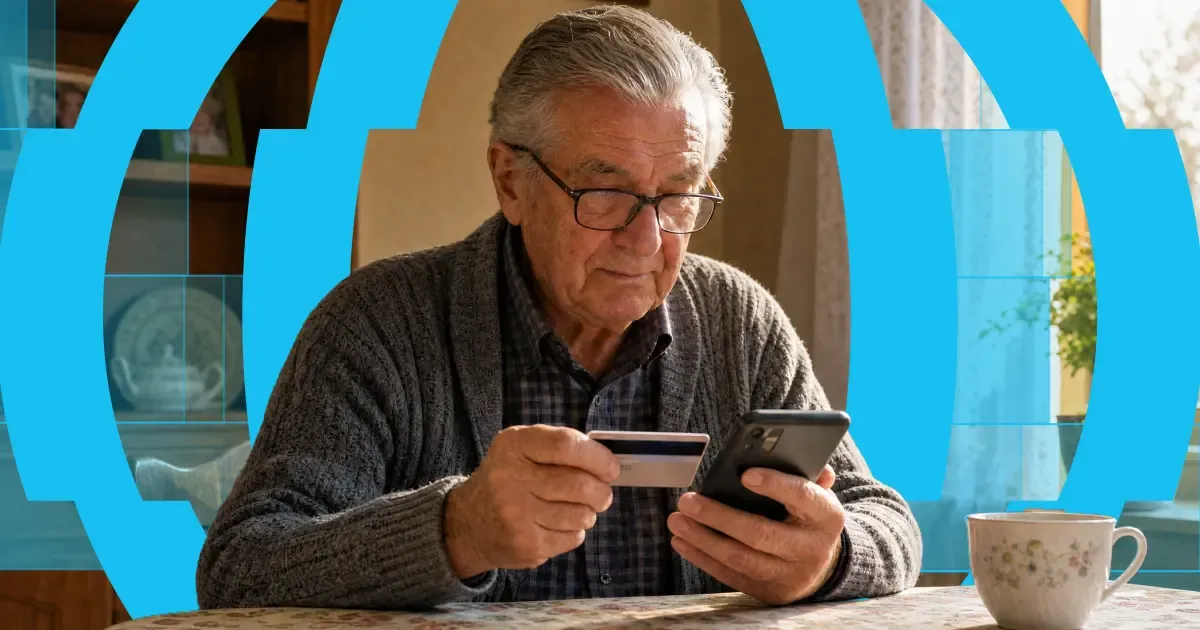
Here's the short answer: yes, you can use a credit card to get money into someone's bank account abroad. "Credit card to bank transfer" means exactly that — you fund the transfer with your credit card, and your recipient receives it in their bank account. Or on their card, in their wallet, or as cash to collect, depending on where they are.
The card and the bank account do different jobs. Your card pays for the transfer. A provider like Paysend then pays the money out through local systems on the other end. It's one flow, and it takes about a minute in the app.
One thing worth knowing before you start: a credit card is usually the most expensive way to fund a transfer. Some issuers treat it as a cash advance, and credit tends to carry higher payment fees than debit. You'll always see the full cost, exchange rate included, before you confirm anything. What follows is: the ways your money can arrive, what each one costs, how fast it gets there, and the cheaper routes worth checking first.

Ogni mese, migliaia di persone che lavorano nella Repubblica Ceca inviano una parte del proprio stipendio a casa; molti di loro sono cittadini ucraini che sostengono le proprie famiglie dall'altra parte del confine. E i metodi tradizionali rendono più complicato ciò che dovrebbe essere semplice: bonifici bancari che richiedono IBAN e codici SWIFT, commissioni che diventano visibili solo dopo l'invio del denaro e giorni di attesa mentre a casa qualcuno fa affidamento su quel trasferimento.
Pavel Štich aiuta da anni i suoi lettori a risolvere proprio questo problema. È cofondatore e caporedattore finanziario di Moneyo.cz, una piattaforma finanziaria ceca indipendente che mette a confronto servizi di trasferimento di denaro, broker e investimenti alternativi, oltre a essere Ambasciatore Paysend. Questo significa che prova personalmente ciò che consiglia, lo spiega in modo semplice e offre ai suoi lettori vantaggi esclusivi. Gli abbiamo chiesto come è nato Moneyo, chi sono i suoi lettori e perché ha scelto Paysend.


