A New U.S. Remittance Tax — Here’s What Paysend Customers Need to Know
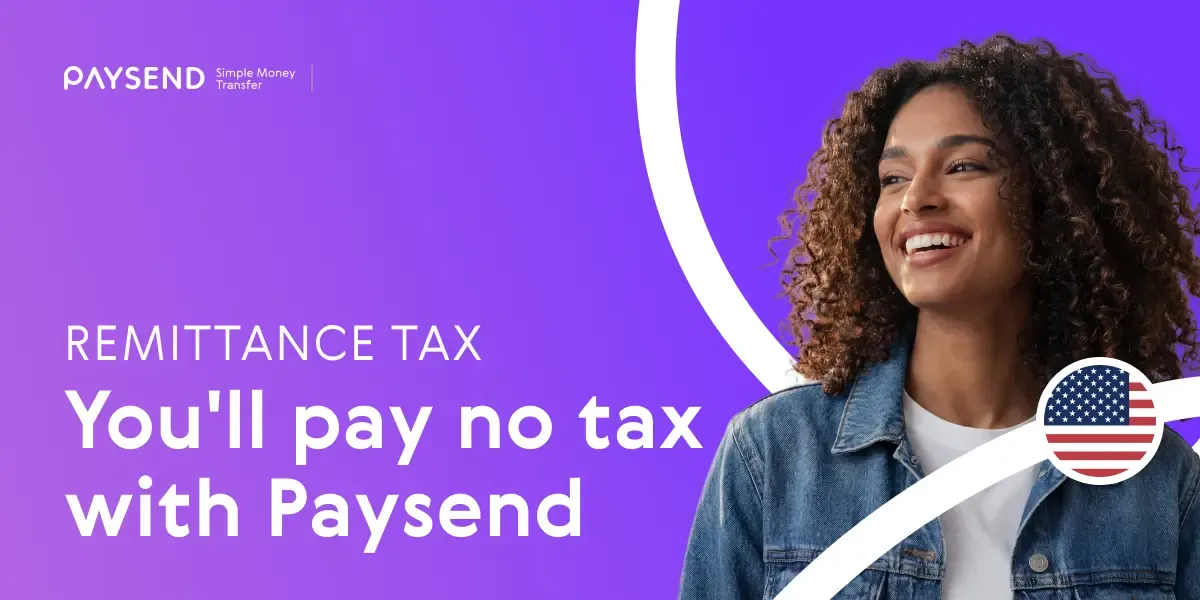
Starting January 1, 2026, a new U.S. federal rule introduced a 1% tax on certain international money transfers. If you send money abroad, you may have seen headlines or social posts raising questions — or concerns — about what this means for you.
Here’s the good news upfront:
Paysend customers won’t pay this tax.
In this blog, we explain what’s changing, who it affects, and why sending money with Paysend remains simple, transparent, and tax-free.
What Is the New Federal Remittance Tax?
Under a new U.S. government requirement — part of the One, Big, Beautiful Bill — a 1% federal tax will apply to certain outbound international money transfers from the United States beginning January 1, 2026.
This tax is:
- Mandated by the U.S. government
- Collected by providers when applicable
- Applied industry-wide, not by choice of individual companies
For more detailed information about the legislation and how the remittance tax is structured, we recommend reviewing the official bill documentation on the U.S. government’s website: Visit the One, Big, Beautiful Bill official page (link to full text of the law and provisions).
Who Does the Tax Apply To?
The 1% remittance tax only applies to transfers funded with cash or cash-equivalent payment methods, such as:
- Cash payments made in person at physical locations
- Money orders
- Cashier’s checks
- Similar cash-like instruments
These payment types are common with traditional, cash-based remittance providers.
Which Payment Methods Are Exempt?
Digital funding methods are generally exempt from the federal remittance tax, including:
- Bank transfers
- Debit cards
- Credit cards
- Digital wallets
And this is where Paysend is different.
Why Paysend Customers Don’t Pay the Tax
Paysend operates entirely through digital payment methods. There’s no cash funding — which means the new federal remittance tax does not apply to Paysend transfers.
If you send money with Paysend:
- No cash funding
- No remittance tax
- No changes to how you send
Your experience stays exactly the same with Paysend transfers — fast, transparent, and easy.
The Bottom Line - What to Expect
What’s changing
- A new federal tax exists for certain cash-funded international transfers
- Some providers may need to collect it depending on how customers pay
What’s not changing
- Paysend transfers remain tax-free
- Our rates, speed, and digital experience stay the same
- No action is required from Paysend customers
In short: If you send with Paysend, you’re covered.
No cash. No extra tax. No surprises.
If you have questions, our support team is here to help — and we’ll continue to keep you informed whenever changes matter to you.
The materials on this blog are provided for informational purposes only and do not reflect the opinions of Central Bank of Kansas City, Member FDIC. Blog posts may contain links to content on third-party websites, which are provided for your convenience; please note that linked sites may have a privacy and security policy different from our own, and we cannot attest to the accuracy of information. The Central Bank of Kansas City does not guarantee nor expressly endorse any particular business, product, service, or third-party content.
Ultimi post
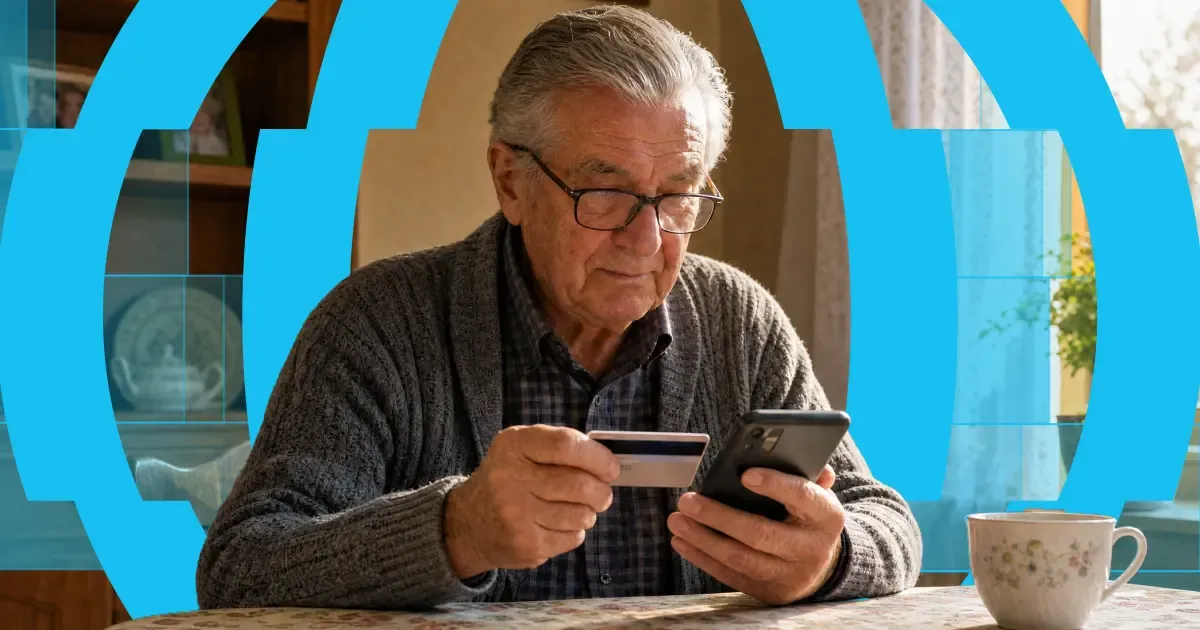
Here's the short answer: yes, you can use a credit card to get money into someone's bank account abroad. "Credit card to bank transfer" means exactly that — you fund the transfer with your credit card, and your recipient receives it in their bank account. Or on their card, in their wallet, or as cash to collect, depending on where they are.
The card and the bank account do different jobs. Your card pays for the transfer. A provider like Paysend then pays the money out through local systems on the other end. It's one flow, and it takes about a minute in the app.
One thing worth knowing before you start: a credit card is usually the most expensive way to fund a transfer. Some issuers treat it as a cash advance, and credit tends to carry higher payment fees than debit. You'll always see the full cost, exchange rate included, before you confirm anything. What follows is: the ways your money can arrive, what each one costs, how fast it gets there, and the cheaper routes worth checking first.

Ogni mese, migliaia di persone che lavorano nella Repubblica Ceca inviano una parte del proprio stipendio a casa; molti di loro sono cittadini ucraini che sostengono le proprie famiglie dall'altra parte del confine. E i metodi tradizionali rendono più complicato ciò che dovrebbe essere semplice: bonifici bancari che richiedono IBAN e codici SWIFT, commissioni che diventano visibili solo dopo l'invio del denaro e giorni di attesa mentre a casa qualcuno fa affidamento su quel trasferimento.
Pavel Štich aiuta da anni i suoi lettori a risolvere proprio questo problema. È cofondatore e caporedattore finanziario di Moneyo.cz, una piattaforma finanziaria ceca indipendente che mette a confronto servizi di trasferimento di denaro, broker e investimenti alternativi, oltre a essere Ambasciatore Paysend. Questo significa che prova personalmente ciò che consiglia, lo spiega in modo semplice e offre ai suoi lettori vantaggi esclusivi. Gli abbiamo chiesto come è nato Moneyo, chi sono i suoi lettori e perché ha scelto Paysend.


