How to Say “Start” in Spanish — And When to Use It

If you’re learning Spanish or preparing for a trip to a Spanish-speaking country, one word you’ll want to get to grips with early on is “start.”
So let’s begin there:
The most common translation for “start” in Spanish is empezar.
It’s a verb that means “to start” or “to begin.” For example:
Vamos a empezar la clase. “We’re going to start the class.”
You might also see comenzar, which is a near synonym and used in much the same way. Depending on the country or region, one may be more common than the other – empezar is generally more widely used in everyday speech, while comenzar can sound slightly more formal or poetic.
Empezar vs Comenzar — What’s the difference?
Both verbs are regular (except empezar is a stem-changer in the present tense: empiezo, empiezas…) and mean essentially the same thing. In most contexts, they’re interchangeable:
- ¿A qué hora empieza la película? – What time does the movie start?
- La conferencia comenzará a las nueve. – The conference will start at nine.
You can think of it like the English difference between “start” and “commence” — same meaning, slightly different tone.
Other ways to say “Start” in Spanish
Depending on what you’re starting – an object, a machine, or an event – Spanish gives you a few other words too:
- Arrancar – to start a machine, engine or car
Arranca el coche. – Start the car. - Iniciar – to initiate something (formal, tech-related or procedural)
Inicia sesión aquí. – Start the session / Log in here. - Poner en marcha – to set something in motion (can be used figuratively)
Vamos a poner en marcha el proyecto. — Let’s get the project started.
Everyday situations where you’ll use “Start”
Whether you're planning a holiday in Spain, moving to Mexico, or just brushing up for a conversation class, here are a few real-life uses of "start":
- At school or work
¿Cuándo empieza la reunión? – When does the meeting start? - At the gym
Empecé una nueva rutina de ejercicios. – I started a new workout routine. - While travelling
El tour comienza a las 10 de la mañana. – The tour starts at 10 a.m. - With friends or family
Vamos a empezar la cena. – Let’s start dinner.
Bonus: How to say “I’m starting to…” in Spanish
If you want to express something like “I’m starting to learn Spanish” — easy! Use “empezar a infinitive”:
- Estoy empezando a aprender español. – I’m starting to learn Spanish.
- Empecé a trabajar aquí el año pasado. – I started working here last year.
Whether you’re starting a journey, a new habit, or a new chapter abroad, empezar is one of the most useful verbs you can add to your Spanish toolkit.
To recap:
- The main word for “start” is empezar
- Comenzar is also common, and slightly more formal
- You can also use arrancar (for cars), iniciar (for digital or formal processes), and poner en marcha (to get something going)
Keep learning, and start your Spanish the right way – with the right words.
Sending money? Do it with Paysend, and download the app for free.
Related posts:
Ultimi post

Ogni mese, migliaia di persone che lavorano nella Repubblica Ceca inviano una parte del proprio stipendio a casa; molti di loro sono cittadini ucraini che sostengono le proprie famiglie dall'altra parte del confine. E i metodi tradizionali rendono più complicato ciò che dovrebbe essere semplice: bonifici bancari che richiedono IBAN e codici SWIFT, commissioni che diventano visibili solo dopo l'invio del denaro e giorni di attesa mentre a casa qualcuno fa affidamento su quel trasferimento.
Pavel Štich aiuta da anni i suoi lettori a risolvere proprio questo problema. È cofondatore e caporedattore finanziario di Moneyo.cz, una piattaforma finanziaria ceca indipendente che mette a confronto servizi di trasferimento di denaro, broker e investimenti alternativi, oltre a essere Ambasciatore Paysend. Questo significa che prova personalmente ciò che consiglia, lo spiega in modo semplice e offre ai suoi lettori vantaggi esclusivi. Gli abbiamo chiesto come è nato Moneyo, chi sono i suoi lettori e perché ha scelto Paysend.
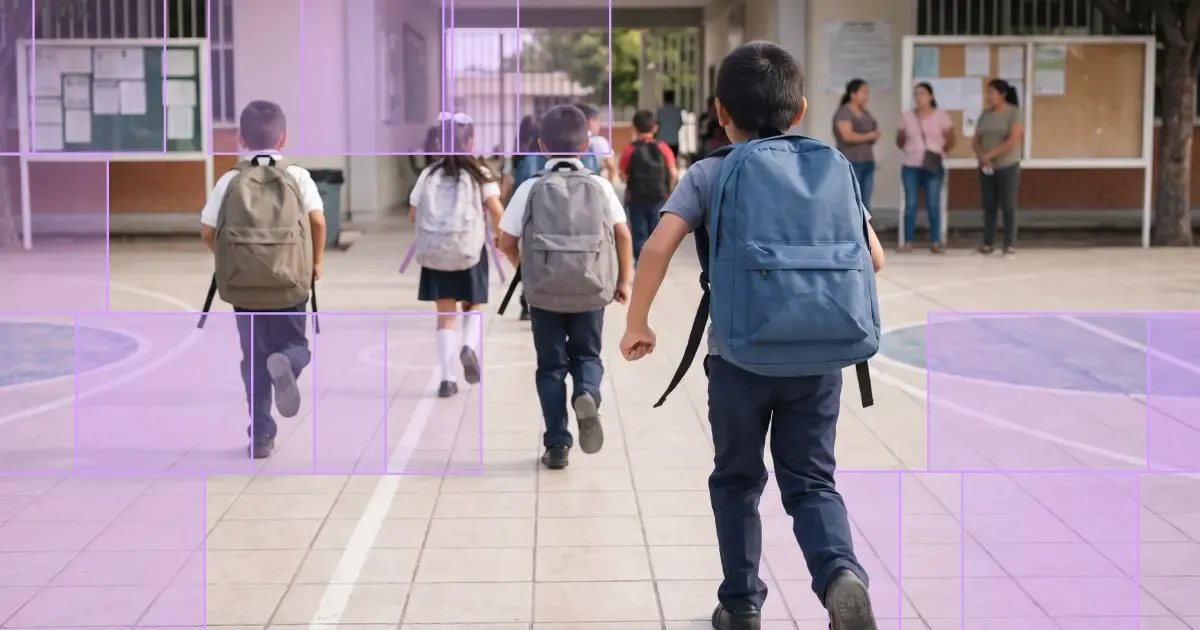
Il ritorno a scuola è uno di quei momenti dell'anno in cui si sente particolarmente la distanza dai propri cari. È anche uno dei periodi più costosi: materiale scolastico, uniformi, rette e spese quotidiane si concentrano spesso nello stesso periodo. Molte persone aiutano i propri familiari all'estero a coprire queste spese inviando loro del denaro. Per venire incontro a queste esigenze, i nuovi clienti Paysend possono effettuare il primo trasferimento senza commissioni e usufruire di un tasso di cambio più vantaggioso durante il periodo del ritorno a scuola.
Che si tratti di contribuire alle spese scolastiche o di aiutare a coprire le spese quotidiane, un trasferimento internazionale ti permette di sostenere i tuoi cari proprio quando ne hanno bisogno. Con Paysend puoi inviare denaro in oltre 170 Paesi utilizzando metodi di pagamento sicuri e convenienti. Ecco come registrarti gratuitamente e approfittare dell'offerta.


