Cross-border challenges for SMEs

With many businesses wanting to expand internationally, money transfer platforms such as Paysend provide digital financial solutions that can help to develop sellers' markets and grow a global customer base.
With our expert and reliable single-integrated API and fast and efficient onboarding process, customers can set up spending, sending and saving capital in no time, boosting their business beyond what you thought was possible.
Business owners must prepare for obstacles they may face when branching out. Thankfully, our platform is handy to help outline the most common challenges small and medium enterprises might meet when making and receiving payments overseas.
High cost
Cross-border payments can often be expensive due to the number of intermediaries involved in transferring money from one country to another, all of which charge fees for their services.
Paysend Business offers transparent and competitive pricing with no hidden fees. Users can experience one flat fee per transaction, with no additional currency conversion or card processing charges, keeping overheads low and budgeting more effectively.
Additional charges and foreign exchange rates can be an issue for SMEs. Luckily, Paysend is upfront and transparent with all of our rates.
Fragmented data formats
Paysend Business helps streamline payment processes and reduce the time and resources spent on the data entry and reconciliation processes. All of your payment needs are on one centralised and easy-to-use interface.
Security and fraud
Paysend is regulated by the Financial Conduct Authority (FCA) UK, adhering to strict security and compliance standards. Our platform uses advanced security features such as 3D Secure, encryption and fraud monitoring to protect businesses and their customers from fraud and unauthorised transactions.
Small business owners should always protect themselves against the potential of fraud. Investing in a trustworthy and secure money transfer service helps avoid suspicious third parties or unnecessary costs.
Customers can rest easy knowing that we provide a two-factor authentication login process that is PCI DSS compliant with end-to-end security.
Slower transactions
Cross-border payments can take several days or even weeks to complete due to the complexity of the payment process, including regulatory compliance, currency conversion and intermediaries' involvement.
At Paysend, we reduce that friction and provide an instant payout to cards, local and global faster payments through SWIFT, SEPA, Faster Payments, ACH and 12 more local payment options.
Business-to-business cross-border payments are typically more complex than consumer payments and require high-level security and compliance regulation.
Business owners should ensure they are up-to-date on country-specific regulations and sanctions to permit the movement of goods, services and capital. Fluctuation in the market can impact currency exchange rates and affect profitability. SMEs should be aware of currency risks and consider hedging strategies to mitigate issues.
Fees and Settlement Process
Cross-border transactions often come with additional fees, such as currency conversion, bank transfer and intermediary fees.
SMEs will consider alternative payment methods like direct payouts-to-cards and digital wallets to help reduce friction.
Fast and efficient payments correlate with healthy business growth. Receiving on-time and regular payouts will improve cash flow and project margin.
Trusted payment providers, such as Paysend, can help you navigate the complexities of cross-border transactions and ensure smooth and timely settlements.
Find out more about Paysend Business to take advantage of simple, instant and secure cross-border transfers for your business today.
Najnowsze posty
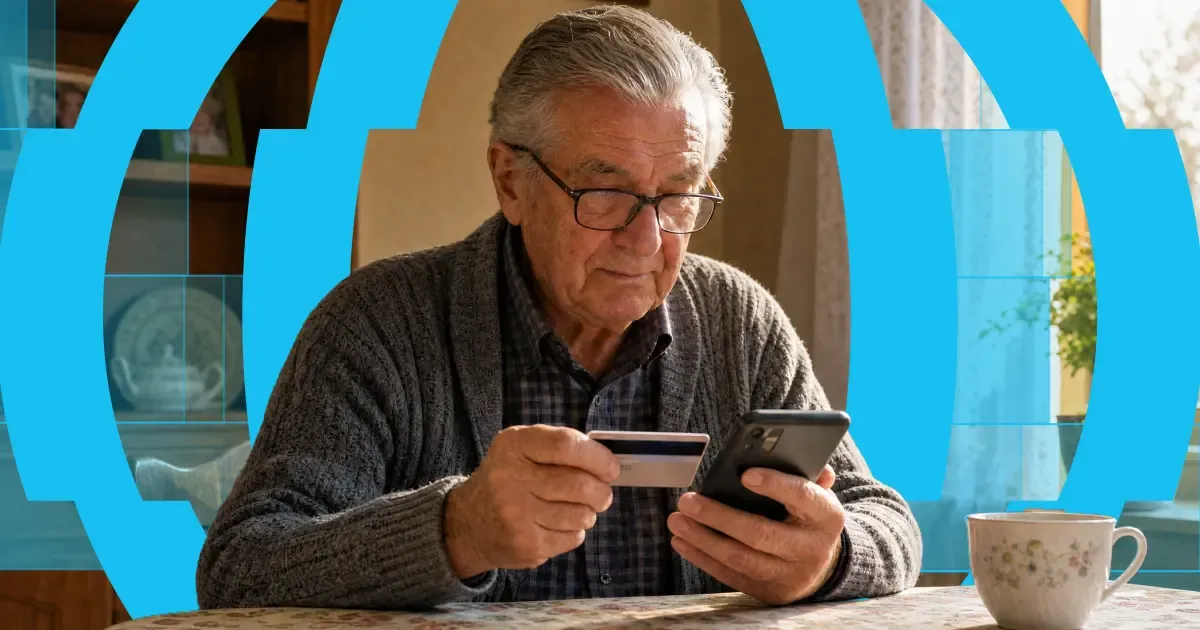
Here's the short answer: yes, you can use a credit card to get money into someone's bank account abroad. "Credit card to bank transfer" means exactly that — you fund the transfer with your credit card, and your recipient receives it in their bank account. Or on their card, in their wallet, or as cash to collect, depending on where they are.
The card and the bank account do different jobs. Your card pays for the transfer. A provider like Paysend then pays the money out through local systems on the other end. It's one flow, and it takes about a minute in the app.
One thing worth knowing before you start: a credit card is usually the most expensive way to fund a transfer. Some issuers treat it as a cash advance, and credit tends to carry higher payment fees than debit. You'll always see the full cost, exchange rate included, before you confirm anything. What follows is: the ways your money can arrive, what each one costs, how fast it gets there, and the cheaper routes worth checking first.

Co miesiąc tysiące osób pracujących w Czechach wysyła część wypłaty do domu — wielu z nich to Ukraińcy wspierający rodzinę za granicą. A tradycyjna droga utrudnia to, co powinno być proste: przelewy bankowe wymagające IBAN i kodów SWIFT, opłaty, które widać dopiero, gdy pieniądze już zniknęły, oraz dni oczekiwania, podczas gdy ktoś w domu na nie liczy.
Pavel Štich od lat pomaga swoim czytelnikom rozwiązywać dokładnie ten problem. Jest współzałożycielem i redaktorem naczelnym ds. finansów w Moneyo.cz — niezależnej czeskiej platformie, która porównuje usługi przekazów pieniężnych, brokerów giełdowych i alternatywne inwestycje — a także Ambasadorem Paysend, co oznacza, że osobiście testuje wszystko, co poleca, wyjaśnia to prostym językiem i daje swoim czytelnikom ekskluzywne korzyści. Zapytaliśmy go, jak powstało Moneyo, kto je czyta i dlaczego wybrał Paysend.


