Z myślą o przyszłości.
Przeczytaj najnowsze artykuły Paysend

Sending money abroad shouldn't mean queuing in a bank branch and filling out forms with codes you may never have heard of. An international money transfer moves your money from your account, card, or wallet in the US to someone else's account, card, or wallet in another country, and, above all, it should be simple, transparent, and reliable enough that you don't have to think twice about it.
Whether you're supporting family back home, paying for something abroad, or sending a gift for a birthday you can't be there for in person, the reason you're sending matters more than the mechanics. If you're new to Paysend, your first transfer comes with zero fee and a special exchange rate, so more of what you send actually arrives, and we'll show you how to claim it.
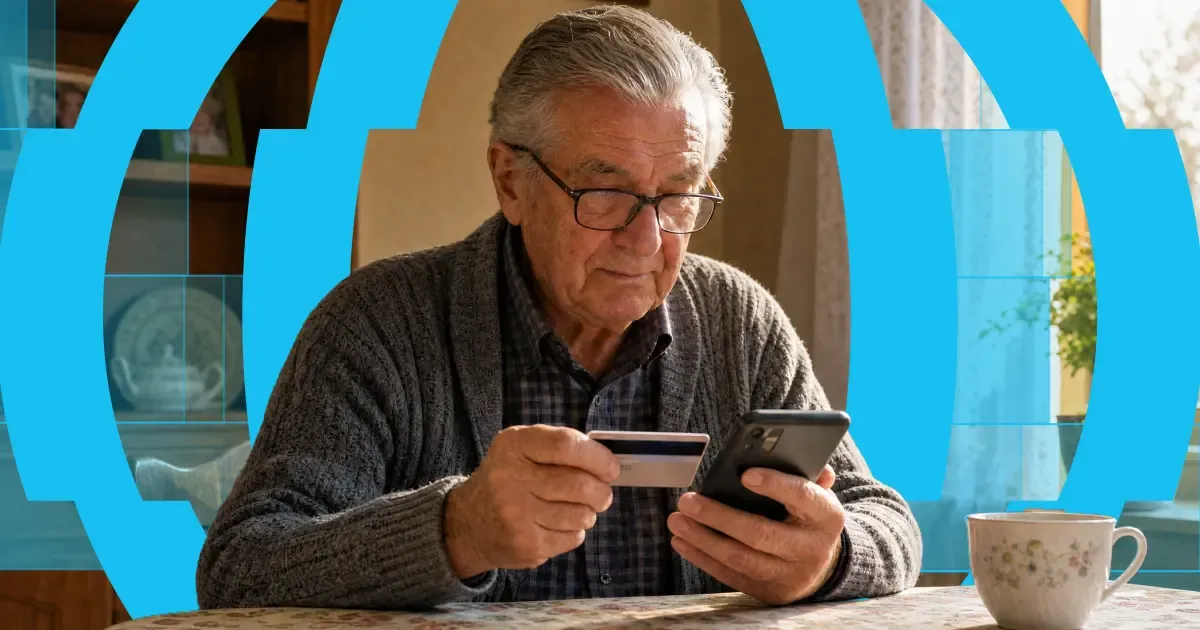
Here's the short answer: yes, you can use a credit card to get money into someone's bank account abroad. "Credit card to bank transfer" means exactly that — you fund the transfer with your credit card, and your recipient receives it in their bank account. Or on their card, in their wallet, or as cash to collect, depending on where they are.
The card and the bank account do different jobs. Your card pays for the transfer. A provider like Paysend then pays the money out through local systems on the other end. It's one flow, and it takes about a minute in the app.
One thing worth knowing before you start: a credit card is usually the most expensive way to fund a transfer. Some issuers treat it as a cash advance, and credit tends to carry higher payment fees than debit. You'll always see the full cost, exchange rate included, before you confirm anything. What follows is: the ways your money can arrive, what each one costs, how fast it gets there, and the cheaper routes worth checking first.

Początek roku szkolnego to jeden z tych momentów, kiedy szczególnie odczuwamy odległość od bliskich. To także jeden z najbardziej kosztownych okresów w roku: przybory szkolne, mundurki, czesne i codzienne wydatki trzeba często pokryć mniej więcej w tym samym czasie. Wiele osób pomaga rodzinie za granicą pokryć te koszty, wysyłając pieniądze. Aby pomóc w takich wydatkach, nowi klienci Paysend mogą wykonać pierwszy przelew bez opłat i po korzystniejszym kursie wymiany w okresie rozpoczęcia roku szkolnego.
Niezależnie od tego, czy pomagasz opłacić naukę, czy pokryć codzienne wydatki, przelew międzynarodowy pozwala wesprzeć bliskich dokładnie wtedy, gdy jest to najbardziej potrzebne. Z Paysend możesz wysyłać pieniądze do ponad 170 krajów za pomocą wygodnych metod płatności — poniżej dowiesz się, jak bezpłatnie się zarejestrować i skorzystać z oferty.

Co miesiąc tysiące osób pracujących w Czechach wysyła część wypłaty do domu — wielu z nich to Ukraińcy wspierający rodzinę za granicą. A tradycyjna droga utrudnia to, co powinno być proste: przelewy bankowe wymagające IBAN i kodów SWIFT, opłaty, które widać dopiero, gdy pieniądze już zniknęły, oraz dni oczekiwania, podczas gdy ktoś w domu na nie liczy.
Pavel Štich od lat pomaga swoim czytelnikom rozwiązywać dokładnie ten problem. Jest współzałożycielem i redaktorem naczelnym ds. finansów w Moneyo.cz — niezależnej czeskiej platformie, która porównuje usługi przekazów pieniężnych, brokerów giełdowych i alternatywne inwestycje — a także Ambasadorem Paysend, co oznacza, że osobiście testuje wszystko, co poleca, wyjaśnia to prostym językiem i daje swoim czytelnikom ekskluzywne korzyści. Zapytaliśmy go, jak powstało Moneyo, kto je czyta i dlaczego wybrał Paysend.


