VP of Strategic Enterprise Partnerships

By Chris Yip, Head of Commercial, Paysend Enterprise (Central Asia & Asia Pacific)
When it comes to payments, Asia is unlike anywhere else.
In Singapore, QR codes are part of daily life. In India, UPI has redefined digital commerce. In Indonesia, mobile wallets are the go-to choice for millions. The only constant across these markets? Diversity.
The Scale of Transformation
Asia Pacific leads the world in non-cash transactions: over 1.4 trillion in 2023, and growing fast.
This growth isn’t just about numbers. It’s about the pace of innovation and the diversity of options driving financial inclusion. Mobile wallets and alternative payment methods are now poised to outpace cards in several key markets. Meanwhile, cross-border e-commerce continues to surge, putting new pressure on enterprises to modernize their payment infrastructure.
At Paysend, we see this as more than a regional trend, it’s part of our mission. We’re building the world’s largest digital payment network, one that can connect people and businesses seamlessly, breaking barriers that have long made cross-border money movement complex and costly.
The Challenge for Global Businesses
For enterprises operating in Asia, diversity brings both opportunity and complexity.
How do you offer payment methods that feel local — without building separate systems for every market?
How do you manage compliance, FX, and settlement when rules differ from Sydney to Seoul?
And how do you ensure your partners, sellers, and gig workers get paid instantly, securely, and in the format they trust most?
These are the main pain points in cross-border money transfer — and they’re only intensifying as the region scales. The businesses that succeed in Asia will be those that can adapt quickly, localize intelligently, and prioritize reliability above all else.
How Paysend Simplifies the Complexity
That’s where Paysend comes in.
Through a single API, enterprises can access an integrated network that connects Visa Direct, Mastercard Send, and local payment schemes — all within one seamless platform.
Our infrastructure is designed to handle the diversity of Asia, giving businesses the ability to:
- Push funds instantly to a card in Vietnam,
- Pay a freelancer in the Philippines, or
- Settle with a seller in Malaysia —
without managing multiple vendors or compliance frameworks.
It’s the simplest way to operate in one of the world’s most complex payment environments — and a cornerstone of our mission to bring simple money transfer to all, including the underserved.
Real-World Possibilities
Imagine:
- A global marketplace disbursing seller payouts across Southeast Asia in minutes, not days, boosting liquidity and trust.
- A ride-hailing platform paying drivers instantly across multiple countries without navigating a maze of local banking systems.
- A cross-border SaaS company settling with affiliates in Japan, India, and Australia through a single API.
By removing friction and fragmentation, Paysend helps enterprises focus on growth — not the mechanics of getting money where it needs to go.
Asia Is Already the Future of Payments
It’s diverse, dynamic, and digital-first – a region that sets the pace for the rest of the world.
For global enterprises, the question is no longer whether Asia is ready for digital payments. It’s whether your payout strategy is ready for Asia.
Turn Complexity into Competitive Advantage
With a unified payout strategy powered by Paysend Enterprise, businesses can embrace Asia’s payments diversity – not as a challenge, but as an advantage.
Because when you simplify cross-border payments, you do more than streamline operations — you help drive inclusion, innovation, and opportunity for everyone connected to your business.
That’s how we’re breaking barriers and building the world’s largest digital payment network — one transaction at a time.
The educational materials on this site are provided for informational purposes only and do not reflect the opinions of Central Bank of Kansas City, Member FDIC. Educational materials may contain links to content on third-party websites which are provided for your convenience; please note that linked sites may have a privacy and security policy different from our own, and we cannot attest to the accuracy of information. The Central Bank of Kansas City does not guarantee nor expressly endorse any particular business, product, service, or third-party content.
Najnowsze posty
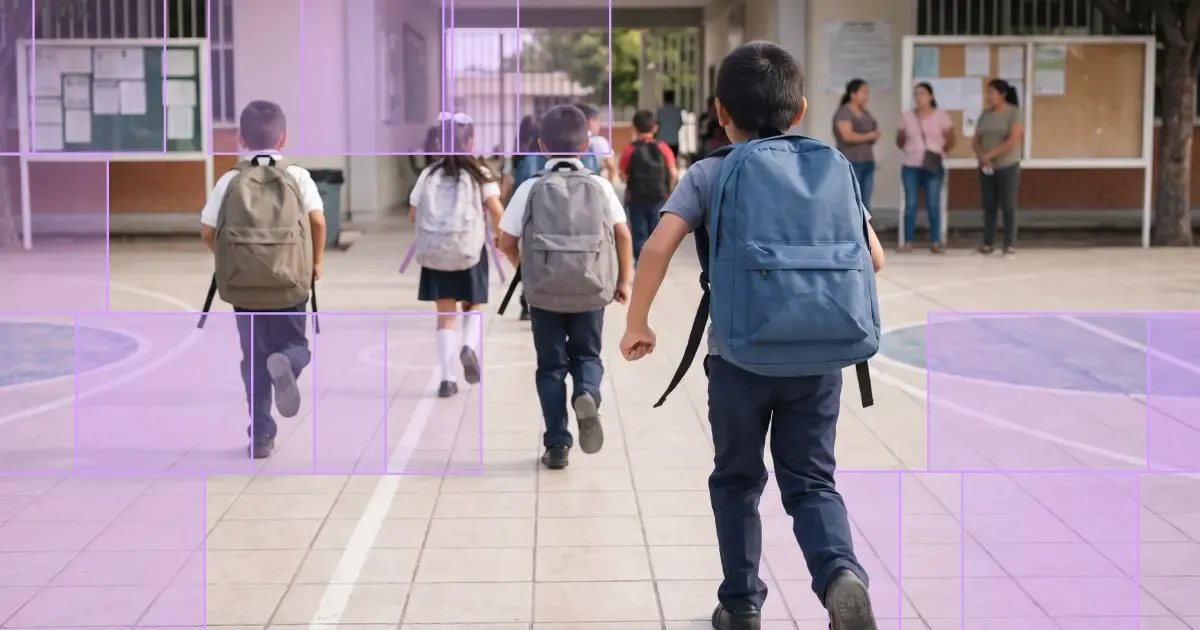
Początek roku szkolnego to jeden z tych momentów, kiedy szczególnie odczuwamy odległość od bliskich. To także jeden z najbardziej kosztownych okresów w roku: przybory szkolne, mundurki, czesne i codzienne wydatki trzeba często pokryć mniej więcej w tym samym czasie. Wiele osób pomaga rodzinie za granicą pokryć te koszty, wysyłając pieniądze. Aby pomóc w takich wydatkach, nowi klienci Paysend mogą wykonać pierwszy przelew bez opłat i po korzystniejszym kursie wymiany w okresie rozpoczęcia roku szkolnego.
Niezależnie od tego, czy pomagasz opłacić naukę, czy pokryć codzienne wydatki, przelew międzynarodowy pozwala wesprzeć bliskich dokładnie wtedy, gdy jest to najbardziej potrzebne. Z Paysend możesz wysyłać pieniądze do ponad 170 krajów za pomocą wygodnych metod płatności — poniżej dowiesz się, jak bezpłatnie się zarejestrować i skorzystać z oferty.

Co miesiąc tysiące osób pracujących w Czechach wysyła część wypłaty do domu — wielu z nich to Ukraińcy wspierający rodzinę za granicą. A tradycyjna droga utrudnia to, co powinno być proste: przelewy bankowe wymagające IBAN i kodów SWIFT, opłaty, które widać dopiero, gdy pieniądze już zniknęły, oraz dni oczekiwania, podczas gdy ktoś w domu na nie liczy.
Pavel Štich od lat pomaga swoim czytelnikom rozwiązywać dokładnie ten problem. Jest współzałożycielem i redaktorem naczelnym ds. finansów w Moneyo.cz — niezależnej czeskiej platformie, która porównuje usługi przekazów pieniężnych, brokerów giełdowych i alternatywne inwestycje — a także Ambasadorem Paysend, co oznacza, że osobiście testuje wszystko, co poleca, wyjaśnia to prostym językiem i daje swoim czytelnikom ekskluzywne korzyści. Zapytaliśmy go, jak powstało Moneyo, kto je czyta i dlaczego wybrał Paysend.


