How to send money abroad with Ria

Ria is a money transfer service used by many people around the world. It’s primarily used for in-store transfers where customers send money with the help of a cashier at one of Ria’s agent locations.
Although very popular, Ria is just one of many money transfer services available, and each varies on speed, cost and convenience, and before you choose Ria you should do your research.
This blog will give you the information you need about the company, so you can choose whether you want to sign up with Ria, send money abroad with them, and use the service as your regular transfer platform. By the end of this blog you’ll hopefully know whether Ria is right for you!
How to send money abroad with Ria
With Ria, you can choose to either go to one of their physical agent locations to make an offline international transfer, or use their online service to transfer your money. When you send money using Ria, your recipient’s bank account will be debited, and you can arrange a cash pick-up.
If you choose to go in-store to one of Ria’s many locations, you'll need to fill out a money transfer form, and you’ll be guided through the process by the cashier. Alternatively, if you choose the online service, you can do it by yourself from the Ria smartphone app or web browser platform.
What are the pros and cons of sending money with Ria?
Ria is great for some people but not the ideal transfer service for others.
Here are some of the pros and cons of using Ria for your money transfers:
Pros:
- They have lots of agent locations - over 400,000 in 149 countries
- In some countries you can arrange home delivery of the cash - in Vietnam, the Philippines, Dominican Republic, and Peru
- Money is moved fast when you pay with cash or card - usually around 15 minutes to deliver
Cons:
- Transfers can take much longer when you pay using your bank account details - up to four working days
- Rates can be different online compared with at an agent location
- You can’t send money using just a recipient’s card number
- Fees vary and can be quite large - for example, sending £200 from the UK to Nigeria using a debit card for a cash pick-up will cost you £8
Is there another option to Ria?
When sending money internationally, Ria might be the best option if you need the cashier’s help to guide you through the transfer process. Alternatively, you may be able to find a cheaper and simpler option with a different online transfer company. You need to make sure you do enough research to make sure you’re getting the best possible deal!
Paysend is a fast and simple money transfer platform that lets users send money directly to bank accounts or straight to cards - all you need is the recipient’s name and card number! You can use Paysend via a smartphone app, or access it on your chosen web browser.
Money transfers to bank accounts with Paysend have zero transfer fees, and to cards it costs just £1, €1.5 or $2 (or equivalent amount) to send money. Paysend uses excellent, competitive exchange rates, so if you send money with Paysend you might save yourself some money when compared to Ria!
On the Paysend homepage you can find a useful tool to help you find out if your money transfers with Paysend are cheaper than with Ria. Click here to visit the homepage and get started.
Najnowsze posty
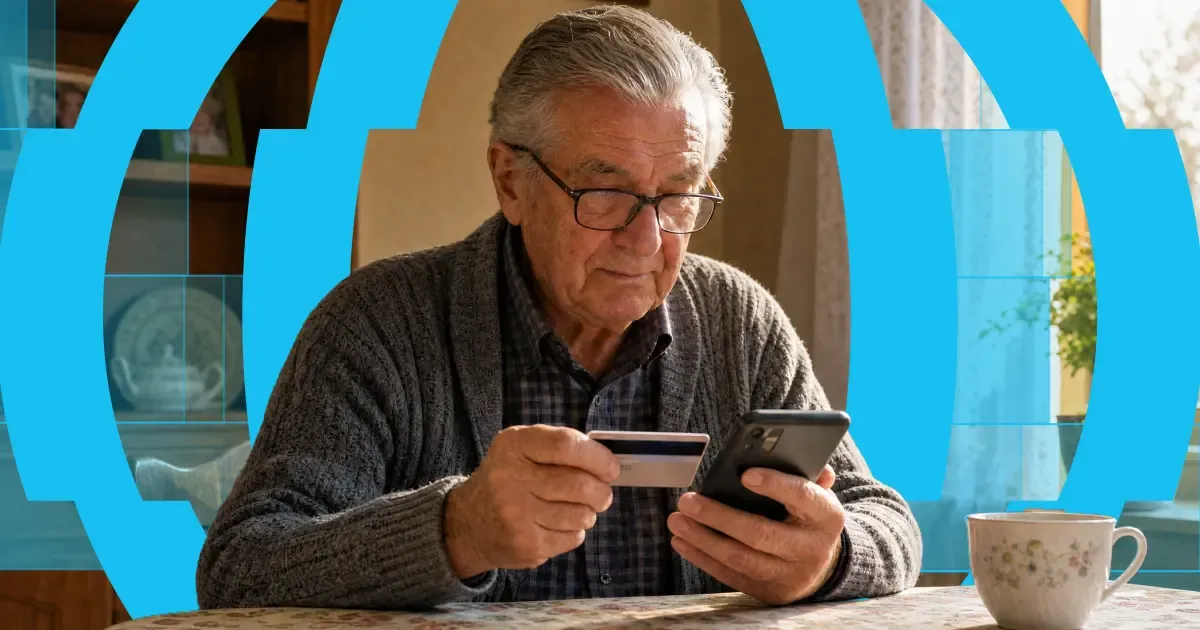
Here's the short answer: yes, you can use a credit card to get money into someone's bank account abroad. "Credit card to bank transfer" means exactly that — you fund the transfer with your credit card, and your recipient receives it in their bank account. Or on their card, in their wallet, or as cash to collect, depending on where they are.
The card and the bank account do different jobs. Your card pays for the transfer. A provider like Paysend then pays the money out through local systems on the other end. It's one flow, and it takes about a minute in the app.
One thing worth knowing before you start: a credit card is usually the most expensive way to fund a transfer. Some issuers treat it as a cash advance, and credit tends to carry higher payment fees than debit. You'll always see the full cost, exchange rate included, before you confirm anything. What follows is: the ways your money can arrive, what each one costs, how fast it gets there, and the cheaper routes worth checking first.

Co miesiąc tysiące osób pracujących w Czechach wysyła część wypłaty do domu — wielu z nich to Ukraińcy wspierający rodzinę za granicą. A tradycyjna droga utrudnia to, co powinno być proste: przelewy bankowe wymagające IBAN i kodów SWIFT, opłaty, które widać dopiero, gdy pieniądze już zniknęły, oraz dni oczekiwania, podczas gdy ktoś w domu na nie liczy.
Pavel Štich od lat pomaga swoim czytelnikom rozwiązywać dokładnie ten problem. Jest współzałożycielem i redaktorem naczelnym ds. finansów w Moneyo.cz — niezależnej czeskiej platformie, która porównuje usługi przekazów pieniężnych, brokerów giełdowych i alternatywne inwestycje — a także Ambasadorem Paysend, co oznacza, że osobiście testuje wszystko, co poleca, wyjaśnia to prostym językiem i daje swoim czytelnikom ekskluzywne korzyści. Zapytaliśmy go, jak powstało Moneyo, kto je czyta i dlaczego wybrał Paysend.


