Bank Transfers vs Modern Remittance Apps: A Side-by-Side Reality Check
For decades, sending money internationally meant one thing: a bank transfer. Paperwork, waiting times, confusing fees, and fingers crossed that everything arrived safely.
Fast-forward to 2026, and the reality looks very different.
Today, modern remittance apps like Paysend are changing how people support family and friends across borders — making international transfers faster, clearer, and far more human.
So how do traditional bank transfers really compare?
1. Time: Days vs Minutes
Bank transfers:
International bank transfers may take 2–5 business days, sometimes longer if intermediary banks are involved. Public holidays, weekends, or incorrect details can add even more delays.
Modern remittance apps:
With Paysend, transfers are designed to move in minutes*, not days. For families relying on money for rent, groceries, or medical needs, speed isn’t a luxury — it’s essential.
Reality check: When timing matters, waiting days simply isn’t good enough.
*Your money will be sent in real time; however, transfer delivery times may vary based on recipient bank processing, compliance checks, or other factors.
2. Accessibility: Branches vs Phones
Bank transfers:
Many banks may require in-branch visits, desktop banking, or complex forms. For migrants working long hours or living far from branches, this creates friction — and stress.
Modern remittance apps:
Paysend is built for mobile life. You can send money anytime, anywhere, straight from your phone. No branches. No paperwork. No unnecessary steps.
Reality check: Financial tools should fit around real life — not the other way around.
3. User Experience: Confusing vs Clear
Bank transfers:
May have hidden fees or unclear exchange rates, and multiple intermediaries often mean you don’t know exactly how much your recipient will get — or when.
Modern remittance apps:
Paysend offers transparent pricing and clear FX rates, so you know what’s being sent and what’s received before you tap “send.”
Reality check: Confidence comes from clarity.
Why More People Are Choosing Paysend
As global migration increases and remittances continue to support millions of households worldwide, people are choosing services that respect their time, money, and intent.
Paysend isn’t just fast — it’s built for the way people live today:
- Mobile-first
- Transparent
- Reliable across borders
And beyond the transfers themselves, Paysend regularly runs giveaways and special offers to help users get even more value from every send.
👉 Follow @Paysend on Instagram to stay up to date with promotions, tips, and exclusive rewards.
The materials on this blog are provided for informational purposes only and do not reflect the opinions of Central Bank of Kansas City, Member FDIC. Blog posts may contain links to content on third-party websites, which are provided for your convenience; please note that linked sites may have a privacy and security policy different from our own, and we cannot attest to the accuracy of information. The Central Bank of Kansas City does not guarantee nor expressly endorse any particular business, product, service, or third-party content.
Najnowsze posty
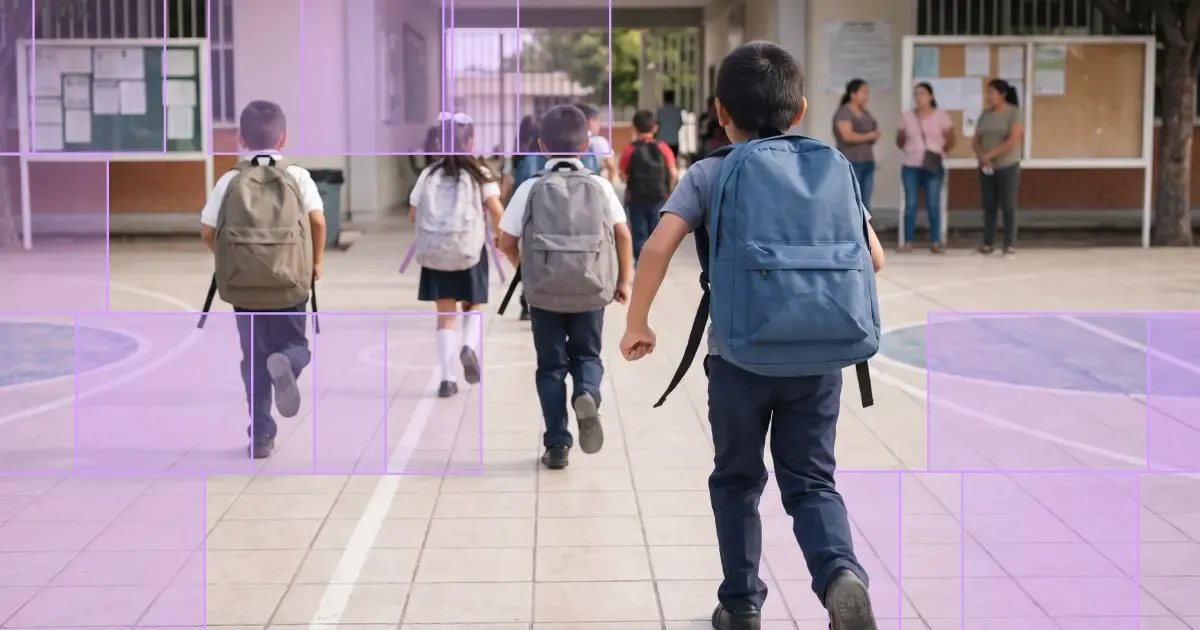
Początek roku szkolnego to jeden z tych momentów, kiedy szczególnie odczuwamy odległość od bliskich. To także jeden z najbardziej kosztownych okresów w roku: przybory szkolne, mundurki, czesne i codzienne wydatki trzeba często pokryć mniej więcej w tym samym czasie. Wiele osób pomaga rodzinie za granicą pokryć te koszty, wysyłając pieniądze. Aby pomóc w takich wydatkach, nowi klienci Paysend mogą wykonać pierwszy przelew bez opłat i po korzystniejszym kursie wymiany w okresie rozpoczęcia roku szkolnego.
Niezależnie od tego, czy pomagasz opłacić naukę, czy pokryć codzienne wydatki, przelew międzynarodowy pozwala wesprzeć bliskich dokładnie wtedy, gdy jest to najbardziej potrzebne. Z Paysend możesz wysyłać pieniądze do ponad 170 krajów za pomocą wygodnych metod płatności — poniżej dowiesz się, jak bezpłatnie się zarejestrować i skorzystać z oferty.

Co miesiąc tysiące osób pracujących w Czechach wysyła część wypłaty do domu — wielu z nich to Ukraińcy wspierający rodzinę za granicą. A tradycyjna droga utrudnia to, co powinno być proste: przelewy bankowe wymagające IBAN i kodów SWIFT, opłaty, które widać dopiero, gdy pieniądze już zniknęły, oraz dni oczekiwania, podczas gdy ktoś w domu na nie liczy.
Pavel Štich od lat pomaga swoim czytelnikom rozwiązywać dokładnie ten problem. Jest współzałożycielem i redaktorem naczelnym ds. finansów w Moneyo.cz — niezależnej czeskiej platformie, która porównuje usługi przekazów pieniężnych, brokerów giełdowych i alternatywne inwestycje — a także Ambasadorem Paysend, co oznacza, że osobiście testuje wszystko, co poleca, wyjaśnia to prostym językiem i daje swoim czytelnikom ekskluzywne korzyści. Zapytaliśmy go, jak powstało Moneyo, kto je czyta i dlaczego wybrał Paysend.


