How to Say “Start” in Spanish — And When to Use It

If you’re learning Spanish or preparing for a trip to a Spanish-speaking country, one word you’ll want to get to grips with early on is “start.”
So let’s begin there:
The most common translation for “start” in Spanish is empezar.
It’s a verb that means “to start” or “to begin.” For example:
Vamos a empezar la clase. “We’re going to start the class.”
You might also see comenzar, which is a near synonym and used in much the same way. Depending on the country or region, one may be more common than the other – empezar is generally more widely used in everyday speech, while comenzar can sound slightly more formal or poetic.
Empezar vs Comenzar — What’s the difference?
Both verbs are regular (except empezar is a stem-changer in the present tense: empiezo, empiezas…) and mean essentially the same thing. In most contexts, they’re interchangeable:
- ¿A qué hora empieza la película? – What time does the movie start?
- La conferencia comenzará a las nueve. – The conference will start at nine.
You can think of it like the English difference between “start” and “commence” — same meaning, slightly different tone.
Other ways to say “Start” in Spanish
Depending on what you’re starting – an object, a machine, or an event – Spanish gives you a few other words too:
- Arrancar – to start a machine, engine or car
Arranca el coche. – Start the car. - Iniciar – to initiate something (formal, tech-related or procedural)
Inicia sesión aquí. – Start the session / Log in here. - Poner en marcha – to set something in motion (can be used figuratively)
Vamos a poner en marcha el proyecto. — Let’s get the project started.
Everyday situations where you’ll use “Start”
Whether you're planning a holiday in Spain, moving to Mexico, or just brushing up for a conversation class, here are a few real-life uses of "start":
- At school or work
¿Cuándo empieza la reunión? – When does the meeting start? - At the gym
Empecé una nueva rutina de ejercicios. – I started a new workout routine. - While travelling
El tour comienza a las 10 de la mañana. – The tour starts at 10 a.m. - With friends or family
Vamos a empezar la cena. – Let’s start dinner.
Bonus: How to say “I’m starting to…” in Spanish
If you want to express something like “I’m starting to learn Spanish” — easy! Use “empezar a infinitive”:
- Estoy empezando a aprender español. – I’m starting to learn Spanish.
- Empecé a trabajar aquí el año pasado. – I started working here last year.
Whether you’re starting a journey, a new habit, or a new chapter abroad, empezar is one of the most useful verbs you can add to your Spanish toolkit.
To recap:
- The main word for “start” is empezar
- Comenzar is also common, and slightly more formal
- You can also use arrancar (for cars), iniciar (for digital or formal processes), and poner en marcha (to get something going)
Keep learning, and start your Spanish the right way – with the right words.
Sending money? Do it with Paysend, and download the app for free.
Related posts:
Najnowsze posty
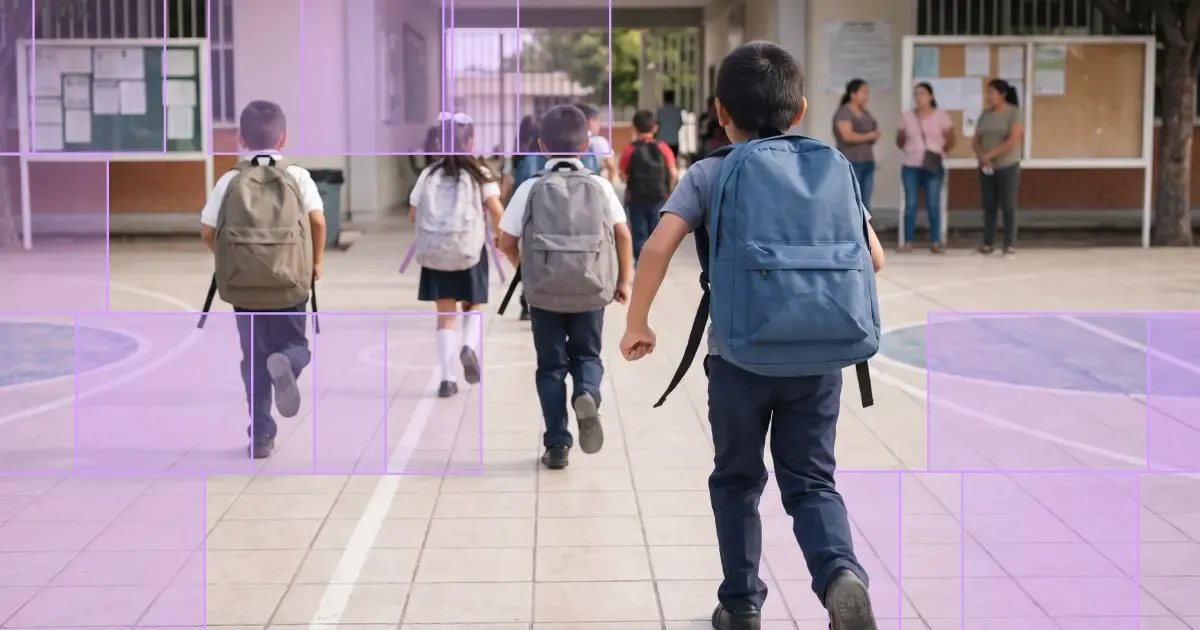
Początek roku szkolnego to jeden z tych momentów, kiedy szczególnie odczuwamy odległość od bliskich. To także jeden z najbardziej kosztownych okresów w roku: przybory szkolne, mundurki, czesne i codzienne wydatki trzeba często pokryć mniej więcej w tym samym czasie. Wiele osób pomaga rodzinie za granicą pokryć te koszty, wysyłając pieniądze. Aby pomóc w takich wydatkach, nowi klienci Paysend mogą wykonać pierwszy przelew bez opłat i po korzystniejszym kursie wymiany w okresie rozpoczęcia roku szkolnego.
Niezależnie od tego, czy pomagasz opłacić naukę, czy pokryć codzienne wydatki, przelew międzynarodowy pozwala wesprzeć bliskich dokładnie wtedy, gdy jest to najbardziej potrzebne. Z Paysend możesz wysyłać pieniądze do ponad 170 krajów za pomocą wygodnych metod płatności — poniżej dowiesz się, jak bezpłatnie się zarejestrować i skorzystać z oferty.

Co miesiąc tysiące osób pracujących w Czechach wysyła część wypłaty do domu — wielu z nich to Ukraińcy wspierający rodzinę za granicą. A tradycyjna droga utrudnia to, co powinno być proste: przelewy bankowe wymagające IBAN i kodów SWIFT, opłaty, które widać dopiero, gdy pieniądze już zniknęły, oraz dni oczekiwania, podczas gdy ktoś w domu na nie liczy.
Pavel Štich od lat pomaga swoim czytelnikom rozwiązywać dokładnie ten problem. Jest współzałożycielem i redaktorem naczelnym ds. finansów w Moneyo.cz — niezależnej czeskiej platformie, która porównuje usługi przekazów pieniężnych, brokerów giełdowych i alternatywne inwestycje — a także Ambasadorem Paysend, co oznacza, że osobiście testuje wszystko, co poleca, wyjaśnia to prostym językiem i daje swoim czytelnikom ekskluzywne korzyści. Zapytaliśmy go, jak powstało Moneyo, kto je czyta i dlaczego wybrał Paysend.


