How to Call an 800 Number from Mexico

S. Toll-free US numbers like 1-800 become charged calls when dialed from outside the US, and you’ll need to replace the 800 prefix with a Mexican access code – usually 001-880 or a variation depending on the number. Here's how it works.
1. How do I call a 1-800 number from Mexico?
If you’re trying to reach a US 1-800 number while in Mexico, here’s what to do:
- Replace the 1-800 with 001-880
- Then dial the rest of the number
For example, to call 1-800-123-4567, you would dial:
001-880-123-4567
This works for most toll-free numbers, but check with your phone provider first – some numbers may not be reachable or may be blocked from international access.
2. Alternate Toll-Free codes
If you're calling other US toll-free prefixes, here’s how to convert them from Mexico:
US Toll-Free Prefix | Dial From Mexico As |
| 800 | 001-880 |
| 888 | 001-881 |
| 877 | 001-882 |
| 866 | 001-883 |
| 855 | 001-884 |
| 844 | 001-885 |
| 833 | 001-886 |
So a number like 1-888-555-6789 would be dialled from Mexico as:
001-881-555-6789
Again, these aren’t toll-free from Mexico – they may incur long-distance charges, so check your phone plan or use an international calling service.
3. Low-cost ways to call Toll-Free numbers from Mexico
If you’re concerned about cost, you can try:
- Calling via VoIP apps like Skype or Google Voice (some support toll-free numbers)
- Contacting the business via online chat or app
- Checking if there’s a local Mexican number listed on the company’s website
Some toll-free numbers have international versions, so it’s worth checking the brand’s “Contact Us” page for options specifically for callers from Mexico.
4. Staying connected and sending money to the US
If you’re in Mexico and also need to send money back to the US, there are simple, reliable ways to do it. With services like Paysend, you can transfer money to US bank cards or accounts quickly and securely, often with no hidden fees. It’s a great way to stay connected — whether you're supporting family, paying bills, or splitting costs from abroad.
Just like calling, sending money is easier when you use the right tools — look for trusted digital options with clear pricing and fast delivery.
Quick recap
To call a US 1-800 number from Mexico, replace the 800 with 001-880 — and remember, it won’t be toll-free.Consider using calling apps or looking for alternative contact numbers to save costs. And if you're also looking to send money back home, go with a provider that’s fast, transparent, and designed for international support.
Najnowsze posty
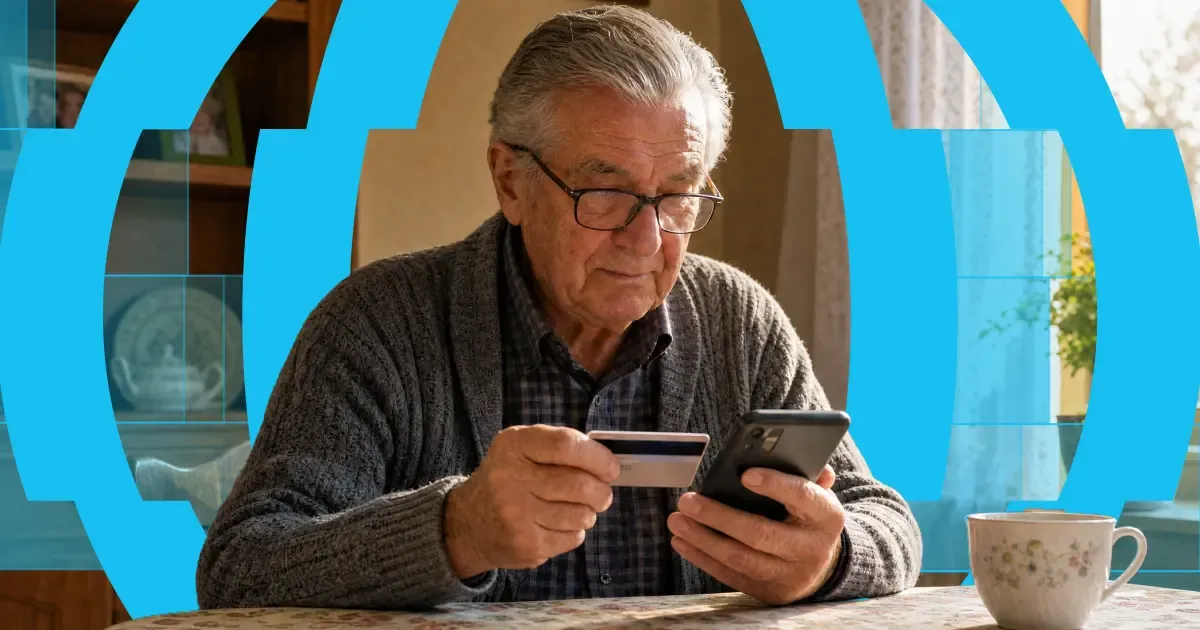
Here's the short answer: yes, you can use a credit card to get money into someone's bank account abroad. "Credit card to bank transfer" means exactly that — you fund the transfer with your credit card, and your recipient receives it in their bank account. Or on their card, in their wallet, or as cash to collect, depending on where they are.
The card and the bank account do different jobs. Your card pays for the transfer. A provider like Paysend then pays the money out through local systems on the other end. It's one flow, and it takes about a minute in the app.
One thing worth knowing before you start: a credit card is usually the most expensive way to fund a transfer. Some issuers treat it as a cash advance, and credit tends to carry higher payment fees than debit. You'll always see the full cost, exchange rate included, before you confirm anything. What follows is: the ways your money can arrive, what each one costs, how fast it gets there, and the cheaper routes worth checking first.

Co miesiąc tysiące osób pracujących w Czechach wysyła część wypłaty do domu — wielu z nich to Ukraińcy wspierający rodzinę za granicą. A tradycyjna droga utrudnia to, co powinno być proste: przelewy bankowe wymagające IBAN i kodów SWIFT, opłaty, które widać dopiero, gdy pieniądze już zniknęły, oraz dni oczekiwania, podczas gdy ktoś w domu na nie liczy.
Pavel Štich od lat pomaga swoim czytelnikom rozwiązywać dokładnie ten problem. Jest współzałożycielem i redaktorem naczelnym ds. finansów w Moneyo.cz — niezależnej czeskiej platformie, która porównuje usługi przekazów pieniężnych, brokerów giełdowych i alternatywne inwestycje — a także Ambasadorem Paysend, co oznacza, że osobiście testuje wszystko, co poleca, wyjaśnia to prostym językiem i daje swoim czytelnikom ekskluzywne korzyści. Zapytaliśmy go, jak powstało Moneyo, kto je czyta i dlaczego wybrał Paysend.


