Sending money internationally to a bank account : SWIFT or SEPA?

In contemporary times, many individuals perceive a shrinking world, fostering a closer connection to a global society. Whether you’re celebrating weddings abroad, embarking on international business or study adventures, or investing in holiday properties in far-off lands, our lives often extend across borders.
Sending money internationally is a part of our life. However, with hidden transfer costs, fluctuating exchange rates and varying delivery time, you might ask yourself ‘Did I send money the best way for my needs?’
In this guide, we’ll help you understand which method suits your needs best.
Understanding of SWIFT and SEPA
When you’re sending money internationally, you might come across the terms SWIFT and SEPA. In case they’re unfamiliar to you, we’ll explain the differences.
What’s a SWIFT transfer and how does it work?
A SWIFT transfer is an international money transfer done via the SWIFT network, which stands for the Society for Worldwide Interbank Financial telecommunications.
To send money via SWIFT: you’ll need a SWIFT code (also called a BIC code). It contains 8 - 11 characters and is the bank/branch identifier for the payment.
You’ll also need the IBAN, which is the SWIFT format for an account number. Using SWIFT, your money will be transferred directly to your recipient’s bank account safely and securely in 3-5 working days.
What’s a SEPA transfer and how does it work?
SEPA stands for Single Euro Payments Area. A SEPA transfer is designed specifically for bank transfers denominated in EUR within the 27 EU member states but also within the UK, Iceland, Switzerland, Norway, Liechtenstein, Andorra, Monaco, San Marino and Vatican City.
To send a SEPA payment, you just need the IBAN number for the bank account. SEPA transfers are known for their fast, budget-friendly service. With SEPA payments, transfers are typically processed within 24 hours.
How can you choose between SWIFT and SEPA?
The choice between SWIFT and SEPA comes down to your specific needs. Take into account the location of your recipient, the currency, the cost, the speed, and the security requirements of your transfer.
- If you’re sending money within the Eurozone, SEPA is your efficient and cost-effective choice.
- For transactions in non-European currencies or destinations, SWIFT’s global reach is your best bet.
Paysend makes it easy to send both SEPA and SWIFT payments. With just a few taps on your phone, you can smoothly send and receive money within the Eurozone, and what’s even better? - It won’t cost you a thing - thanks to SEPA Credit Transfer. If you need to send money outside the Eurozone, Paysend also has you covered with SWIFT payments.
Download Paysend to join 8+ million worldwide Paysend customers today!
- Website: paysend.com
- Mobile App: available from the App Store and Google Play
Najnowsze posty
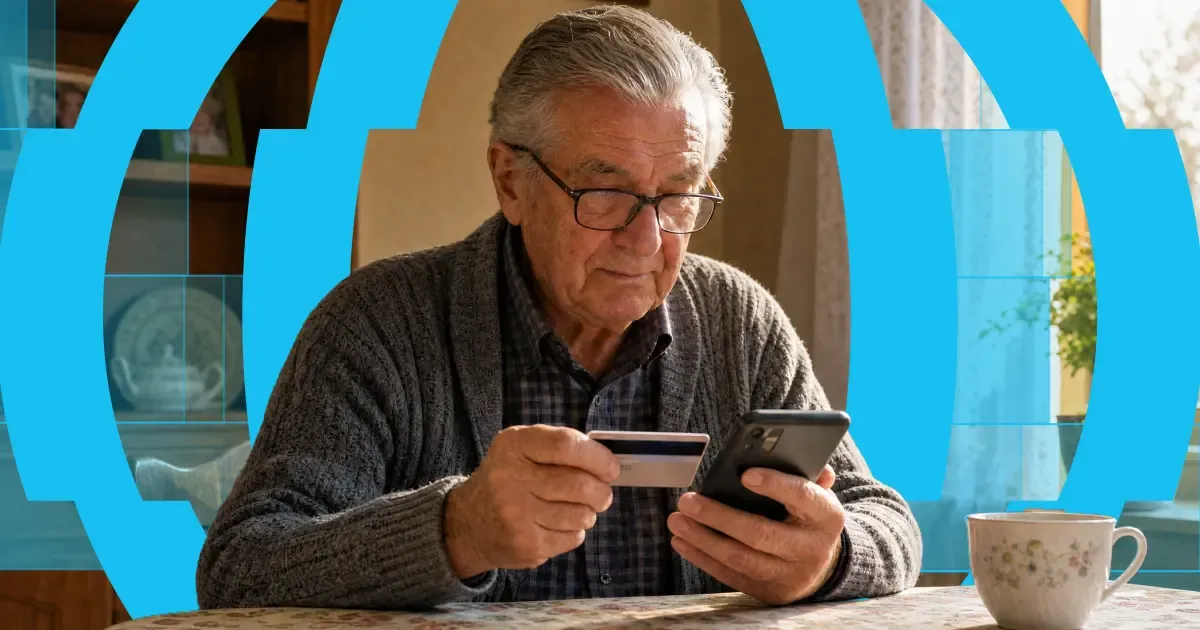
Here's the short answer: yes, you can use a credit card to get money into someone's bank account abroad. "Credit card to bank transfer" means exactly that — you fund the transfer with your credit card, and your recipient receives it in their bank account. Or on their card, in their wallet, or as cash to collect, depending on where they are.
The card and the bank account do different jobs. Your card pays for the transfer. A provider like Paysend then pays the money out through local systems on the other end. It's one flow, and it takes about a minute in the app.
One thing worth knowing before you start: a credit card is usually the most expensive way to fund a transfer. Some issuers treat it as a cash advance, and credit tends to carry higher payment fees than debit. You'll always see the full cost, exchange rate included, before you confirm anything. What follows is: the ways your money can arrive, what each one costs, how fast it gets there, and the cheaper routes worth checking first.

Co miesiąc tysiące osób pracujących w Czechach wysyła część wypłaty do domu — wielu z nich to Ukraińcy wspierający rodzinę za granicą. A tradycyjna droga utrudnia to, co powinno być proste: przelewy bankowe wymagające IBAN i kodów SWIFT, opłaty, które widać dopiero, gdy pieniądze już zniknęły, oraz dni oczekiwania, podczas gdy ktoś w domu na nie liczy.
Pavel Štich od lat pomaga swoim czytelnikom rozwiązywać dokładnie ten problem. Jest współzałożycielem i redaktorem naczelnym ds. finansów w Moneyo.cz — niezależnej czeskiej platformie, która porównuje usługi przekazów pieniężnych, brokerów giełdowych i alternatywne inwestycje — a także Ambasadorem Paysend, co oznacza, że osobiście testuje wszystko, co poleca, wyjaśnia to prostym językiem i daje swoim czytelnikom ekskluzywne korzyści. Zapytaliśmy go, jak powstało Moneyo, kto je czyta i dlaczego wybrał Paysend.


