How Mexicans Abroad Keep Day of the Dead Traditions Alive
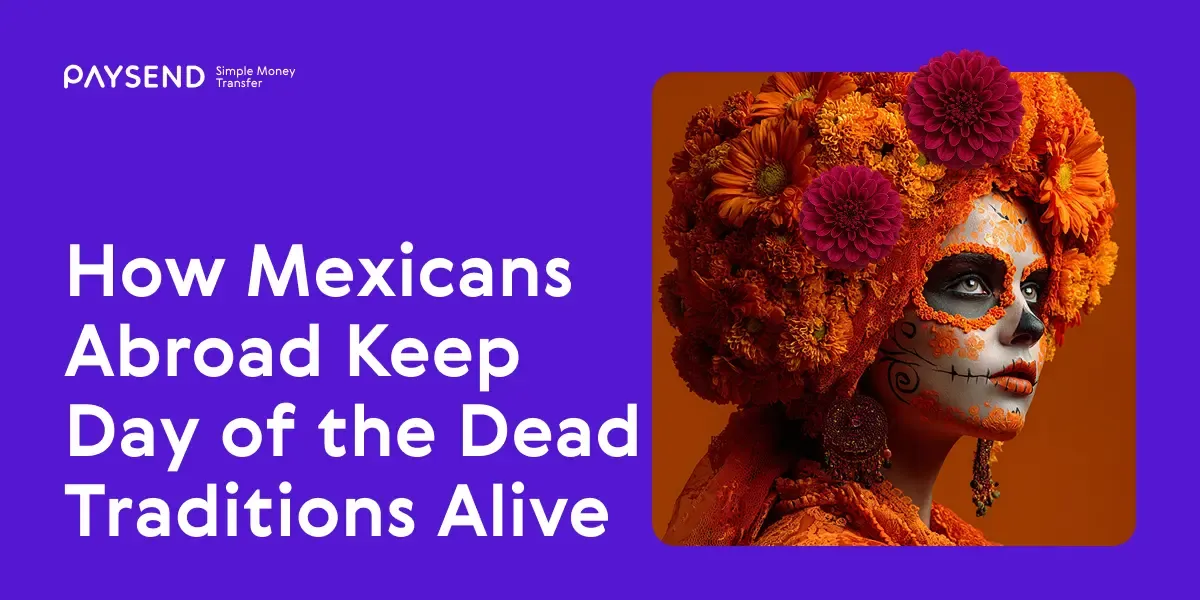
Every year from October 31 to November 2, families in Mexico and around the world celebrate Día de los Muertos (Day of the Dead) — a colorful tradition that honors loved ones who have passed away. For Mexicans abroad, keeping this tradition alive is a way to stay close to family and heritage, no matter the distance.
What is Day of the Dead?
Unlike Halloween, which focuses on spookiness and fright, Day of the Dead is a joyful celebration of life and memory. Families welcome the spirits of loved ones with food, music, and colorful displays.
A brief history of Día de los Muertos
The holiday blends Aztec rituals with Catholic traditions from All Saints’ and All Souls’ Days. Over time, it has become one of Mexico’s most cherished cultural celebrations, recognized by UNESCO as part of humanity’s intangible cultural heritage.
How is Day of the Dead celebrated?
- Ofrendas (altars) — Families build altars decorated with photos, candles, marigolds, and food.
- Traditional foods — Pan de muerto (bread of the dead), sugar skulls, and tamales.
- Parades and music — Streets come alive with costumes, music, and dancing.
- Family gatherings — Sharing meals, stories, and time together.
How Mexicans abroad celebrate
From Los Angeles to Madrid, Mexicans abroad build ofrendas in their homes, host community events, and attend cultural festivals. Many also send money home to help families prepare for the festivities, buy food, and decorate altars.
Staying connected: Send money to Mexico, simply and securely
Whether you’re supporting family celebrations, contributing to an altar, or just sending a gift of love, Paysend makes it fast and easy to transfer money directly to bank accounts, cards, or wallets in Mexico. With no hidden fees, you can be sure your support goes further this Día de los Muertos.
Celebrating life, honoring memory
Day of the Dead is proof that love lives on across generations and borders. This year, if you’re sending support home, make it simple and secure with Paysend.
Najnowsze posty
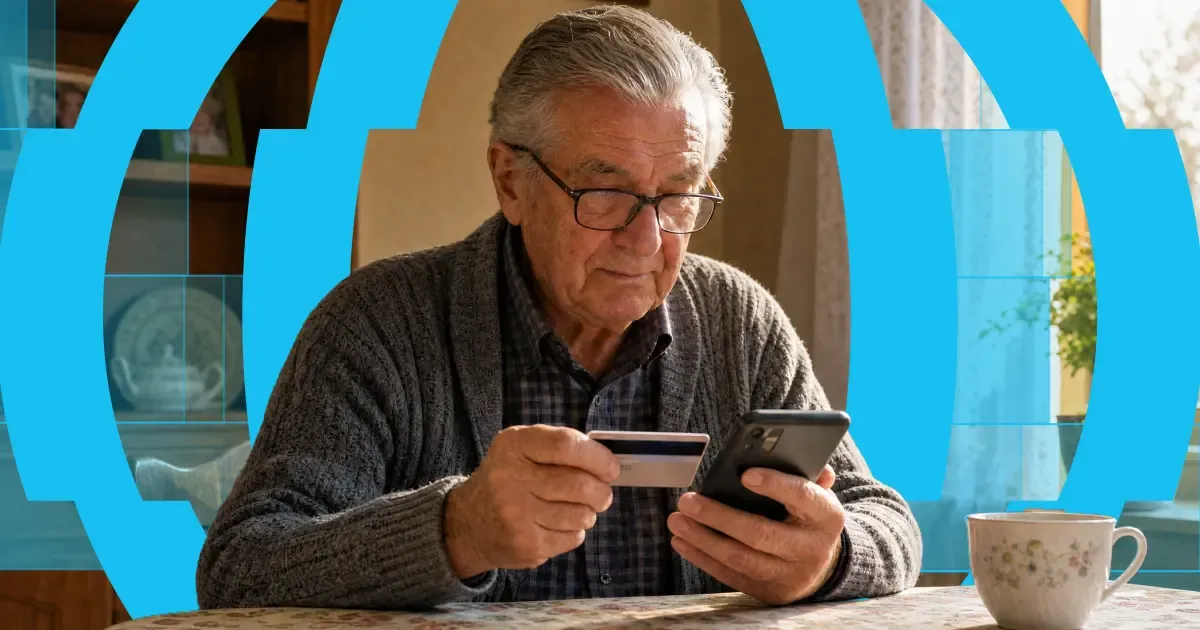
Here's the short answer: yes, you can use a credit card to get money into someone's bank account abroad. "Credit card to bank transfer" means exactly that — you fund the transfer with your credit card, and your recipient receives it in their bank account. Or on their card, in their wallet, or as cash to collect, depending on where they are.
The card and the bank account do different jobs. Your card pays for the transfer. A provider like Paysend then pays the money out through local systems on the other end. It's one flow, and it takes about a minute in the app.
One thing worth knowing before you start: a credit card is usually the most expensive way to fund a transfer. Some issuers treat it as a cash advance, and credit tends to carry higher payment fees than debit. You'll always see the full cost, exchange rate included, before you confirm anything. What follows is: the ways your money can arrive, what each one costs, how fast it gets there, and the cheaper routes worth checking first.

Co miesiąc tysiące osób pracujących w Czechach wysyła część wypłaty do domu — wielu z nich to Ukraińcy wspierający rodzinę za granicą. A tradycyjna droga utrudnia to, co powinno być proste: przelewy bankowe wymagające IBAN i kodów SWIFT, opłaty, które widać dopiero, gdy pieniądze już zniknęły, oraz dni oczekiwania, podczas gdy ktoś w domu na nie liczy.
Pavel Štich od lat pomaga swoim czytelnikom rozwiązywać dokładnie ten problem. Jest współzałożycielem i redaktorem naczelnym ds. finansów w Moneyo.cz — niezależnej czeskiej platformie, która porównuje usługi przekazów pieniężnych, brokerów giełdowych i alternatywne inwestycje — a także Ambasadorem Paysend, co oznacza, że osobiście testuje wszystko, co poleca, wyjaśnia to prostym językiem i daje swoim czytelnikom ekskluzywne korzyści. Zapytaliśmy go, jak powstało Moneyo, kto je czyta i dlaczego wybrał Paysend.


