Planned purchases vs. impulse buying. How to give in wisely to the temptation of immediate gratification

Imagine walking by a nicely decorated storefront. Say, it's a sports shop. And you wouldn't mind updating your footwear.
Curious, you go inside and chat with the salesman. Why not try on these shoes? They're soft and ideal for those long runs. And, they seem to be just the thing. Would you buy them right away or search for a better offer?
Planned purchases
They make up part of the budget. We consider our planned purchases upfront and can easily track their cost at the end of the month. What’s more, when planning a purchase, we have time to find a better offer.
Impulsive spending
Irresistible. Charming. Immediately satisfying and hard to keep track of. Ever so often — unnecessary. That is impulsive buying. We know full well that once in a while, we may give in to the temptation of immediate gratification. As such, we can predict and plan impulse buying, too.
Why plan impulse buying — 3 steps to take spontaneous spending under control
It’s a challenge to keep track of spontaneous spending. So, ultimately, we do not know where the money goes. It leads to the inability to control and correct our spending habits when and if necessary. What’s worse, we may end up in debt at the end of the month.
When included in the monthly budget, impulse buys become a bit more controlled and no less spontaneous. Let’s see how to take impulse buying under control.
1. Keep track of your spending
Know where the money goes and be able to change your spending habits when necessary. Take the habit of writing down each expense. It is challenging in the beginning, but it quickly becomes a healthy habit.
2. Set a limit and don't overspend
Determine which impulse buys you make most often, exclude the ones you can do without, and compare the amount left with the budget. Limit the amount you spend on spontaneous purchases to no more than 30% of your monthly budget.
3. Set aside the money you save
Invest the money saved in long term financial goals to avoid borrowings in the future.
Instead of fighting the temptation, you may give in to it wisely while improving your financial habits.
Planned or spontaneous: how online money transfers with Paysend can save you time and money
International money transfers help support our families and loved ones back home. Money transfers are also best taken into account upfront when planning the monthly budget.
Regular or recurring, online money transfers are quicker and more cost-efficient than offline transfers. Paysend is an online money transfer service that helps its customers make transfers to over 150 countries.
Paysend offers a user-friendly app and transparent terms and conditions for money transfers:
- Flat fees on international money transfers
- Service transparency — you see all the information about your transfer
- Instant processing and fast delivery — 95% of transfers with Paysend reach the recipient within seconds
- Guaranteed security of transactions and personal details
- 24x7 online support
- More than 150 countries to send money to, various methods of sending and receiving money
Getting started with Paysend is easy. Register on our website or via our mobile app for iOS, Android, and Huawei. Registration takes only a few minutes.
Últimas publicações

Todo mês, milhares de pessoas que trabalham na República Tcheca enviam parte do salário para casa — muitas delas são ucranianos que sustentam a família do outro lado da fronteira. E o caminho tradicional torna mais difícil algo que deveria ser simples: transferências bancárias que exigem IBAN e códigos SWIFT, tarifas que só aparecem depois que o dinheiro já saiu, e dias de espera enquanto alguém em casa conta com esse valor.
Pavel Štich ajuda seus leitores a resolver exatamente esse problema há anos. Ele é cofundador e editor-chefe de finanças da Moneyo.cz, uma plataforma tcheca independente que compara serviços de transferência de dinheiro, corretoras e investimentos alternativos — e Embaixador da Paysend, o que significa que ele testa pessoalmente tudo o que recomenda, explica de forma simples e oferece aos seus leitores vantagens exclusivas. Perguntamos a ele como surgiu a Moneyo, quem a lê e por que escolheu a Paysend.
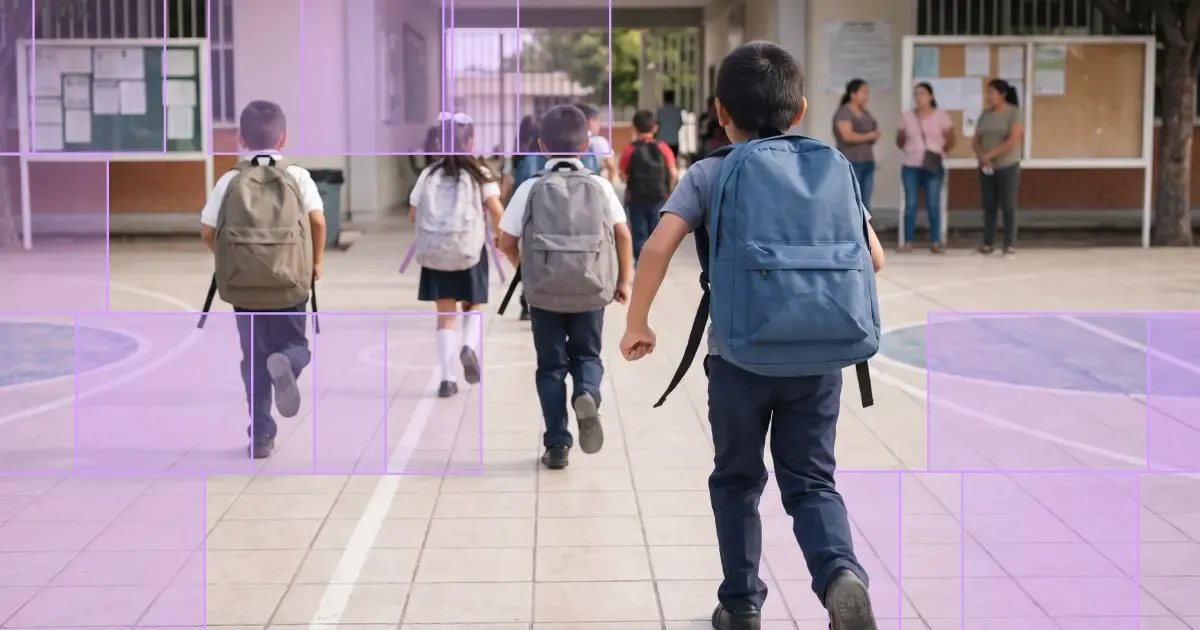
O regresso às aulas pode ser uma das alturas do ano em que mais sentimos a distância de quem nos é próximo. É também uma das épocas mais dispendiosas: material escolar, uniformes, propinas e despesas do dia a dia acumulam-se muitas vezes ao mesmo tempo. Muitas pessoas ajudam os familiares no estrangeiro a fazer face a estes custos, enviando-lhes dinheiro. Para ajudar nesta altura do ano, os novos clientes da Paysend beneficiam de um primeiro envio sem taxas e de uma taxa de câmbio mais vantajosa durante o período de regresso às aulas.
Quer esteja a ajudar a pagar propinas ou despesas do dia a dia, uma transferência internacional permite apoiar quem precisa, precisamente quando é necessário. Com a Paysend, pode enviar dinheiro para mais de 170 países através de métodos de pagamento simples e seguros. Veja como se pode registar gratuitamente e aproveitar a oferta.


