Streamlining International B2B Payments and Card Transfers
In the current landscape of the global economy, businesses of all sizes are engaging in international trade, leading to an increased demand for efficient and secure cross-border payment solutions. International Business-to-Business (B2B) payments and card transfers play a crucial role in facilitating smooth transactions between businesses across different countries. In this article, we will explore the challenges faced by businesses in international transactions, the importance of seamless B2B payments, and the advancements in card transfers that are revolutionizing the way businesses conduct their financial operations worldwide.
Challenges in International Transactions
When it comes to international transactions, businesses encounter various challenges, including fluctuating exchange rates, complex regulations, lengthy processing times, and high transaction fees. These hurdles can significantly impact a company's bottom line and hinder the growth of global business partnerships. Inefficiencies in cross-border payments can lead to delays in deliveries, strained relationships with suppliers, and increased operational costs.
The Importance of Seamless B2B Payments
Efficient B2B payment systems are the backbone of international trade, enabling businesses to pay suppliers, receive payments, and manage cash flow effectively. Streamlining B2B payments offers several benefits:
- Faster Transactions: Quick payments reduce delays in supply chains, ensuring timely delivery of goods and services.
- Cost Savings: Efficient payment methods help in minimizing transaction fees and exchange rate losses, saving businesses money.
- Improved Relationships: Reliable and timely payments enhance trust and strengthen relationships with international partners and suppliers.
- Enhanced Security: Secure payment solutions protect sensitive financial information, mitigating the risks associated with fraud and data breaches.
Increasing adoption in Card Transfers
Card transfers are becoming increasingly popular in the realm of international B2B payments. Traditional methods, such as wire transfers and checks, are being replaced by digital payment solutions, offering businesses greater convenience and efficiency. Here are some key advancements in card transfers:
- Virtual Cards: Virtual credit cards enable businesses to generate unique card numbers for each transaction, enhancing security and reducing the risk of unauthorized usage.
- Mobile Wallets: Mobile payment apps facilitate seamless card transfers, allowing businesses to make and receive payments using smartphones, tablets, or other mobile devices.
- Robust Technology: Paysend payment platform offers secure, transparent, and near-instantaneous cross-border transactions, eliminating intermediaries and reducing costs.
- Real-time Payment Systems: Some countries have implemented real-time payment systems, enabling businesses to transfer funds instantly, 24/7, improving cash flow management and financial agility.
Choosing the Right Payment Solution
When selecting a payment solution for international B2B transactions, businesses should consider factors such as transaction fees, exchange rates, processing times, security features, and regulatory compliance. It's essential to partner with reputable financial institutions or fintech companies that offer tailored solutions such as Paysend to meet specific business needs
In the rapidly evolving landscape of international trade, seamless B2B payments and card transfers are pivotal in ensuring the smooth flow of goods and services across borders. Embracing innovative payment solutions not only enhances operational efficiency but also fosters strong and trustworthy relationships with global partners. As businesses continue to expand their reach globally, staying abreast of the latest advancements in payment technologies is crucial for sustained growth and success in the international marketplace.
Learn more about how Paysend Enterprise helps boost your international payments.
Últimas publicações
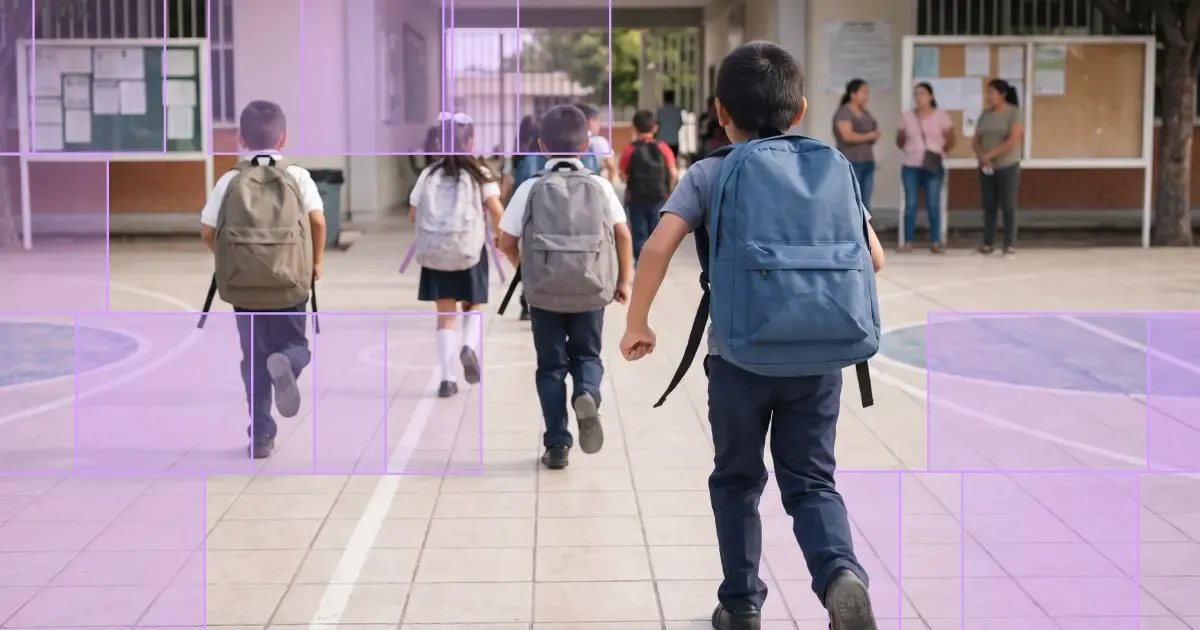
O regresso às aulas pode ser uma das alturas do ano em que mais sentimos a distância de quem nos é próximo. É também uma das épocas mais dispendiosas: material escolar, uniformes, propinas e despesas do dia a dia acumulam-se muitas vezes ao mesmo tempo. Muitas pessoas ajudam os familiares no estrangeiro a fazer face a estes custos, enviando-lhes dinheiro. Para ajudar nesta altura do ano, os novos clientes da Paysend beneficiam de um primeiro envio sem taxas e de uma taxa de câmbio mais vantajosa durante o período de regresso às aulas.
Quer esteja a ajudar a pagar propinas ou despesas do dia a dia, uma transferência internacional permite apoiar quem precisa, precisamente quando é necessário. Com a Paysend, pode enviar dinheiro para mais de 170 países através de métodos de pagamento simples e seguros. Veja como se pode registar gratuitamente e aproveitar a oferta.

Todo mês, milhares de pessoas que trabalham na República Tcheca enviam parte do salário para casa — muitas delas são ucranianos que sustentam a família do outro lado da fronteira. E o caminho tradicional torna mais difícil algo que deveria ser simples: transferências bancárias que exigem IBAN e códigos SWIFT, tarifas que só aparecem depois que o dinheiro já saiu, e dias de espera enquanto alguém em casa conta com esse valor.
Pavel Štich ajuda seus leitores a resolver exatamente esse problema há anos. Ele é cofundador e editor-chefe de finanças da Moneyo.cz, uma plataforma tcheca independente que compara serviços de transferência de dinheiro, corretoras e investimentos alternativos — e Embaixador da Paysend, o que significa que ele testa pessoalmente tudo o que recomenda, explica de forma simples e oferece aos seus leitores vantagens exclusivas. Perguntamos a ele como surgiu a Moneyo, quem a lê e por que escolheu a Paysend.


