Making Life Easy: Fast transfers to Eligible Visa Debit Cards in the Philippines
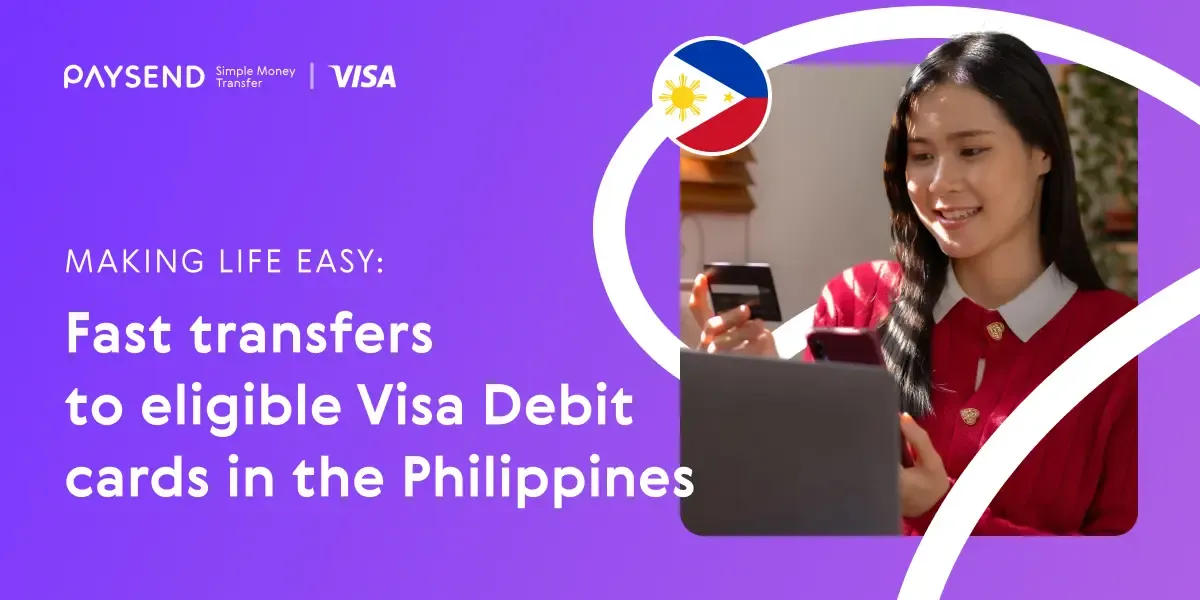
Helping Families Access Money When It Matters Most
For families across the Philippines, access to funds can make a huge difference, whether it’s paying for groceries, school fees, or unexpected emergencies. Long bank queues and slow international transfers can be frustrating, especially in urgent situations.
Paysend provides a solution: send money directly to a Visa Debit card, fast and securely. Your loved ones can access funds 24/7, spend at stores or online, and withdraw cash whenever they need it. It’s not just a transfer — it’s peace of mind, convenience, and reliability.
Why Visa Debit Card Transfers Work So Well in the Philippines
1. Fast access to funds
Funds sent via Paysend to Visa Debit cards are often available within minutes, so families don’t have to wait for processing or banking hours.
Please note: While most transfers are now received within minutes, delivery times can still vary based on the recipient’s bank processing, compliance checks, or other local conditions.
2. Security first
Paysend’s bank-level encryption, combined with Visa’s secure network, ensures that every transfer is protected against fraud.
3. No bank account required
Recipients don’t need to open a new account or register — a Visa Debit card is all they need.
Simplifying Daily Transactions in the Philippines
Filipinos rely on their Visa Debit cards for everyday transactions — paying bills, buying groceries, or shopping online. With Paysend, sending money to a Visa Debit card is secure, and straightforward, giving recipients control over their own funds.
This approach emphasises empowerment: your loved ones or business partners can handle their financial responsibilities quickly and efficiently, without ever stepping into a bank branch.
How to Send Money to the Philippines with Paysend
Step-by-Step Guide
- Log in or create an account – setup is simple on mobile or desktop.
- Select the Philippines as the destination country.
- Choose Visa Debit card as the transfer method.
- Enter recipient’s card details – no bank account required.
- Confirm and send – your money is on its way.
Transparency: Paysend offers low fixed fees and clear exchange rates, so you know exactly how much your loved one will receive.
Why Paysend Is Perfect for Everyday Needs
- Fast delivery: Many transfers arrive within minutes perfect for emergencies or daily expenses. Please note: While most transfers are now received within minutes, delivery times can still vary based on the recipient’s bank processing, compliance checks, or other local conditions.
- Low-cost: Fixed fees and competitive exchange rates save money compared to traditional bank transfers.
- Global coverage: Send money from over 100 countries to the Philippines.
- Secure: Bank-level encryption and Visa partnership ensure safe transfers.
Tips for Sending Money in the Philippines
- Double-check card details to ensure funds go to the right recipient.
- Send early in the day — although most transfers are fast, local bank processing may occasionally take a few minutes*.
- Track your transfer – Paysend provides real-time updates on delivery.
- Plan for emergencies – keeping your loved ones’ Visa card ready can save precious time when quick access is needed.
Frequently Asked Questions
- Is this a cost-effective way to send money to the Philippines?
Yes — Paysend’s low fixed fees and transparent rates make it more affordable than many traditional banks and remittance services. - How fast will the transfer arrive?
Most transfers are taking only a few minutes*. - Do recipients need a bank account?
No — as long as they have a Visa Debit card, they can receive funds immediately.
*While most transfers are now received within minutes, delivery times can still vary based on the recipient’s bank processing, compliance checks, or other local conditions
Help your loved ones in the Philippines access funds when they need it most, fast, secure and simple.
The educational materials on this site are provided for informational purposes only and do not reflect the opinions of Central Bank of Kansas City, Member FDIC. Educational materials may contain links to content on third-party websites which are provided for your convenience; please note that linked sites may have a privacy and security policy different from our own, and we cannot attest to the accuracy of information. The Central Bank of Kansas City does not guarantee nor expressly endorse any particular business, product, service, or third-party content.
Últimas publicações
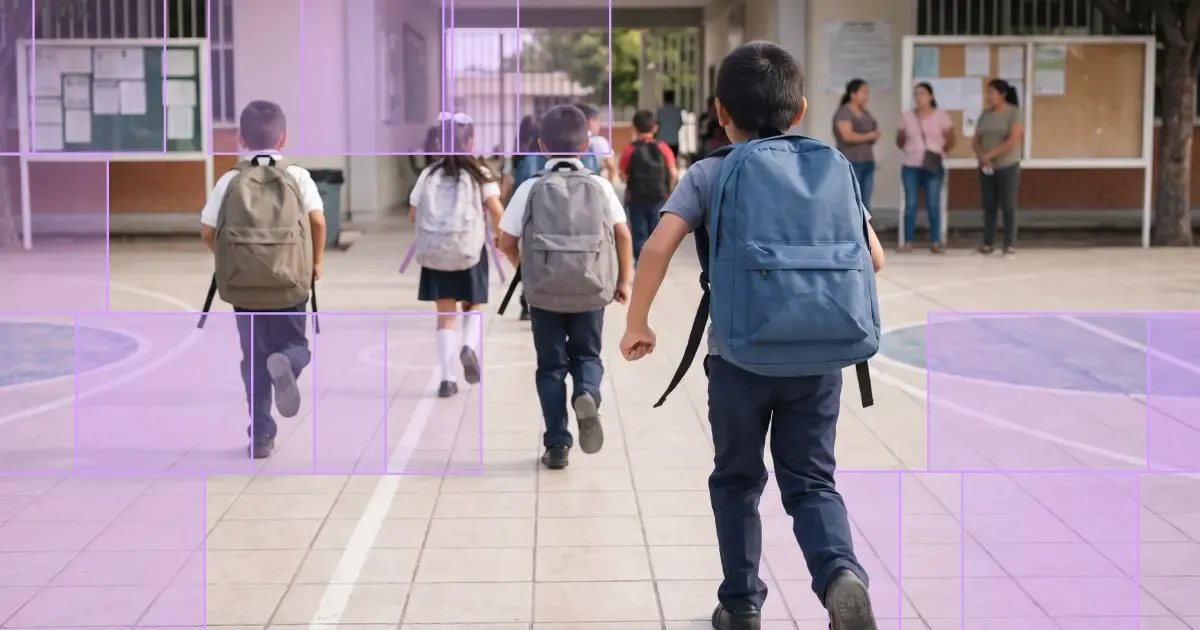
O regresso às aulas pode ser uma das alturas do ano em que mais sentimos a distância de quem nos é próximo. É também uma das épocas mais dispendiosas: material escolar, uniformes, propinas e despesas do dia a dia acumulam-se muitas vezes ao mesmo tempo. Muitas pessoas ajudam os familiares no estrangeiro a fazer face a estes custos, enviando-lhes dinheiro. Para ajudar nesta altura do ano, os novos clientes da Paysend beneficiam de um primeiro envio sem taxas e de uma taxa de câmbio mais vantajosa durante o período de regresso às aulas.
Quer esteja a ajudar a pagar propinas ou despesas do dia a dia, uma transferência internacional permite apoiar quem precisa, precisamente quando é necessário. Com a Paysend, pode enviar dinheiro para mais de 170 países através de métodos de pagamento simples e seguros. Veja como se pode registar gratuitamente e aproveitar a oferta.

Todo mês, milhares de pessoas que trabalham na República Tcheca enviam parte do salário para casa — muitas delas são ucranianos que sustentam a família do outro lado da fronteira. E o caminho tradicional torna mais difícil algo que deveria ser simples: transferências bancárias que exigem IBAN e códigos SWIFT, tarifas que só aparecem depois que o dinheiro já saiu, e dias de espera enquanto alguém em casa conta com esse valor.
Pavel Štich ajuda seus leitores a resolver exatamente esse problema há anos. Ele é cofundador e editor-chefe de finanças da Moneyo.cz, uma plataforma tcheca independente que compara serviços de transferência de dinheiro, corretoras e investimentos alternativos — e Embaixador da Paysend, o que significa que ele testa pessoalmente tudo o que recomenda, explica de forma simples e oferece aos seus leitores vantagens exclusivas. Perguntamos a ele como surgiu a Moneyo, quem a lê e por que escolheu a Paysend.


