What are SEPA transfers?

We understand that some of you have experienced challenges when attempting to fund money transfers using your bank cards.
In light of this, we’d like to introduce a reliable alternative:
Make payments via SEPA (Single Euro Payments Area)
Why choose SEPA?
Secure and Reliable
SEPA is a reliable payment option used in Europe.
Lower Decline Rates
Compared to card transactions, SEPA transfers experience lower decline rates.
Fast Transactions
SEPA is instant 75% of the time and is as quick as card payments.
Fee-Free
By choosing to fund your transfers via SEPA using Paysend, you can benefit from a money transfer free of charge.
How to use SEPA?
Follow these simple steps:
- Open your Paysend app or website and click How to pay your transfer. Select SEPA instant & regular transfer options.
- Set up a payment option through your internet or mobile banking.
- Deposit the exact amount you wish to send your recipient with the reference code into the Paysend EUR account. This amount will be the one transferred straight away.
- 75% of the time, transfers are successful within a few minutes.
Últimas publicações
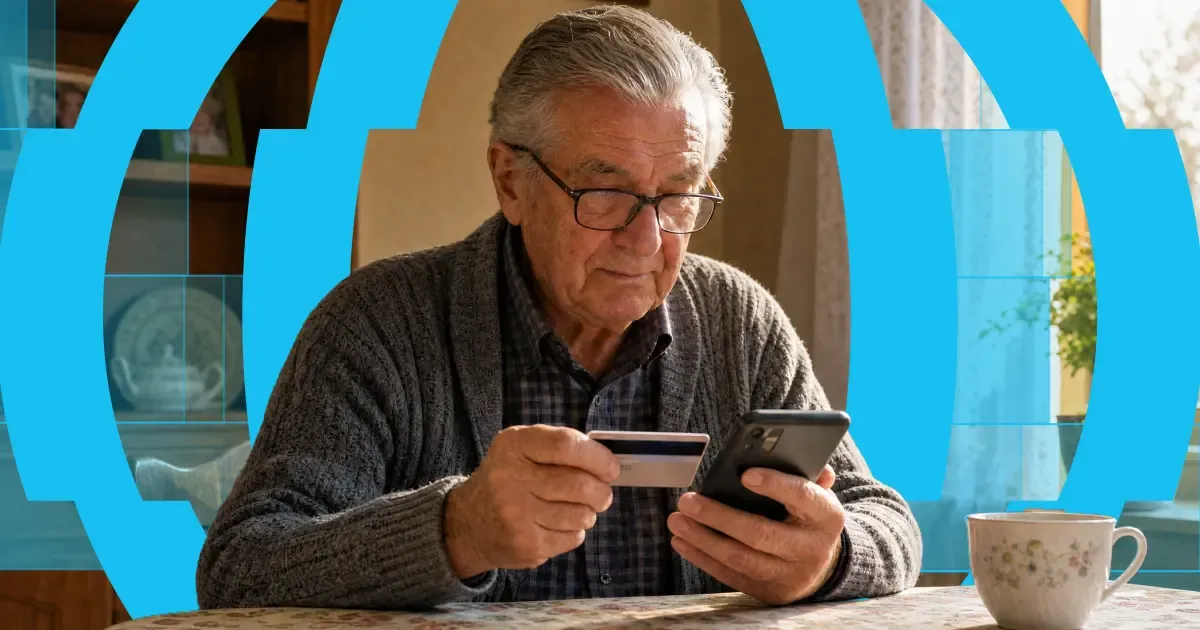
Here's the short answer: yes, you can use a credit card to get money into someone's bank account abroad. "Credit card to bank transfer" means exactly that — you fund the transfer with your credit card, and your recipient receives it in their bank account. Or on their card, in their wallet, or as cash to collect, depending on where they are.
The card and the bank account do different jobs. Your card pays for the transfer. A provider like Paysend then pays the money out through local systems on the other end. It's one flow, and it takes about a minute in the app.
One thing worth knowing before you start: a credit card is usually the most expensive way to fund a transfer. Some issuers treat it as a cash advance, and credit tends to carry higher payment fees than debit. You'll always see the full cost, exchange rate included, before you confirm anything. What follows is: the ways your money can arrive, what each one costs, how fast it gets there, and the cheaper routes worth checking first.

Todo mês, milhares de pessoas que trabalham na República Tcheca enviam parte do salário para casa — muitas delas são ucranianos que sustentam a família do outro lado da fronteira. E o caminho tradicional torna mais difícil algo que deveria ser simples: transferências bancárias que exigem IBAN e códigos SWIFT, tarifas que só aparecem depois que o dinheiro já saiu, e dias de espera enquanto alguém em casa conta com esse valor.
Pavel Štich ajuda seus leitores a resolver exatamente esse problema há anos. Ele é cofundador e editor-chefe de finanças da Moneyo.cz, uma plataforma tcheca independente que compara serviços de transferência de dinheiro, corretoras e investimentos alternativos — e Embaixador da Paysend, o que significa que ele testa pessoalmente tudo o que recomenda, explica de forma simples e oferece aos seus leitores vantagens exclusivas. Perguntamos a ele como surgiu a Moneyo, quem a lê e por que escolheu a Paysend.


