Driving in France as an American
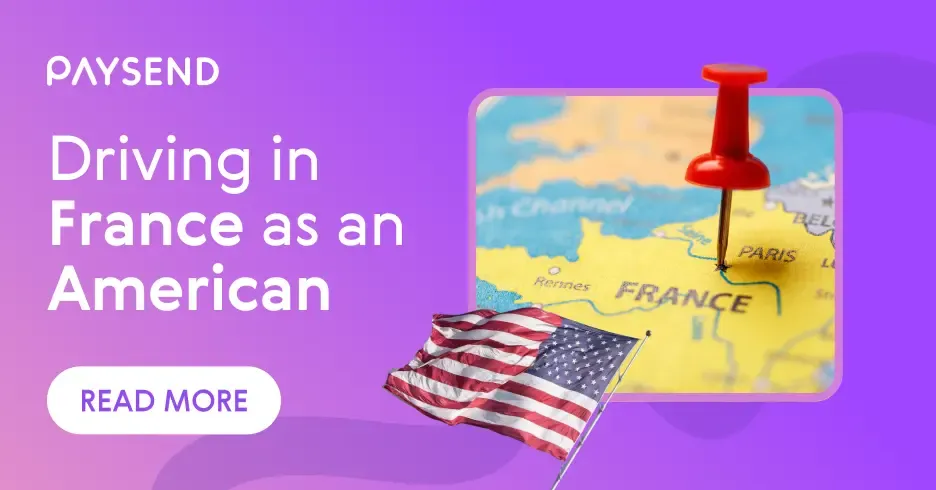
Planning a road trip through France? Driving in France as an American is a great way to explore charming villages, coastal routes, and wine country at your own pace. In this blog, you’ll find out what documents you need, how driving in France compares to the US, and what to know if you’re renting a car during your stay.
Do Americans Need an International Driving Permit in France?
Yes. If you’re visiting France as a tourist, you can drive using your valid US driver’s license along with an International Driving Permit (IDP). The IDP is a translation of your US license and is required by French authorities to legally drive. You can get one easily through AAA before traveling.
Documents Required for Driving in France
Essential documents include your US driver’s license, your IDP, passport, car registration papers, and proof of insurance. Failure to carry these can result in fines if stopped by the police.
Driving in France vs the US: Key Differences
In France, you drive on the right side of the road, just like in the US. However, speed limits are in kilometers per hour (e.g., 130 km/h on motorways). Many highways have toll booths (péages), so keep euros or a card ready. Drink-driving laws are stricter in France, with a blood alcohol limit of 0.05%, compared to 0.08% in most US states. Roundabouts are common, and drivers often need to give priority to the right in city streets, whereas US roads usually have clearer yield signage.
Renting a Car in France as an American
If you’re renting a car, the minimum age is usually 21, but drivers under 25 may face additional fees. You’ll need your US license, IDP, passport, and a credit card in the driver’s name. Basic insurance is typically included, but check the deductible amount. Fuel options include diesel and petrol, so confirm which your rental uses before filling up.
Tips for Driving in France
Book automatic cars in advance since manual transmissions are more common. Check your planned route for toll roads. Understand road signs such as “Rappel” (speed limit reminder) and “Sortie” (exit). Watch for speed cameras, especially near villages. For parking, blue zones require a parking disc, so check local rules to avoid fines.
Driving in France as an American is straightforward when you’re prepared with the correct documents and know the road rules. Whether you’re exploring Provence, Normandy’s coast, or the French Alps, a road trip lets you see more and travel on your own schedule.
Need to send money to France? From paying property deposits to supporting family abroad, Paysend offers fast, secure transfers with competitive exchange rates and no hidden fees.
The educational materials on this site are provided for informational purposes only and do not reflect the opinions of Central Bank of Kansas City, Member FDIC. Educational materials may contain links to content on third-party websites which are provided for your convenience; please note that linked sites may have a privacy and security policy different from our own, and we cannot attest to the accuracy of information. The Central Bank of Kansas City does not guarantee nor expressly endorse any particular business, product, service, or third-party content.
Ultimele postări
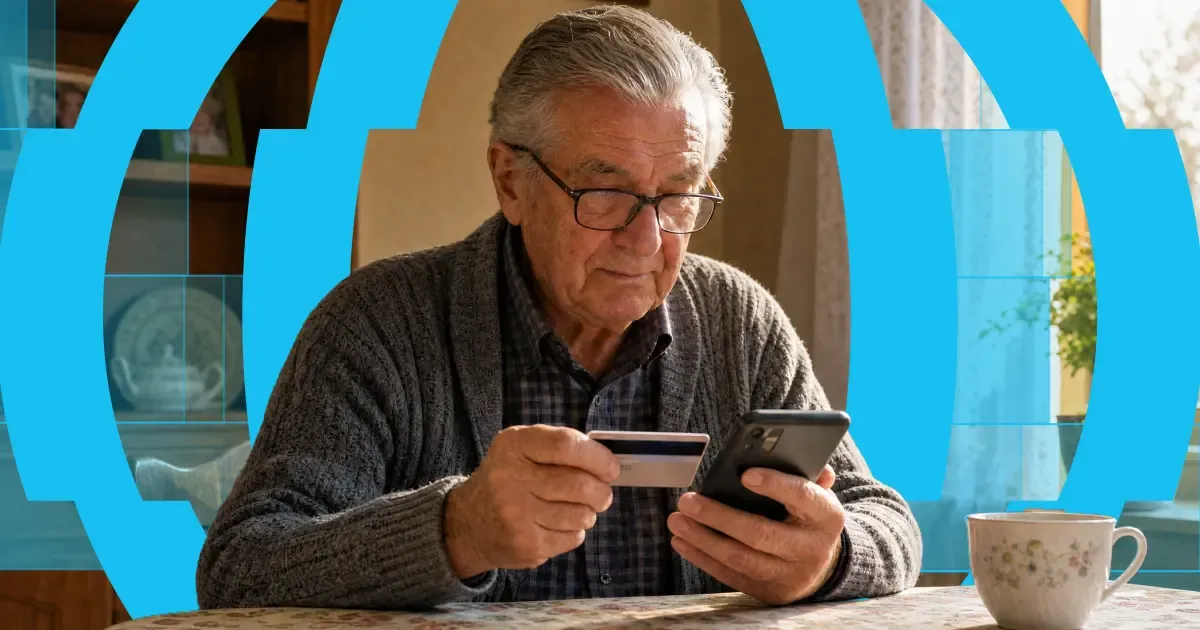
Here's the short answer: yes, you can use a credit card to get money into someone's bank account abroad. "Credit card to bank transfer" means exactly that — you fund the transfer with your credit card, and your recipient receives it in their bank account. Or on their card, in their wallet, or as cash to collect, depending on where they are.
The card and the bank account do different jobs. Your card pays for the transfer. A provider like Paysend then pays the money out through local systems on the other end. It's one flow, and it takes about a minute in the app.
One thing worth knowing before you start: a credit card is usually the most expensive way to fund a transfer. Some issuers treat it as a cash advance, and credit tends to carry higher payment fees than debit. You'll always see the full cost, exchange rate included, before you confirm anything. What follows is: the ways your money can arrive, what each one costs, how fast it gets there, and the cheaper routes worth checking first.

În fiecare lună, mii de persoane care lucrează în Cehia trimit acasă o parte din salariu — mulți dintre ei sunt ucraineni care își sprijină familia de peste graniță. Iar drumul tradițional îngreunează ceea ce ar trebui să fie simplu: transferuri bancare care cer IBAN și coduri SWIFT, comisioane care apar abia după ce banii au plecat deja, și zile de așteptare în timp ce cineva de acasă contează pe ei.
Pavel Štich își ajută cititorii de ani de zile să rezolve exact această problemă. Este cofondator și redactor-șef finanțe la Moneyo.cz, o platformă cehă independentă care compară serviciile de transfer de bani, brokerii bursieri și investițiile alternative — și Ambasador Paysend, ceea ce înseamnă că testează personal tot ce recomandă, explică simplu și oferă cititorilor săi avantaje exclusive. L-am întrebat cum a apărut Moneyo, cine îl citește și de ce a ales Paysend.


