Why Paysend Verification Matters – and How It Keeps You Safe
When it comes to sending money across the world, trust and security come first. At Paysend, we’re proud to make global transfers quick and easy – but we also take your safety seriously. That’s why we have a few verification steps in place to make sure your money always gets where it needs to go, securely and without worry.
If you’ve ever wondered why we ask for a few extra details, this guide will explain what verification is, why it matters, and how it actually benefits you.
What Is Verification and Why Do We Need It?
Think of verification as your digital ID check. It’s how we confirm that every transaction really comes from you. This helps us keep your account safe, prevent fraud and ensure that every transfer meets international financial standards.
Depending on how much and how often you send money, or which countries you transfer to, we may ask you to confirm and verify some details. It’s a small step that goes a long way toward protecting your account and keeping the Paysend community secure.
Types of Verification You Might See
To make sure everything runs smoothly, we may ask for one or more of the following:
- Identity verification – confirming it’s really you
- Address verification – making sure we can reach you safely
- Purpose of sending money – understanding your transfers
- Source of funds – confirming your money comes from a legitimate source
- Payment method or recipient verification – adding an extra layer of safety
Each step helps us tailor your account experience. In fact, completing verification can increase your sending limits and unlock more destination countries, making it easier to send money where it matters most.
When We Might Ask for Verification Again
Sometimes, you might notice we ask for verification more than once. Don’t worry, it’s completely normal.
This can happen when you increase your sending limits, update your personal data or phone number, add or change your card, or simply when regulations require us to check again.
These extra checks help us keep your account compliant with international standards and maintain the highest levels of security without slowing down your transfers.
Our Promise to You
We understand that verification can sometimes feel like an extra step, but it’s one that truly matters. Behind every request is our commitment to keeping your information private, your money protected, and your experience simple.
At Paysend, your trust means everything to us. We’re constantly working to make verification smoother, faster, and more transparent because a secure service should also be a stress-free one.
The educational materials on this site are provided for informational purposes only and do not reflect the opinions of Central Bank of Kansas City, Member FDIC. Educational materials may contain links to content on third-party websites, which are provided for your convenience; please note that linked sites may have a privacy and security policy different from our own, and we cannot attest to the accuracy of information. The Central Bank of Kansas City does not guarantee nor expressly endorse any particular business, product, service, or third-party content.
Ultimele postări
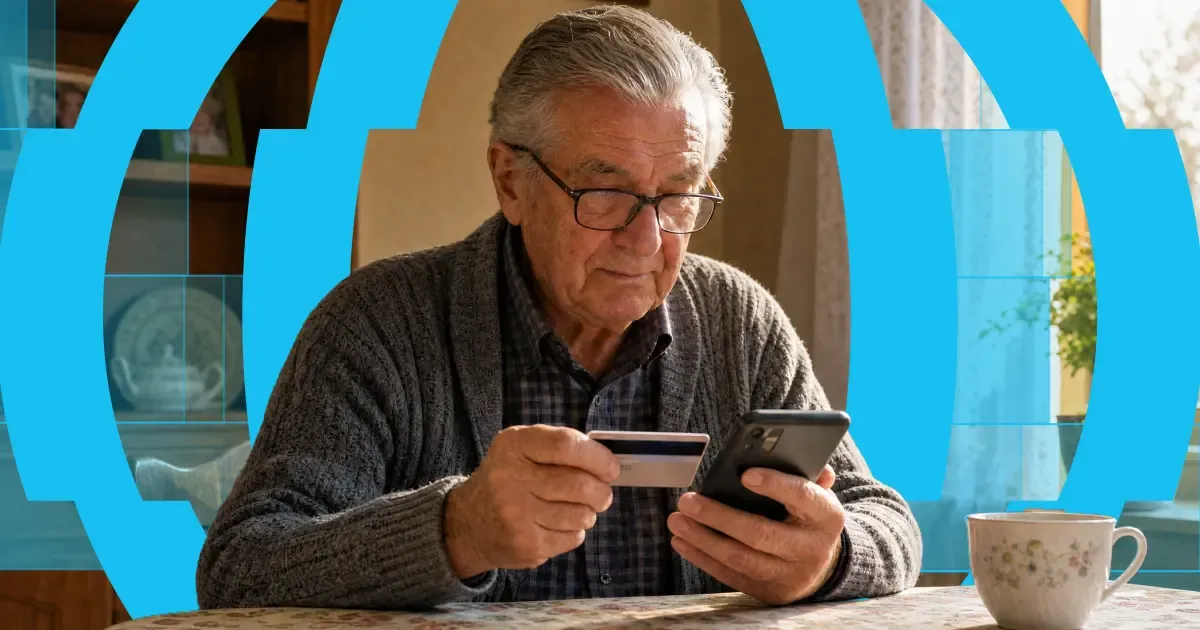
Here's the short answer: yes, you can use a credit card to get money into someone's bank account abroad. "Credit card to bank transfer" means exactly that — you fund the transfer with your credit card, and your recipient receives it in their bank account. Or on their card, in their wallet, or as cash to collect, depending on where they are.
The card and the bank account do different jobs. Your card pays for the transfer. A provider like Paysend then pays the money out through local systems on the other end. It's one flow, and it takes about a minute in the app.
One thing worth knowing before you start: a credit card is usually the most expensive way to fund a transfer. Some issuers treat it as a cash advance, and credit tends to carry higher payment fees than debit. You'll always see the full cost, exchange rate included, before you confirm anything. What follows is: the ways your money can arrive, what each one costs, how fast it gets there, and the cheaper routes worth checking first.

În fiecare lună, mii de persoane care lucrează în Cehia trimit acasă o parte din salariu — mulți dintre ei sunt ucraineni care își sprijină familia de peste graniță. Iar drumul tradițional îngreunează ceea ce ar trebui să fie simplu: transferuri bancare care cer IBAN și coduri SWIFT, comisioane care apar abia după ce banii au plecat deja, și zile de așteptare în timp ce cineva de acasă contează pe ei.
Pavel Štich își ajută cititorii de ani de zile să rezolve exact această problemă. Este cofondator și redactor-șef finanțe la Moneyo.cz, o platformă cehă independentă care compară serviciile de transfer de bani, brokerii bursieri și investițiile alternative — și Ambasador Paysend, ceea ce înseamnă că testează personal tot ce recomandă, explică simplu și oferă cititorilor săi avantaje exclusive. L-am întrebat cum a apărut Moneyo, cine îl citește și de ce a ales Paysend.


