The Gig Economy Is Here to Stay — But Can Payments Keep Up?
Hello, I’m Danny, and I head up EMEA for Paysend Enterprise’s Commercial Team.
If there’s one trend that’s reshaping work in our regions, it’s the gig economy. From food delivery riders in London, to freelance designers in Berlin, to taskers in Lagos, flexible, on-demand work is changing how millions earn a living.
The numbers tell the story.
Europe’s gig economy is growing at more than 15% a year. In Africa, mobile-first platforms are exploding as smartphone adoption rises. Millions of people are now relying on platform work, often across borders, as a primary income source.
But here’s the catch.
Getting paid is still a pain point. Workers want fast, flexible payouts, not waiting a week or more. They want options that fit their lives: some prefer money sent straight to their bank card, others use mobile wallets. And for the platforms themselves, handling this diversity across borders, currencies, and regulations is a constant challenge.
That’s where Paysend helps.
We specialise in instant, cross-border payouts. Through Visa Direct, Mastercard Send, and local schemes, we make it possible for platforms to pay workers directly to their card or wallet, often within minutes, 24/7. No need for multiple local bank accounts, no endless integrations. Just one partnership that scales with you.
Think about the impact:
A delivery rider in Madrid cashing out earnings instantly after a shift.
A gig worker in Nairobi receives wages directly to their mobile wallet, without delay.
A creative freelancer in Paris getting paid the same day by an international client.
When workers are paid quickly and reliably, they stay engaged. And when platforms can simplify their payout model, they scale faster and with fewer headaches.
The gig economy isn’t slowing down, and neither should your payments. Let’s re-think how payouts can power the future of work.
Ultimele postări
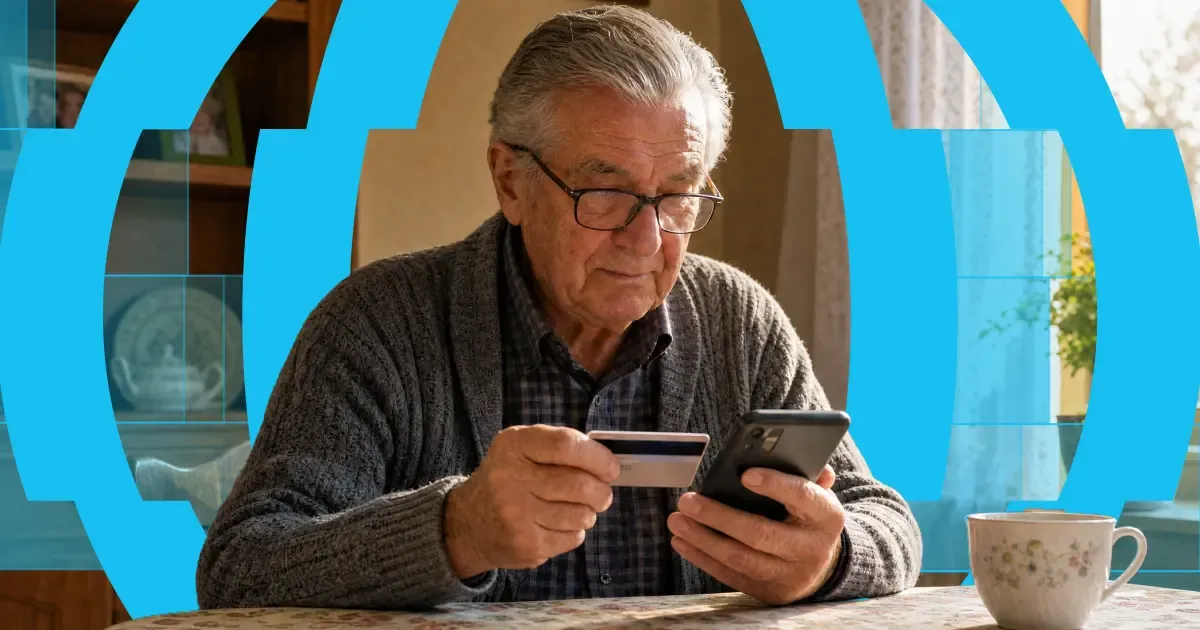
Here's the short answer: yes, you can use a credit card to get money into someone's bank account abroad. "Credit card to bank transfer" means exactly that — you fund the transfer with your credit card, and your recipient receives it in their bank account. Or on their card, in their wallet, or as cash to collect, depending on where they are.
The card and the bank account do different jobs. Your card pays for the transfer. A provider like Paysend then pays the money out through local systems on the other end. It's one flow, and it takes about a minute in the app.
One thing worth knowing before you start: a credit card is usually the most expensive way to fund a transfer. Some issuers treat it as a cash advance, and credit tends to carry higher payment fees than debit. You'll always see the full cost, exchange rate included, before you confirm anything. What follows is: the ways your money can arrive, what each one costs, how fast it gets there, and the cheaper routes worth checking first.

În fiecare lună, mii de persoane care lucrează în Cehia trimit acasă o parte din salariu — mulți dintre ei sunt ucraineni care își sprijină familia de peste graniță. Iar drumul tradițional îngreunează ceea ce ar trebui să fie simplu: transferuri bancare care cer IBAN și coduri SWIFT, comisioane care apar abia după ce banii au plecat deja, și zile de așteptare în timp ce cineva de acasă contează pe ei.
Pavel Štich își ajută cititorii de ani de zile să rezolve exact această problemă. Este cofondator și redactor-șef finanțe la Moneyo.cz, o platformă cehă independentă care compară serviciile de transfer de bani, brokerii bursieri și investițiile alternative — și Ambasador Paysend, ceea ce înseamnă că testează personal tot ce recomandă, explică simplu și oferă cititorilor săi avantaje exclusive. L-am întrebat cum a apărut Moneyo, cine îl citește și de ce a ales Paysend.


