Paysend is waiving transfer fee to Venezuela to support earthquake relief

Following the earthquakes that struck Venezuela on 24 June 2026, Paysend is waiving its transfer fee on money sent to Venezuela for two weeks, from 25 June to July 9 2026, so you can support family and friends without paying a fee. Exchange rates apply as normal, and you'll always see the full cost before you send.
What Paysend is doing
For the relief period, you won't pay a Paysend transfer fee when you send money to Venezuela. The transfer works as it always does — the fee is simply waived so more of what you send reaches the people who need it.
Which transfers are fee-free?
Transfers to Venezuela, whether you send to a Mastercard card, a bank account, or via SWIFT. There's no restriction on which country you send from.
How long does the fee-free period last?
The fee waiver runs for two weeks, from 25 June to July 9 2026.
How to send money to Venezuela
- Open the Paysend app, or log in at paysend.com.
- Choose your recipient in Venezuela, or add a new one.
- Enter the amount — you'll see the full cost, with no transfer fee, before you confirm.
- Pay and send. We'll let you know when your money is on its way.
How your recipient receives the money
Your recipient can receive money to a Mastercard card or a bank account, including transfers sent via SWIFT.
Do exchange rates still apply?
Yes. This waiver removes the transfer fee. Exchange rates apply as normal, and you'll always see the full cost before you confirm.
Need help?
Our support team is here 24/7. Get in touch if you have a question before or after you send.
The disclaimer:
Valid from 25th June 2026 through 9th July 2026. Complete an international transfer from any sending country supported by Paysend (except the United States) to Venezuela, with no minimum amount required. Multiple uses permitted. No promo code is required. FX rates are determined by Paysend and may include a margin. Third-party fees may apply. TERMS AND CONDITIONS APPLY https://paysend.com/marketing-tc.
Ultimele postări
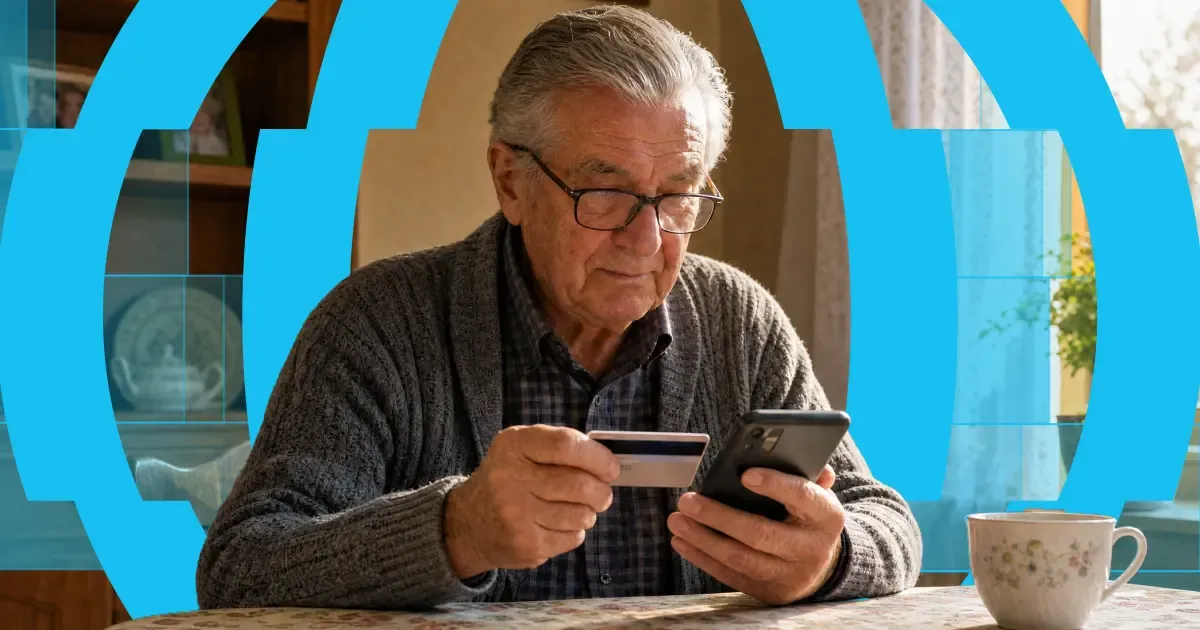
Here's the short answer: yes, you can use a credit card to get money into someone's bank account abroad. "Credit card to bank transfer" means exactly that — you fund the transfer with your credit card, and your recipient receives it in their bank account. Or on their card, in their wallet, or as cash to collect, depending on where they are.
The card and the bank account do different jobs. Your card pays for the transfer. A provider like Paysend then pays the money out through local systems on the other end. It's one flow, and it takes about a minute in the app.
One thing worth knowing before you start: a credit card is usually the most expensive way to fund a transfer. Some issuers treat it as a cash advance, and credit tends to carry higher payment fees than debit. You'll always see the full cost, exchange rate included, before you confirm anything. What follows is: the ways your money can arrive, what each one costs, how fast it gets there, and the cheaper routes worth checking first.

În fiecare lună, mii de persoane care lucrează în Cehia trimit acasă o parte din salariu — mulți dintre ei sunt ucraineni care își sprijină familia de peste graniță. Iar drumul tradițional îngreunează ceea ce ar trebui să fie simplu: transferuri bancare care cer IBAN și coduri SWIFT, comisioane care apar abia după ce banii au plecat deja, și zile de așteptare în timp ce cineva de acasă contează pe ei.
Pavel Štich își ajută cititorii de ani de zile să rezolve exact această problemă. Este cofondator și redactor-șef finanțe la Moneyo.cz, o platformă cehă independentă care compară serviciile de transfer de bani, brokerii bursieri și investițiile alternative — și Ambasador Paysend, ceea ce înseamnă că testează personal tot ce recomandă, explică simplu și oferă cititorilor săi avantaje exclusive. L-am întrebat cum a apărut Moneyo, cine îl citește și de ce a ales Paysend.


