How to send money to India

Sending money from the UK to India has never been easier. With Paysend, you can transfer money quickly, affordably and with peace of mind, knowing that your funds are secure. Whether you're supporting family or handling larger expenses, we’ve got you covered. Here's everything you need to know about how you can send money from the UK to India.
How to send money to India from the UK
Sending money internationally may seem complicated, but with Paysend, it's as simple as a few clicks. You can easily check exchange rates to India here. Just select your sending country, and your recipient country - in this case your recipient country will be India. Rates checked? Here’s how to start sending money:
- Register for free: Sign up with Paysend. The process is quick and easy, getting you ready to transfer in no time.
- Select India as the destination: After logging in, simply choose India as the receiving country.
- Choose your delivery method: Whether you’re sending money to a bank account, UPI (Unified Payments Interface) or a bank card, you can choose the method that works best for you and your recipient.
To a bank account: Fee-free transfers directly to a recipient’s Indian bank account in INR.
To a bank account (via UPI): Fast, fee-free transfers via the recipient’s UPI, paid in INR.
To a bank card: Send money quickly and easily to a recipient’s Mastercard or Visa, with payouts in INR or USD.
When sending, you’ll be asked to tell us why you’re transferring money.
Here’s the options you’ll be given:
-Family Maintenance
-Transfer to Own Account - Add your recipient’s details: Enter the recipient's bank account number, IFSC code, first and last names and your relationship with them.
- Enter the amount to send: You’ll be shown the exchange rate and how much your recipient will receive in INR.
- Select your payment method: Choose how you'd like to pay - we recommend Apple Pay and Google Pay, but debit or credit cards are also accepted.
- Adding your ID: Provide details of your ID - passport, drivers licence or National ID to comply with security regulations.
- Complete your transfer: Once you've filled in all the details you can see all final terms applied (fees and FX rate), just click 'Confirm and Send' and we’ll handle the rest!
How long will a money transfer to India take?
At Paysend, we understand the importance of fast transfers. When sending money to India, funds are usually paid instantly. However, transfer times can vary depending on the payment method or if additional verification is required. You can track your transfer through your Paysend account and know exactly when your recipient will get their money.
It’s easy to track a transfer in your app. For details on how to track your transfer, click here.
How much does it cost to transfer money to India?
Paysend offers one of the most competitive fees for sending money to India from the UK, or from any country in the world. You’ll pay a flat fee of just £1 per transfer - or if you’re sending to a bank account, it’ll be free. There are no hidden charges, meaning the amount shown at checkout is exactly what you’ll pay.
Supporting everyday needs and more
Whether it’s covering daily expenses like groceries, utilities or medical care, sending money to India helps families stay connected and financially secure. With Paysend’s low-cost, secure transfers, you can ensure that more of your hard-earned money reaches your loved ones.
The best way to experience Paysend is through our mobile app, designed for quick access and seamless transactions. Choose the download link for your device below:
- iOS users: Download the app here
- Android users: Download the app here
- Huawei users: Download the app here
Or, if you’re more of a web browser person, you can also create your account through our website.
Ultimele postări
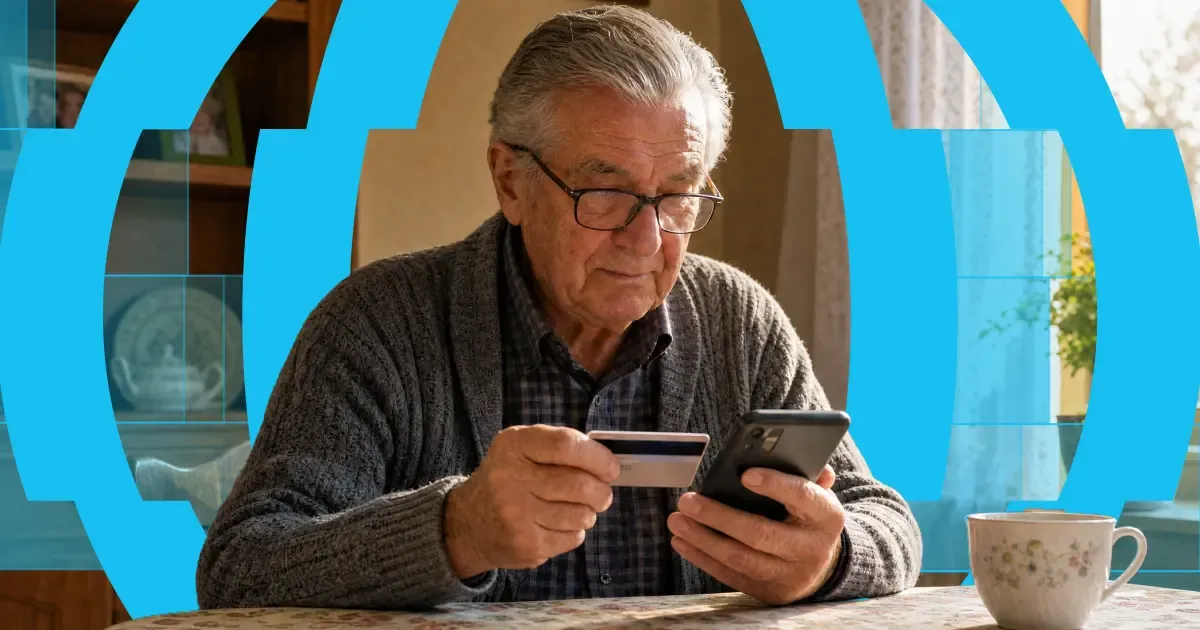
Here's the short answer: yes, you can use a credit card to get money into someone's bank account abroad. "Credit card to bank transfer" means exactly that — you fund the transfer with your credit card, and your recipient receives it in their bank account. Or on their card, in their wallet, or as cash to collect, depending on where they are.
The card and the bank account do different jobs. Your card pays for the transfer. A provider like Paysend then pays the money out through local systems on the other end. It's one flow, and it takes about a minute in the app.
One thing worth knowing before you start: a credit card is usually the most expensive way to fund a transfer. Some issuers treat it as a cash advance, and credit tends to carry higher payment fees than debit. You'll always see the full cost, exchange rate included, before you confirm anything. What follows is: the ways your money can arrive, what each one costs, how fast it gets there, and the cheaper routes worth checking first.

În fiecare lună, mii de persoane care lucrează în Cehia trimit acasă o parte din salariu — mulți dintre ei sunt ucraineni care își sprijină familia de peste graniță. Iar drumul tradițional îngreunează ceea ce ar trebui să fie simplu: transferuri bancare care cer IBAN și coduri SWIFT, comisioane care apar abia după ce banii au plecat deja, și zile de așteptare în timp ce cineva de acasă contează pe ei.
Pavel Štich își ajută cititorii de ani de zile să rezolve exact această problemă. Este cofondator și redactor-șef finanțe la Moneyo.cz, o platformă cehă independentă care compară serviciile de transfer de bani, brokerii bursieri și investițiile alternative — și Ambasador Paysend, ceea ce înseamnă că testează personal tot ce recomandă, explică simplu și oferă cititorilor săi avantaje exclusive. L-am întrebat cum a apărut Moneyo, cine îl citește și de ce a ales Paysend.


