Sending money abroad with HSBC

HSBC is a British bank with around 7,500 branches in over 80 countries and territories in Europe, the Asia-Pacific region, the Americas, the Middle East and Africa. You can do your everyday banking with HSBC, get a loan from HSBC, send money abroad with HSBC… There are plenty of services available.
But is it worth transferring money with HSBC given that there are specialist money transfer services that can be easier, cheaper and faster?
We’ve put together this handy blog with lots of key information about using HSBC for your money transfers, including some of the pros and cons of using HSBC to send money abroad.
This way, you can easily decide whether HSBC is right for you. So read on if you’re considering using HSBC for your next transfer!
How to send money abroad with HSBC
With HSBC, you can choose to either go in-branch to make a transfer with the help of a HSBC cashier, or use HSBC’s online banking service to transfer funds to your recipient. You should bear in mind that in order to send money abroad with HSBC you’ll need to have a bank account with them.
You should bear in mind that there are extra fees if you want to send money using HSBC’s online service. The HSBC website states that using online payments will cost £4 per transfer.
What are the pros and cons of sending money with HSBC?
There are plenty of money transfer options to choose from, so how do you know if HSBC is right for you?
Here are some of the pros and cons of using HSBC for your money transfers, based on cost, speed and simplicity:
Pros:
- Can be useful if you already bank with HSBC - you won’t need to set up a new account
- You can send money for free to people with an HSBC account or in the EEA
- Wide international reach - you can send money to over 150 countries globally
- You can send up to £50,000
Cons:
- Transfer fees can be high when compared to other providers - the £4 online fee is unusual for sending money online
- You can’t send money directly to a card using card details, only a bank account
- HSBC’ exchange rates may not be as good as with other money transfer providers
- You need to be a HSBC bank account holder to use the service
- The recipient may be charged to receive the money depending on where they are
Is there another option to HSBC?
When sending money internationally, you want to find the cheapest way to send money. HSBC may not be the best option if you’re looking to reduce fees for both yourself and your recipient. It’s a good idea to take a look at all of the options available before making your decision about which platform you use.
Paysend is a fast, affordable and hassle-free money transfer app and web browser platform that lets you send money directly to bank accounts or straight to cards - all you need is the recipient’s name and card number!
Money transfers to bank accounts with Paysend have zero transfer fees, and to cards cost just £1, €1.5 or $2 (or equivalent amount). Paysend uses excellent, competitive exchange rates, so if you send money with Paysend you might save yourself some money!
On the Paysend homepage you can find a useful tool to help you find out if your money transfers with Paysend are cheaper than with HSBC. Click here to visit the homepage and get started.
Последние посты

Sending money digitally is quick and convenient, but it also involves important security, verification, and fraud prevention checks. In most cases these checks happen automatically in the background.
If you’ve ever wondered why Paysend asks you to verify your identity, why a transfer might be reviewed, or how your money is protected, the answer is simple: these processes are designed to keep you, your money, and your recipient safe.
Every digital money transfer relies on trust, regulation, and security systems working together. While these checks can sometimes feel like an extra step, they are a standard and essential part of how modern money transfers stay secure.
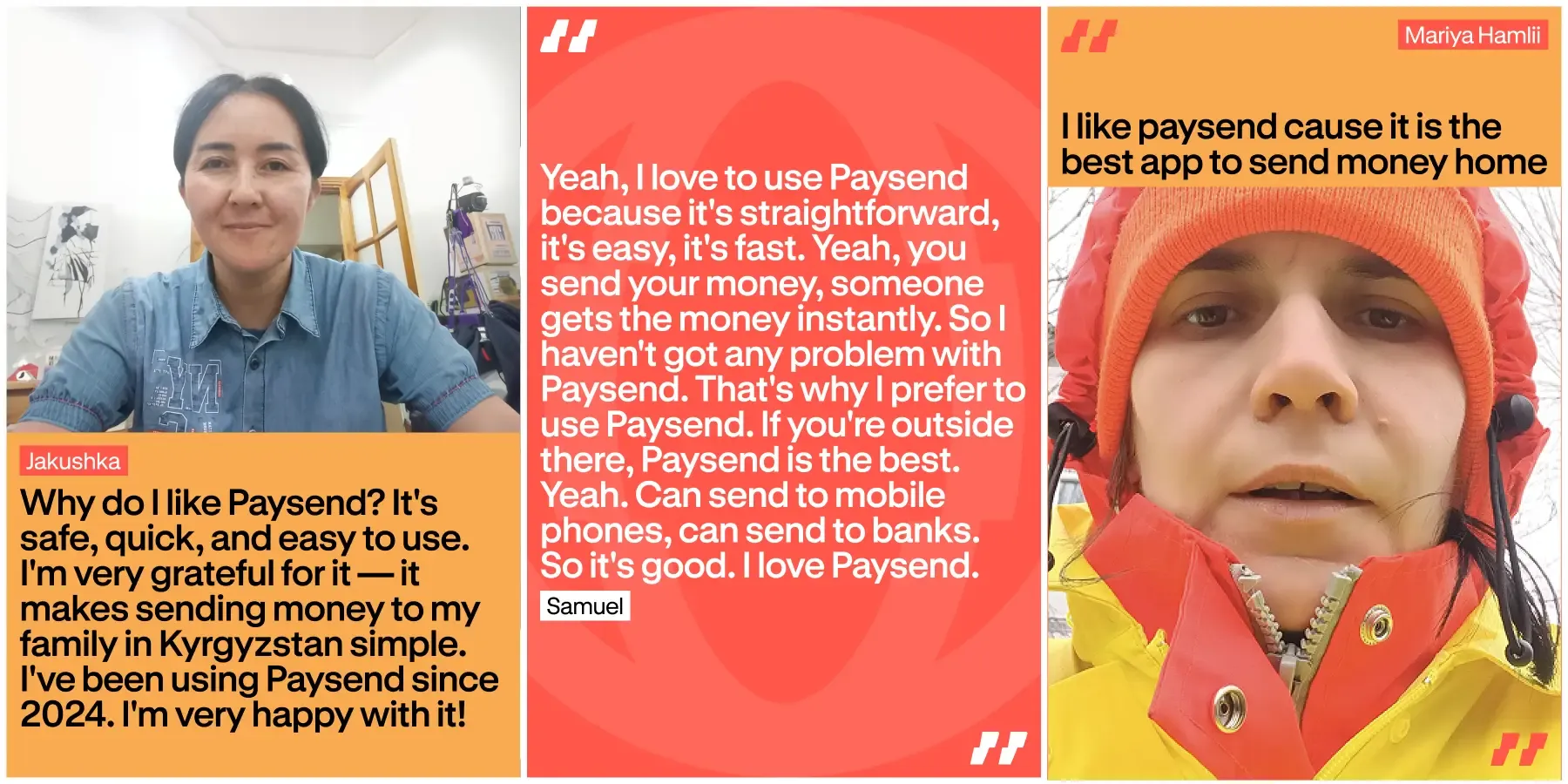
Отправка денег за рубеж должна быть простой и безопасной. С Paysend люди знают, что их деньги поступят быстро и без лишних волнений. Дело не только в скорости – речь идёт о доверии, безопасности и уверенности в том, что сервис работает как часы.
В этой статье мы делимся реальными отзывами клиентов и объясняем, почему надёжность важна в повседневной жизни. Здесь мы расскажем, что люди говорят о Paysend и как сеть помогает безопасно переводить деньги по всему миру каждый день.


