Bank Transfers vs Modern Remittance Apps: A Side-by-Side Reality Check
For decades, sending money internationally meant one thing: a bank transfer. Paperwork, waiting times, confusing fees, and fingers crossed that everything arrived safely.
Fast-forward to 2026, and the reality looks very different.
Today, modern remittance apps like Paysend are changing how people support family and friends across borders — making international transfers faster, clearer, and far more human.
So how do traditional bank transfers really compare?
1. Time: Days vs Minutes
Bank transfers:
International bank transfers may take 2–5 business days, sometimes longer if intermediary banks are involved. Public holidays, weekends, or incorrect details can add even more delays.
Modern remittance apps:
With Paysend, transfers are designed to move in minutes*, not days. For families relying on money for rent, groceries, or medical needs, speed isn’t a luxury — it’s essential.
Reality check: When timing matters, waiting days simply isn’t good enough.
*Your money will be sent in real time; however, transfer delivery times may vary based on recipient bank processing, compliance checks, or other factors.
2. Accessibility: Branches vs Phones
Bank transfers:
Many banks may require in-branch visits, desktop banking, or complex forms. For migrants working long hours or living far from branches, this creates friction — and stress.
Modern remittance apps:
Paysend is built for mobile life. You can send money anytime, anywhere, straight from your phone. No branches. No paperwork. No unnecessary steps.
Reality check: Financial tools should fit around real life — not the other way around.
3. User Experience: Confusing vs Clear
Bank transfers:
May have hidden fees or unclear exchange rates, and multiple intermediaries often mean you don’t know exactly how much your recipient will get — or when.
Modern remittance apps:
Paysend offers transparent pricing and clear FX rates, so you know what’s being sent and what’s received before you tap “send.”
Reality check: Confidence comes from clarity.
Why More People Are Choosing Paysend
As global migration increases and remittances continue to support millions of households worldwide, people are choosing services that respect their time, money, and intent.
Paysend isn’t just fast — it’s built for the way people live today:
- Mobile-first
- Transparent
- Reliable across borders
And beyond the transfers themselves, Paysend regularly runs giveaways and special offers to help users get even more value from every send.
👉 Follow @Paysend on Instagram to stay up to date with promotions, tips, and exclusive rewards.
The materials on this blog are provided for informational purposes only and do not reflect the opinions of Central Bank of Kansas City, Member FDIC. Blog posts may contain links to content on third-party websites, which are provided for your convenience; please note that linked sites may have a privacy and security policy different from our own, and we cannot attest to the accuracy of information. The Central Bank of Kansas City does not guarantee nor expressly endorse any particular business, product, service, or third-party content.
Последние посты
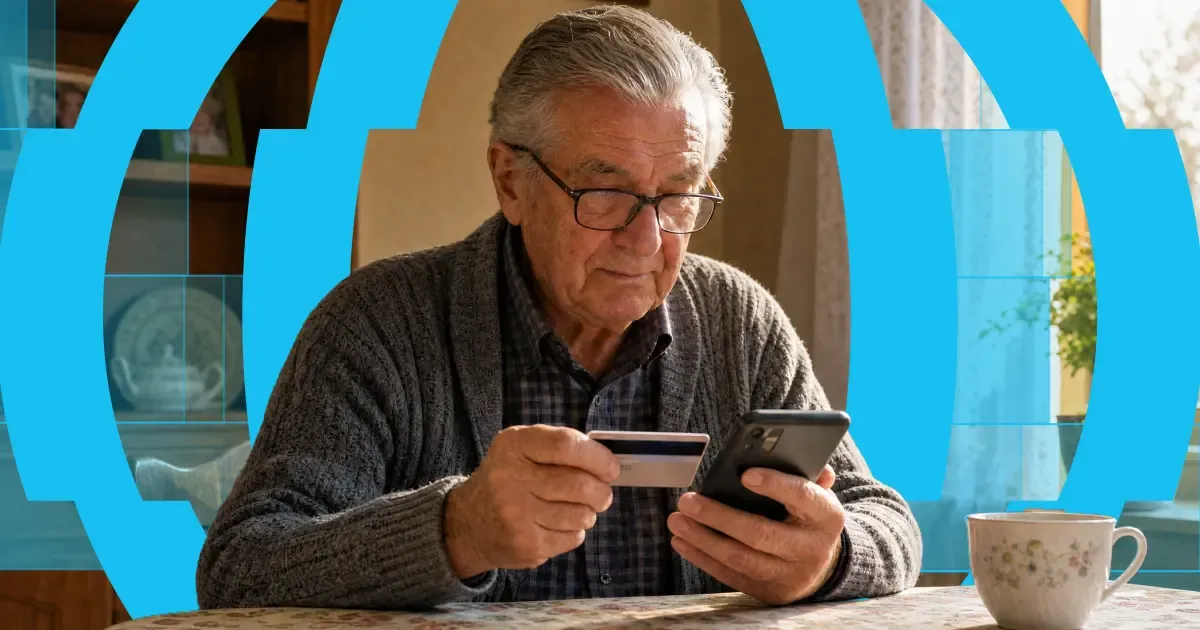
Here's the short answer: yes, you can use a credit card to get money into someone's bank account abroad. "Credit card to bank transfer" means exactly that — you fund the transfer with your credit card, and your recipient receives it in their bank account. Or on their card, in their wallet, or as cash to collect, depending on where they are.
The card and the bank account do different jobs. Your card pays for the transfer. A provider like Paysend then pays the money out through local systems on the other end. It's one flow, and it takes about a minute in the app.
One thing worth knowing before you start: a credit card is usually the most expensive way to fund a transfer. Some issuers treat it as a cash advance, and credit tends to carry higher payment fees than debit. You'll always see the full cost, exchange rate included, before you confirm anything. What follows is: the ways your money can arrive, what each one costs, how fast it gets there, and the cheaper routes worth checking first.

Каждый месяц тысячи людей, работающих в Чехии, отправляют часть зарплаты домой — многие из них украинцы, поддерживающие семью по ту сторону границы. И привычный путь усложняет то, что должно быть простым: банковские переводы, требующие IBAN и SWIFT-коды, комиссии, которые становятся видны только после того, как деньги уже ушли, и дни ожидания, пока кто-то дома рассчитывает на этот перевод.
Павел Штих уже несколько лет помогает своим читателям решать именно эту проблему. Он сооснователь и главный финансовый редактор Moneyo.cz — независимой чешской платформы, которая сравнивает сервисы денежных переводов, брокеров и альтернативные инвестиции, — а также амбассадор Paysend: это значит, что он лично тестирует всё, что рекомендует, объясняет это простым языком и даёт своим читателям эксклюзивные бонусы. Мы спросили его, как появился Moneyo, кто его читает и почему он выбрал Paysend.


