Cash Pick-up added as a receiving method in Nigeria!

We’ve got some good news if you regularly send money to Nigeria!
With technology constantly evolving, it's easy to forget that some people still choose to manage their money the old-fashioned way - in cash rather than digitally.
You may be an expert on mobile or online banking to send and receive money as a Paysend customer, but the people you transfer money to may not!
Many people all over the world still choose to receive money by visiting a money transfer location or bank to retrieve cash. To help those people out we've added cash Pick-up as an alternative option for recipients in Nigeria ensuring that our customers are allowed even more flexibility when receiving or moving their money.
Here are some questions that you might have:
Where can my recipient pick the money up from?
Please see the full list of cash Pick-up locations in Nigeria here.
Will they need to take any ID to pick up the money?
Yes, the recipient’s ID card or passport should be provided when they pick-up.
What else will my recipient need to do to pick-up the money?
The recipient will need to present the transaction code (this will be sent to you once the transfer is sent, all you need to do then is share the code).
The recipient will also need to provide the one-time password which is sent to the recipient’s mobile phone at the time they claim the cash at the pickup location.
When can I send money for cash pick-up?
Cash pick-ups are available Monday to Friday between 8:00 and 16:00. Some pick-up locations are also available on Saturdays between 10:00 and 14:00.
For more info about how to send money for cash Pick-up, check out our FAQ page here.
Get started by using the promo code 5777 with zero commission until May 27 2021.
Последние посты
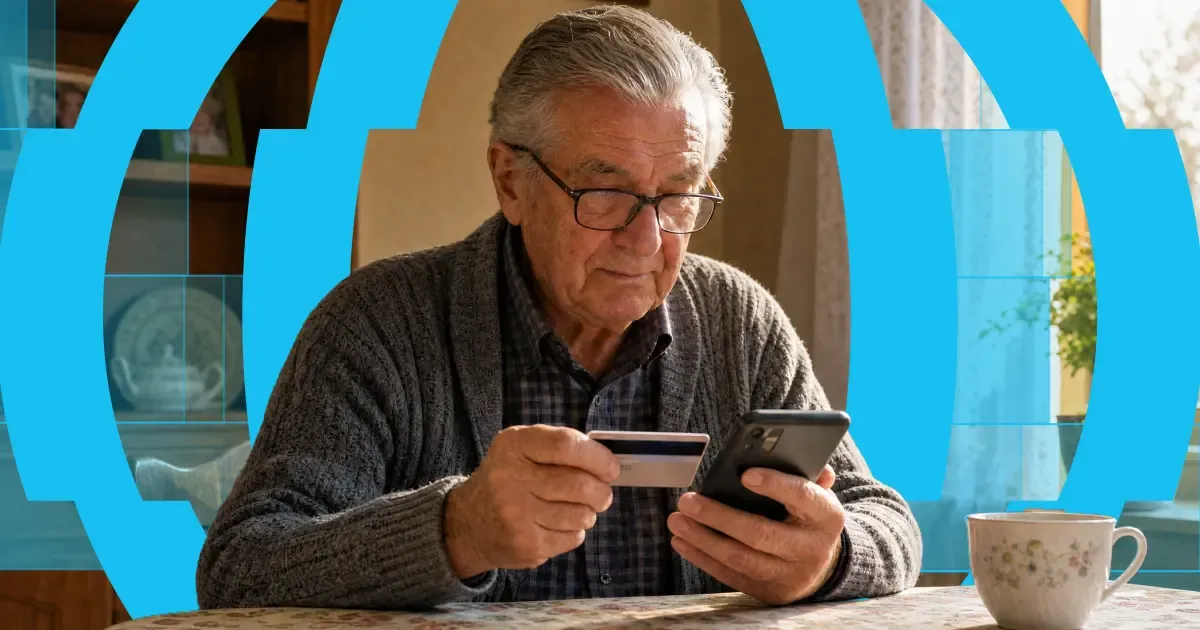
Here's the short answer: yes, you can use a credit card to get money into someone's bank account abroad. "Credit card to bank transfer" means exactly that — you fund the transfer with your credit card, and your recipient receives it in their bank account. Or on their card, in their wallet, or as cash to collect, depending on where they are.
The card and the bank account do different jobs. Your card pays for the transfer. A provider like Paysend then pays the money out through local systems on the other end. It's one flow, and it takes about a minute in the app.
One thing worth knowing before you start: a credit card is usually the most expensive way to fund a transfer. Some issuers treat it as a cash advance, and credit tends to carry higher payment fees than debit. You'll always see the full cost, exchange rate included, before you confirm anything. What follows is: the ways your money can arrive, what each one costs, how fast it gets there, and the cheaper routes worth checking first.

Каждый месяц тысячи людей, работающих в Чехии, отправляют часть зарплаты домой — многие из них украинцы, поддерживающие семью по ту сторону границы. И привычный путь усложняет то, что должно быть простым: банковские переводы, требующие IBAN и SWIFT-коды, комиссии, которые становятся видны только после того, как деньги уже ушли, и дни ожидания, пока кто-то дома рассчитывает на этот перевод.
Павел Штих уже несколько лет помогает своим читателям решать именно эту проблему. Он сооснователь и главный финансовый редактор Moneyo.cz — независимой чешской платформы, которая сравнивает сервисы денежных переводов, брокеров и альтернативные инвестиции, — а также амбассадор Paysend: это значит, что он лично тестирует всё, что рекомендует, объясняет это простым языком и даёт своим читателям эксклюзивные бонусы. Мы спросили его, как появился Moneyo, кто его читает и почему он выбрал Paysend.


