How to Say Mexico City in Spanish – And Sound Like a Local

If you’ve ever wondered how to say Mexico City in Spanish, the most direct translation is Ciudad de México – but that’s just the start of the story.
Because if you ask someone who actually lives in Mexico, you’ll quickly realise that the way locals refer to their capital is highly contextual, often playful, and sometimes deliberately ambiguous. So if you want to sound more like a local – and less like a textbook – here’s what you need to know.
The simple answer: “México”
Yes, really.
For most people in Mexico, Mexico City is just “México.”
If you’re from another part of the country, like Querétaro or Puebla, and you’re heading to the capital, you don’t usually say “Voy a Ciudad de México.” You say:
“Voy a México.”
I’m going to Mexico.
And nobody bats an eye. Everyone understands you mean the city, not the country.
Why? Because Mexicans rely on context. If you’re inside the country, it’s already clear you’re not talking about the nation as a whole — so there’s no need to add “Ciudad de.”
That’s why you’ll see road signs inside Mexico simply say “México” — meaning the city. No confusion. No need for extra words.
Officially? It’s “Ciudad de México” or “CDMX”
When clarity matters — in the news, formal documents, or when talking to someone from outside the country — the full name Ciudad de México is used. Abbreviated, you’ll often see:
- CDMX (pronounced “say-day-em-equis” in Spanish)
- DF or D.F., short for Distrito Federal — a term still used by many, even though it’s technically outdated
So if you’re filling in a form or explaining where you’re from abroad, “Ciudad de México” is the safest and most widely recognised answer.
Want to sound local? Try these alternatives
Mexicans have no shortage of creative nicknames for their capital — and using one of them in the right context can earn you instant respect (or at least a laugh).
Here are some you might hear:
- La Capital – The capital. Simple and polite.
- El Chilango – A light-hearted reference to the city’s nickname for locals (chilangos).
- Chilanguilandia – A humorous twist. Chilango + Disneyland.
- El DeFectuoso – A play on DF and “defective.” Sarcastic but beloved.
- La Ciudad de la Corrupción – Not always flattering, but very much in jest.
- La Estrella de la Muerte – The Death Star. Dark humour, Mexico-style.
- Chairotitlán – You’ll need a full blog just to unpack this one.
Each one carries cultural nuance, irony, or affection — and knowing when to use them (and when not to) is part of what makes Mexican Spanish so rich and layered.
What does CDMX mean?
CDMX stands for Ciudad de México, introduced as part of a rebranding when the city transitioned away from being known as Distrito Federal. It gave Mexico City a more defined political identity and helped modernise its image internationally.
You’ll see CDMX on number plates, government buildings and in the media — but in everyday speech, DF (de-eh-feh) is still alive and well.
How do locals really talk about Mexico City?
If you’re travelling from nearby states — like Morelos, Puebla, or Hidalgo — you might hear:
- “Voy a México”
- “Voy al Chilango”
- “Voy a Chilanguilandia”
- “Voy a la Capital”
- "Voy al Defectuoso”
All of them mean “I’m heading to Mexico City,” and each brings its own tone — from affectionate to ironic.
Want to blend in? Stick with “México” or “la capital”
Unless you’re writing an official document, just saying “México” is perfectly natural if you're within the country. If you’re outside of Mexico and want to be clear, “Ciudad de México” is best.
Trying to sound playful? Try “el Chilango” or “el Defectuoso” with a smile — and be ready to explain the joke if your audience isn’t local.
Final word: it’s all about context
Whether you're booking a trip, sending money home, or just learning Spanish for fun — knowing how people really speak is just as important as formal rules.
So the next time someone asks how to say Mexico City in Spanish, now you know: it’s Ciudad de México, CDMX, DF, or just plain México — and it all depends on where you are and who you’re talking to.
Related posts:
Последние посты
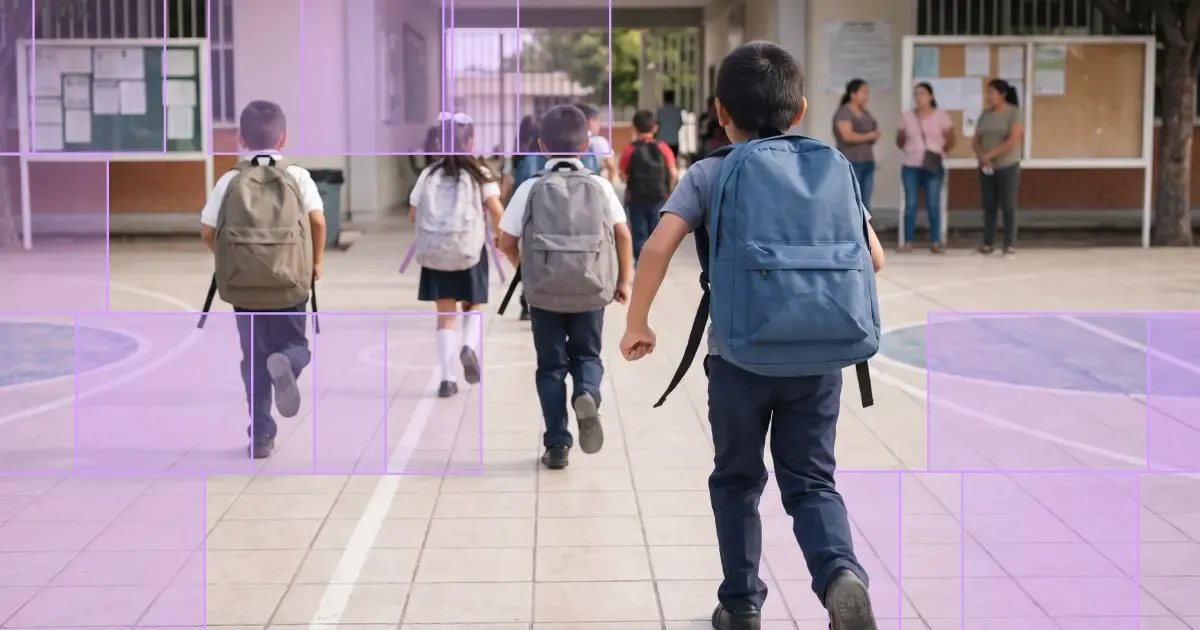
Начало учебного года — один из тех моментов, когда особенно остро ощущаешь расстояние. Это ещё и один из самых затратных периодов года: приходится одновременно оплачивать школьные принадлежности, форму, обучение и повседневные расходы. Многие помогают родным за границей, отправляя деньги. Чтобы помочь с такими расходами, новые клиенты Paysend могут отправить первый перевод без комиссии и по более выгодному курсу в период подготовки к учебному году.
Помогаете ли вы оплачивать учёбу или повседневные расходы, международный перевод позволяет поддержать близких именно тогда, когда это особенно важно. С Paysend можно отправлять деньги более чем в 170 стран удобным способом — ниже рассказываем, как бесплатно зарегистрироваться и воспользоваться предложением.

Каждый месяц тысячи людей, работающих в Чехии, отправляют часть зарплаты домой — многие из них украинцы, поддерживающие семью по ту сторону границы. И привычный путь усложняет то, что должно быть простым: банковские переводы, требующие IBAN и SWIFT-коды, комиссии, которые становятся видны только после того, как деньги уже ушли, и дни ожидания, пока кто-то дома рассчитывает на этот перевод.
Павел Штих уже несколько лет помогает своим читателям решать именно эту проблему. Он сооснователь и главный финансовый редактор Moneyo.cz — независимой чешской платформы, которая сравнивает сервисы денежных переводов, брокеров и альтернативные инвестиции, — а также амбассадор Paysend: это значит, что он лично тестирует всё, что рекомендует, объясняет это простым языком и даёт своим читателям эксклюзивные бонусы. Мы спросили его, как появился Moneyo, кто его читает и почему он выбрал Paysend.


