How to send money to 175 countries globally with Paysend

Millions of people use Paysend to send, receive and request money at any time and with anyone worldwide.
With features such as low fixed fees on money transfers, competitive exchange rates, and the ability to receive instant international payments, Paysend is changing how communities globally manage their money internationally.
That is why we’re excited to announce that our users can make payments in local currency using 119 currencies to 175 payout countries. Millions around the globe will now have the freedom and flexibility to manage their finances through Paysend’s easy-to-use app.
Follow these simple steps to send money online to 175 countries quickly, securely and affordably:
- Download the Paysend app or visit our website online
- Click Sign Up
- Enter your mobile phone number, beginning with the country code
- Enter the 5-digit SMS security code sent to your mobile phone.
- Fill out all mandatory fields (First Name, Last Name, Date of Birth, Email)
Enter your residential address in your country of registration
For more information, click here.
Mga Pinakabagong Post
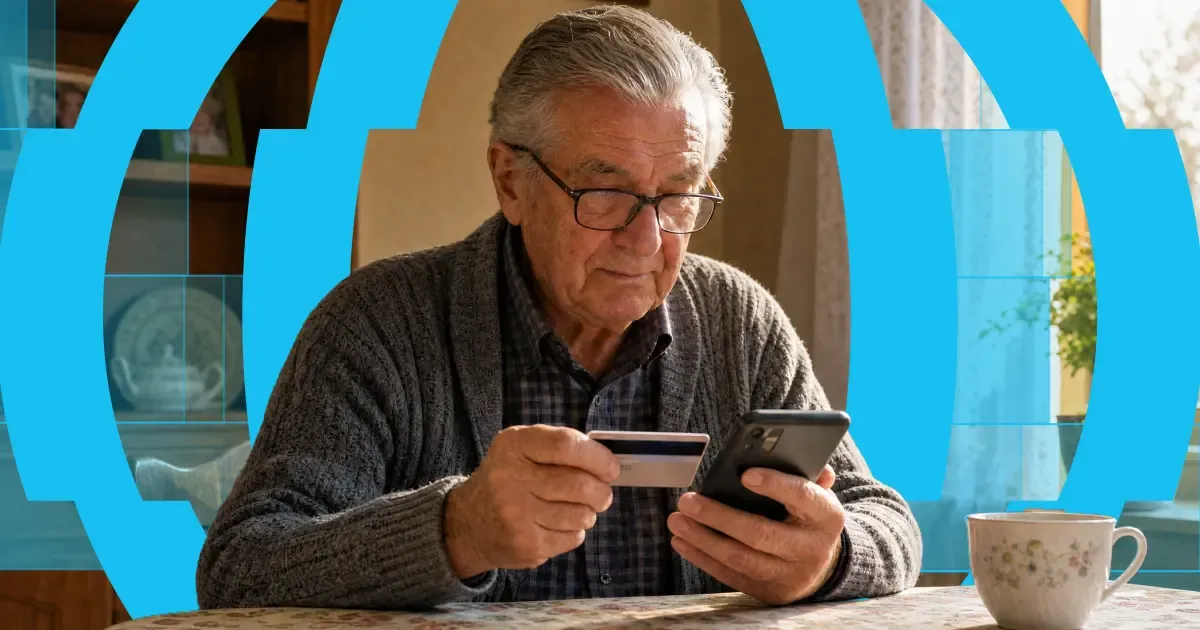
Here's the short answer: yes, you can use a credit card to get money into someone's bank account abroad. "Credit card to bank transfer" means exactly that — you fund the transfer with your credit card, and your recipient receives it in their bank account. Or on their card, in their wallet, or as cash to collect, depending on where they are.
The card and the bank account do different jobs. Your card pays for the transfer. A provider like Paysend then pays the money out through local systems on the other end. It's one flow, and it takes about a minute in the app.
One thing worth knowing before you start: a credit card is usually the most expensive way to fund a transfer. Some issuers treat it as a cash advance, and credit tends to carry higher payment fees than debit. You'll always see the full cost, exchange rate included, before you confirm anything. What follows is: the ways your money can arrive, what each one costs, how fast it gets there, and the cheaper routes worth checking first.

Every month, thousands of people working in the Czech Republic send part of their payday home — many of them Ukrainians supporting family across the border. And the traditional route makes it harder than it should be: bank wires that ask for IBANs and SWIFT codes, fees that only show up after the money's gone, and days of waiting while someone at home is counting on it.
Pavel Štich has spent years helping his readers solve exactly that. He's Co-Founder and Lead Financial Editor at Moneyo.cz, an independent Czech platform that compares money transfer services, stock brokers, and alternative investments — and a Paysend Ambassador, which means he tests what he recommends, explains it plainly, and brings his readers reader-only perks. We asked him how Moneyo started, who reads it, and why he chose Paysend.


