Everything you need to know about Paysend Business's Instant Card Transfers features

Instant card transfers have emerged as a game-changer for small and mid-sized businesses seeking to streamline payment processes. Traditionally, companies have had to navigate complex procedures and endure significant delays when transferring funds. However, with this cutting-edge innovation of instant transfers, how we make and receive payments has changed forever.
This innovative payment solution allows businesses to transfer funds seamlessly and instantaneously. By leveraging this unique technology, companies can make real-time transfers directly from their corporate accounts to their suppliers, vendors, employees or partners. This development has removed the need to provide detailed account information and experience a lengthy and costly verification procedure. Now freelancers, contractors and sole traders can get paid instantly, right to their bank account.
Benefits of instant card transfers
- Speedy: Instant Card Transfers usually arrive in seconds or minutes.
- Flexible: Instant transfers allow you to send to both cards, managing your money however you see fit.
- Convenient: Move funds 24/7, 365 days a year, whenever you choose.
- Secure: Two-part authentication ensures your transfers are safe and protected.
- User-friendly: Super straightforward, all at the click of a button.
How it works
- Go to Payouts > New > Amount & Recipient > Continue
- Enter full name & recipient’s card bank number
- The recipient will receive the funds instantly in their bank account
Instant card transfers are revolutionising the payment landscape for business operations all over the globe. Have the ability to manage your company's funds with far more accessibility, flexibility and transparency than ever before.
Get started today and benefit from Instant Card Transfers
Mga Pinakabagong Post
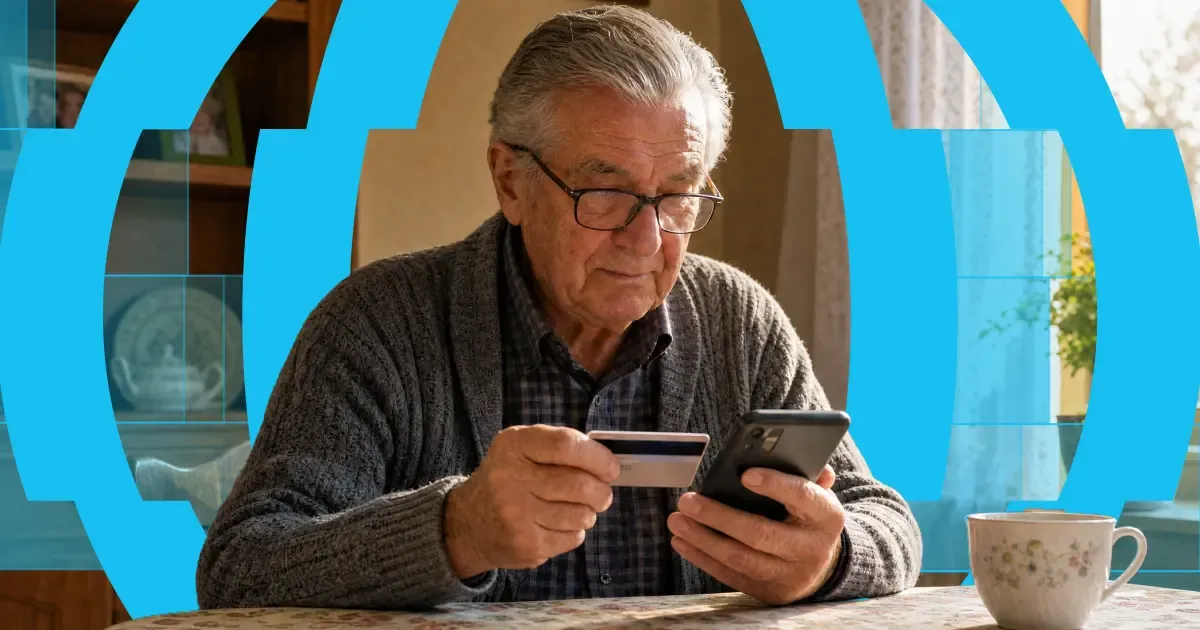
Here's the short answer: yes, you can use a credit card to get money into someone's bank account abroad. "Credit card to bank transfer" means exactly that — you fund the transfer with your credit card, and your recipient receives it in their bank account. Or on their card, in their wallet, or as cash to collect, depending on where they are.
The card and the bank account do different jobs. Your card pays for the transfer. A provider like Paysend then pays the money out through local systems on the other end. It's one flow, and it takes about a minute in the app.
One thing worth knowing before you start: a credit card is usually the most expensive way to fund a transfer. Some issuers treat it as a cash advance, and credit tends to carry higher payment fees than debit. You'll always see the full cost, exchange rate included, before you confirm anything. What follows is: the ways your money can arrive, what each one costs, how fast it gets there, and the cheaper routes worth checking first.

Every month, thousands of people working in the Czech Republic send part of their payday home — many of them Ukrainians supporting family across the border. And the traditional route makes it harder than it should be: bank wires that ask for IBANs and SWIFT codes, fees that only show up after the money's gone, and days of waiting while someone at home is counting on it.
Pavel Štich has spent years helping his readers solve exactly that. He's Co-Founder and Lead Financial Editor at Moneyo.cz, an independent Czech platform that compares money transfer services, stock brokers, and alternative investments — and a Paysend Ambassador, which means he tests what he recommends, explains it plainly, and brings his readers reader-only perks. We asked him how Moneyo started, who reads it, and why he chose Paysend.


