How Digital Payments Transform Enterprise Transactions

In a rapidly evolving landscape of business transactions, digital payment solutions have emerged as a game-changer, shifting how SMEs and large corporations manage their finances on a global scale. We want to delve deep into the transformative power of digital payments and explore how they have worked to unlock efficiency and streamline access, security, practice and process.
The Evolution of Payment Methods
In the past, enterprises have relied on checks, invoices and manual reconciliation, often drawn out and leading to delays, human error and large overheads. Technological advancement and digital applications have allowed for automation and centralising money management.
Enhanced Security and Fraud Prevention
Digital payments offer a higher level of security compared to traditional methods. Encryption protocols and multi-factor authentication with biometric verification have become general practice, significantly lowering the risk of fraud.
Instantaneity and Global Reach
One of the standout benefits of online payments is speed. Digital payments occurring in real time ensure swift and seamless transactions. Paysend Enterprise offers the ability to move money directly to cards avoiding costly and time-consuming processes.
This instantaneous nature is particularly advantageous for enterprises engaged in international trade, as it eliminates geographical barriers and reduces currency conversion complexities.
Efficiency in Reconciliation and Record-Keeping
Digital payment solutions offer automated reconciliation, reducing the need for manual intervention. Transaction records are digitally stored and easily accessible, simplifying audits and compliance procedures. This process reduces errors, which can be expensive to rectify.
Cost Savings and Resource Allocation
Eliminating the need for paper, printing, and postage reduces operational expenses. Additionally, the streamlined processes cut down on administrative workload, allowing resources that directly contribute to business growth.
Environmentally Friendly Practices
By adopting digital payments, enterprises contribute to sustainability efforts by reducing paper consumption and waste generation. Embracing eco-friendly practices enhance a company's corporate social responsibility (CSR) image, resonating positively with customers and stakeholders.
Adapting to Consumer Preferences
As the business landscape becomes increasingly digital, consumer expectations are also changing. Customers now prefer convenient and secure payment options. Enterprises that adopt digital payment solutions cater to these evolving preferences, enhancing customer satisfaction and loyalty.
Challenges and Considerations
With the integration of digital payments, enterprises can now look to optimise their transaction processes. The efficiencies gained from enhanced security and speed to reduced costs and improved customer satisfaction position digital payments as a transformative force in the corporate world. By embracing this evolution, enterprises contribute to a more sustainable and digitally-driven economy.
Incorporating digital payment solutions is no longer just an option; it's a strategic imperative for enterprises seeking to thrive in a dynamic and competitive business environment. Embrace the revolution – unlock efficiency with Paysend Enterprise today.
Boost your international payments with Paysend Enterprise.
Mga Pinakabagong Post
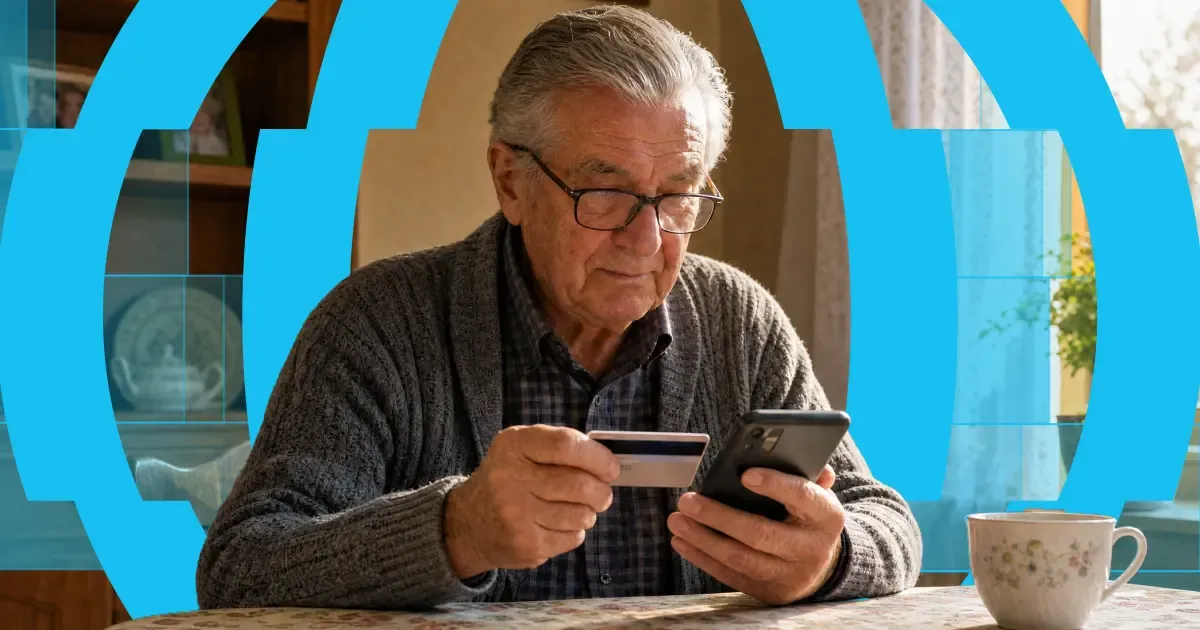
Here's the short answer: yes, you can use a credit card to get money into someone's bank account abroad. "Credit card to bank transfer" means exactly that — you fund the transfer with your credit card, and your recipient receives it in their bank account. Or on their card, in their wallet, or as cash to collect, depending on where they are.
The card and the bank account do different jobs. Your card pays for the transfer. A provider like Paysend then pays the money out through local systems on the other end. It's one flow, and it takes about a minute in the app.
One thing worth knowing before you start: a credit card is usually the most expensive way to fund a transfer. Some issuers treat it as a cash advance, and credit tends to carry higher payment fees than debit. You'll always see the full cost, exchange rate included, before you confirm anything. What follows is: the ways your money can arrive, what each one costs, how fast it gets there, and the cheaper routes worth checking first.

Every month, thousands of people working in the Czech Republic send part of their payday home — many of them Ukrainians supporting family across the border. And the traditional route makes it harder than it should be: bank wires that ask for IBANs and SWIFT codes, fees that only show up after the money's gone, and days of waiting while someone at home is counting on it.
Pavel Štich has spent years helping his readers solve exactly that. He's Co-Founder and Lead Financial Editor at Moneyo.cz, an independent Czech platform that compares money transfer services, stock brokers, and alternative investments — and a Paysend Ambassador, which means he tests what he recommends, explains it plainly, and brings his readers reader-only perks. We asked him how Moneyo started, who reads it, and why he chose Paysend.


