Improved transfer speed to the Philippines with Paysend

We’re always working to make sending money to your loved ones fast, secure and easy. That’s why we’re pleased to share an important update: transfers of up to ₱50,000 to the Philippines are now delivered within seconds*
*Your money will be sent in real time; however, transfer delivery times may vary based on recipient bank processing, compliance checks, or other factors.
What’s changed?
Thanks to an upgrade with our network partner Asia United Bank (AUB), transfers of up to ₱50,000 sent to the Philippines from Paysend-supported countries are now processed through InstaPay rails. This means funds move more smoothly across the network, so your recipient can receive them in near real time.
What this means for you
Your family and friends won’t have to wait long to access the money you send. Transfers are processed on modernized rails that improve speed and consistency, giving you and your loved ones greater peace of mind. You don’t need to change a thing – simply send as normal in the Paysend app or on the website.
Why this matters
We know that timing is everything when it comes to supporting loved ones back home. Whether it’s for tuition fees, household expenses, or unexpected needs, this update means your help arrives more quickly than before.
How to send money to the Philippines
Sending an international money transfer with Paysend is simple. Whether you’re supporting family, paying tuition, or helping with everyday costs, you can complete an online money transfer in just a few steps:
- Download the Paysend app or go to paysend.com.
- Sign up or log in to your account.
- Select the Philippines as your recipient country
- Enter your recipient’s details and preferred delivery option (card, bank account, or wallet).
- Confirm and send.
With Paysend, you always see the fees and exchange rates upfront. This transparency helps ensure more of your money reaches your loved ones without hidden charges.
Start your next transfer
Sending money to the Philippines has never been so easy. Log in to your Paysend account, enter your transfer details, and experience the improved speed for yourself.
Please note: While most transfers are now received within minutes, delivery times can still vary based on the recipient’s bank processing, compliance checks, or other local conditions.
The educational materials on this site are provided for informational purposes only and do not reflect the opinions of Central Bank of Kansas City, Member FDIC. Educational materials may contain links to content on third-party websites which are provided for your convenience; please note that linked sites may have a privacy and security policy different from our own, and we cannot attest to the accuracy of information. The Central Bank of Kansas City does not guarantee nor expressly endorse any particular business, product, service, or third-party content.
Mga Pinakabagong Post
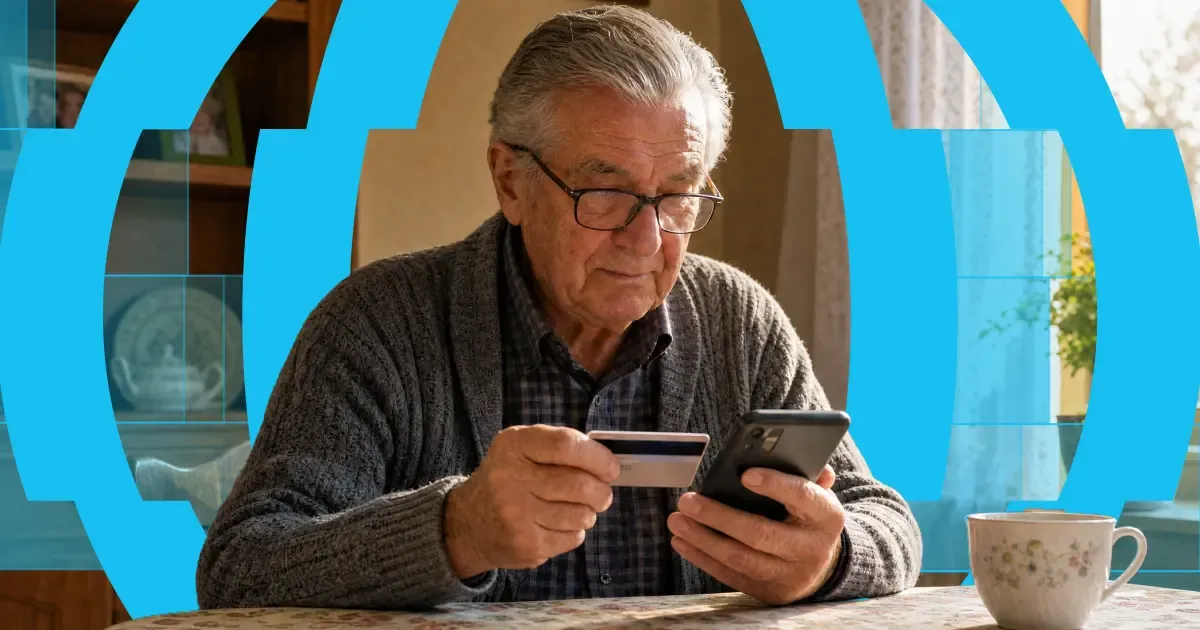
Here's the short answer: yes, you can use a credit card to get money into someone's bank account abroad. "Credit card to bank transfer" means exactly that — you fund the transfer with your credit card, and your recipient receives it in their bank account. Or on their card, in their wallet, or as cash to collect, depending on where they are.
The card and the bank account do different jobs. Your card pays for the transfer. A provider like Paysend then pays the money out through local systems on the other end. It's one flow, and it takes about a minute in the app.
One thing worth knowing before you start: a credit card is usually the most expensive way to fund a transfer. Some issuers treat it as a cash advance, and credit tends to carry higher payment fees than debit. You'll always see the full cost, exchange rate included, before you confirm anything. What follows is: the ways your money can arrive, what each one costs, how fast it gets there, and the cheaper routes worth checking first.

Every month, thousands of people working in the Czech Republic send part of their payday home — many of them Ukrainians supporting family across the border. And the traditional route makes it harder than it should be: bank wires that ask for IBANs and SWIFT codes, fees that only show up after the money's gone, and days of waiting while someone at home is counting on it.
Pavel Štich has spent years helping his readers solve exactly that. He's Co-Founder and Lead Financial Editor at Moneyo.cz, an independent Czech platform that compares money transfer services, stock brokers, and alternative investments — and a Paysend Ambassador, which means he tests what he recommends, explains it plainly, and brings his readers reader-only perks. We asked him how Moneyo started, who reads it, and why he chose Paysend.


