How Remittances Stabilize Economies and Support Families in 2026
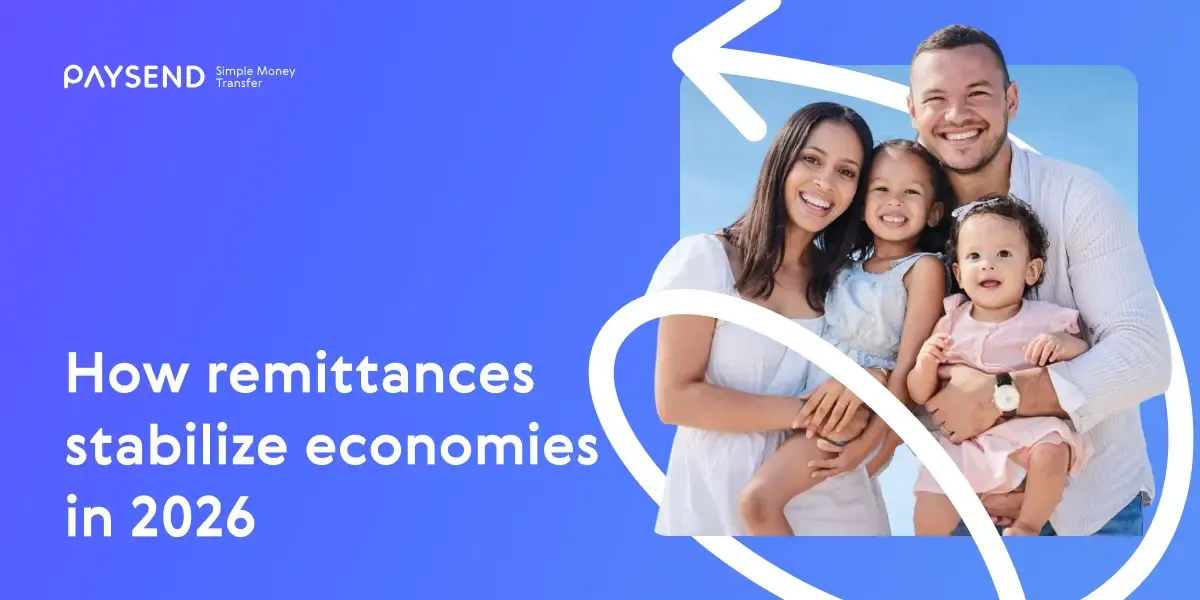
In 2026, remittances aren’t just a financial transaction — they’re a lifeline. For millions of families in emerging economies, money sent from abroad provides the foundation for daily survival, future planning, and economic stability when it matters most.
In many countries, remittances make up a significant share of national income. For example, in countries like Tajikistan, Tonga, and Nicaragua, money from abroad accounted for over 25 percent of GDP in 2024 — underscoring just how deeply intertwined global labor mobility is with local economic stability. migrationpolicy.org
Real Impacts on Households:
Families use remittances for essential needs like food, housing, healthcare, and education. Studies show that in many places, the vast majority of remittance money goes toward basic consumption — acting as an automatic buffer against inflation, crisis, and market shocks. This isn’t charity — it’s essential economic support built into the daily lives of millions. migrationpolicy.org
Paysend’s Role in Supporting Resilience:
In this landscape, Paysend plays a crucial role by offering fast, transparent, and cost-effective transfers that help families and communities get the money they need when they need it most.
With global remittances continuing to grow and evolve, digital platforms like Paysend are helping keep more money in the hands of senders and recipients. Low fees, clear pricing, and fast delivery all contribute to stronger financial resilience for families and economies alike.
And sending money doesn’t have to feel like a chore! Paysend also brings you seasonal promotions, giveaways, and tips for sending smarter. Follow us on Instagram @paysend for inspiration, money-saving advice, and ways to make every transfer count.
The educational materials on this site are provided for informational purposes only and do not reflect the opinions of Central Bank of Kansas City, Member FDIC. Educational materials may contain links to content on third-party websites which are provided for your convenience; please note that linked sites may have a privacy and security policy different from our own, and we cannot attest to the accuracy of information. The Central Bank of Kansas City does not guarantee nor expressly endorse any particular business, product, service, or third-party content.
Mga Pinakabagong Post
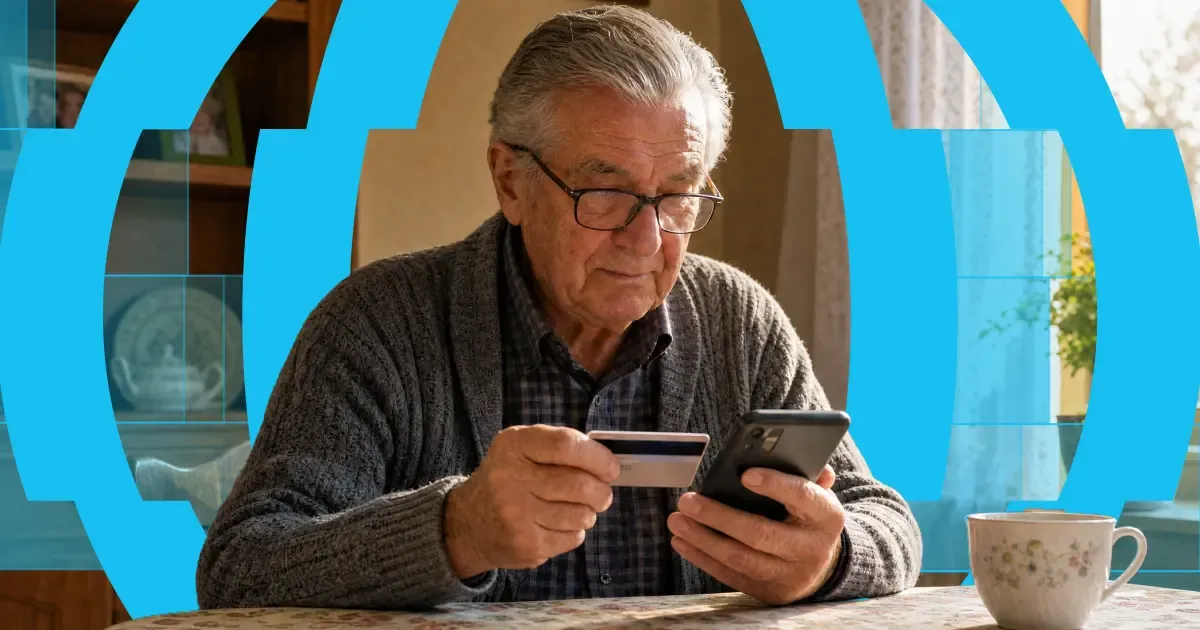
Here's the short answer: yes, you can use a credit card to get money into someone's bank account abroad. "Credit card to bank transfer" means exactly that — you fund the transfer with your credit card, and your recipient receives it in their bank account. Or on their card, in their wallet, or as cash to collect, depending on where they are.
The card and the bank account do different jobs. Your card pays for the transfer. A provider like Paysend then pays the money out through local systems on the other end. It's one flow, and it takes about a minute in the app.
One thing worth knowing before you start: a credit card is usually the most expensive way to fund a transfer. Some issuers treat it as a cash advance, and credit tends to carry higher payment fees than debit. You'll always see the full cost, exchange rate included, before you confirm anything. What follows is: the ways your money can arrive, what each one costs, how fast it gets there, and the cheaper routes worth checking first.

Every month, thousands of people working in the Czech Republic send part of their payday home — many of them Ukrainians supporting family across the border. And the traditional route makes it harder than it should be: bank wires that ask for IBANs and SWIFT codes, fees that only show up after the money's gone, and days of waiting while someone at home is counting on it.
Pavel Štich has spent years helping his readers solve exactly that. He's Co-Founder and Lead Financial Editor at Moneyo.cz, an independent Czech platform that compares money transfer services, stock brokers, and alternative investments — and a Paysend Ambassador, which means he tests what he recommends, explains it plainly, and brings his readers reader-only perks. We asked him how Moneyo started, who reads it, and why he chose Paysend.


